24/7 Pest Control in the UAE

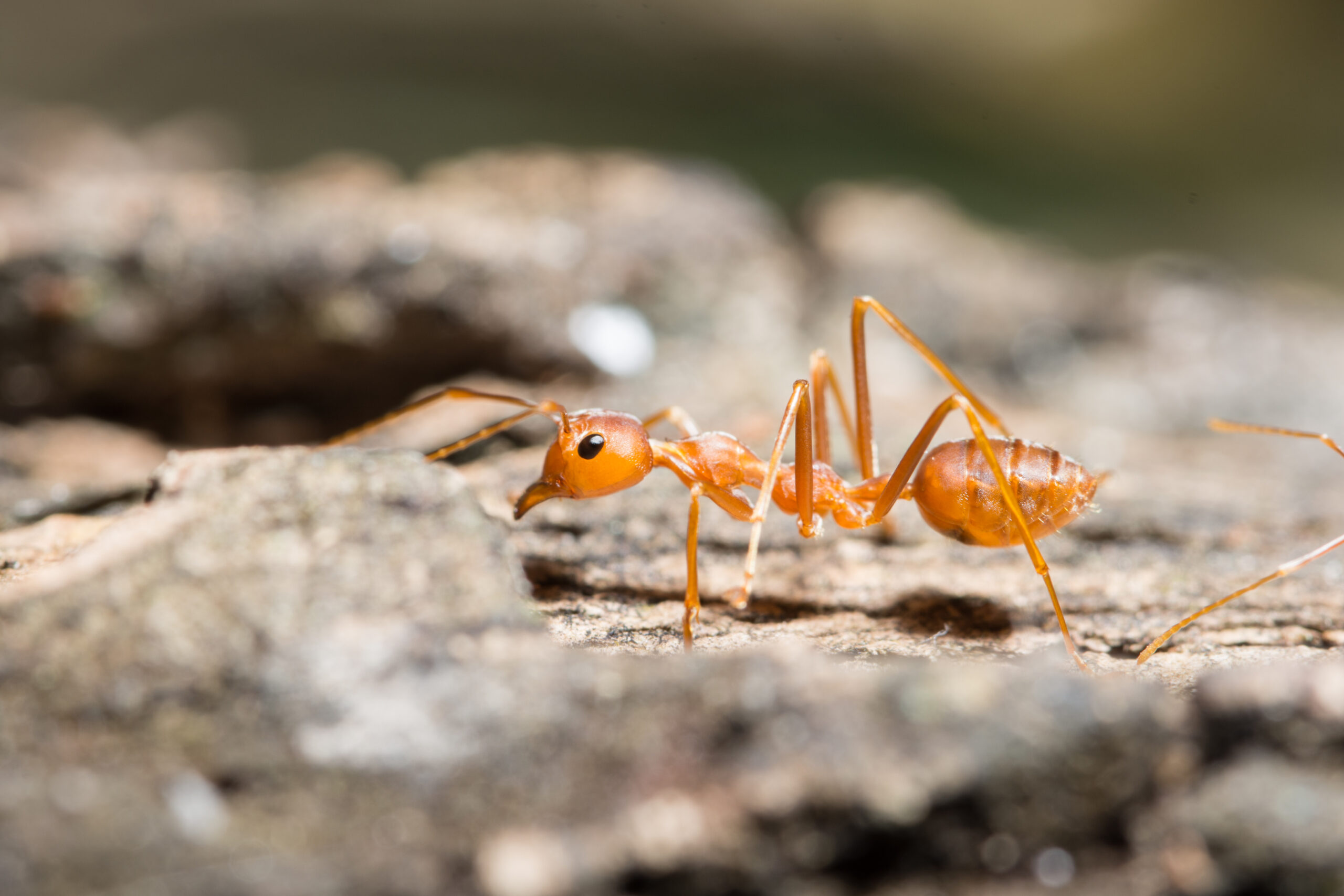




Sugar-eating ants keep returning because the colony — not the trail — is the problem, and sweet residue in Dubai kitchens keeps drawing them. Spraying often makes Pharaoh and Ghost Ants split into new colonies. Santera uses colony-targeted baits the workers carry back to the queen, eliminating the whole nest.
Tiny bathroom ants — often Ghost or Pharaoh Ants — follow moisture and plumbing lines, nesting in damp wall voids. Spraying scatters them and can split the colony. Santera fixes this by tracing the trail, baiting the colony at source, and advising on the moisture conditions drawing them in.
Ants enter cars chasing food crumbs and spills, nesting in upholstery, vents, and gaps. Remove all food, vacuum thoroughly, and clean sticky residue. If they persist, the source is usually a nest nearby; Santera can identify and treat the colony at your property so the cars stop being a target.
Home remedies like vinegar or boric acid baits offer limited, short-term results and rarely reach the colony, and with species like Pharaoh Ants they can make things worse. Santera prioritises low-odour, targeted treatments that are effective and responsible, reaching the colony where natural DIY methods fall short.
Sugar-eating ants such as Pharaoh and Ghost Ants are drawn to sweet residue and open food in Dubai kitchens, and they're hard to control because spraying makes the colony split into several new ones. The real fix is colony-targeted baiting carried back to the queen — exactly how Santera's certified specialists eliminate them at source.
No — disturbing a nest can make ants spread or form multiple new colonies, worsening the problem, and many species have several queens, so relocation rarely solves it. If a nest is near your home, inside walls, or poses a sting risk, professional colony-targeted treatment is the safest, most effective solution.