24/7 Pest Control in the UAE

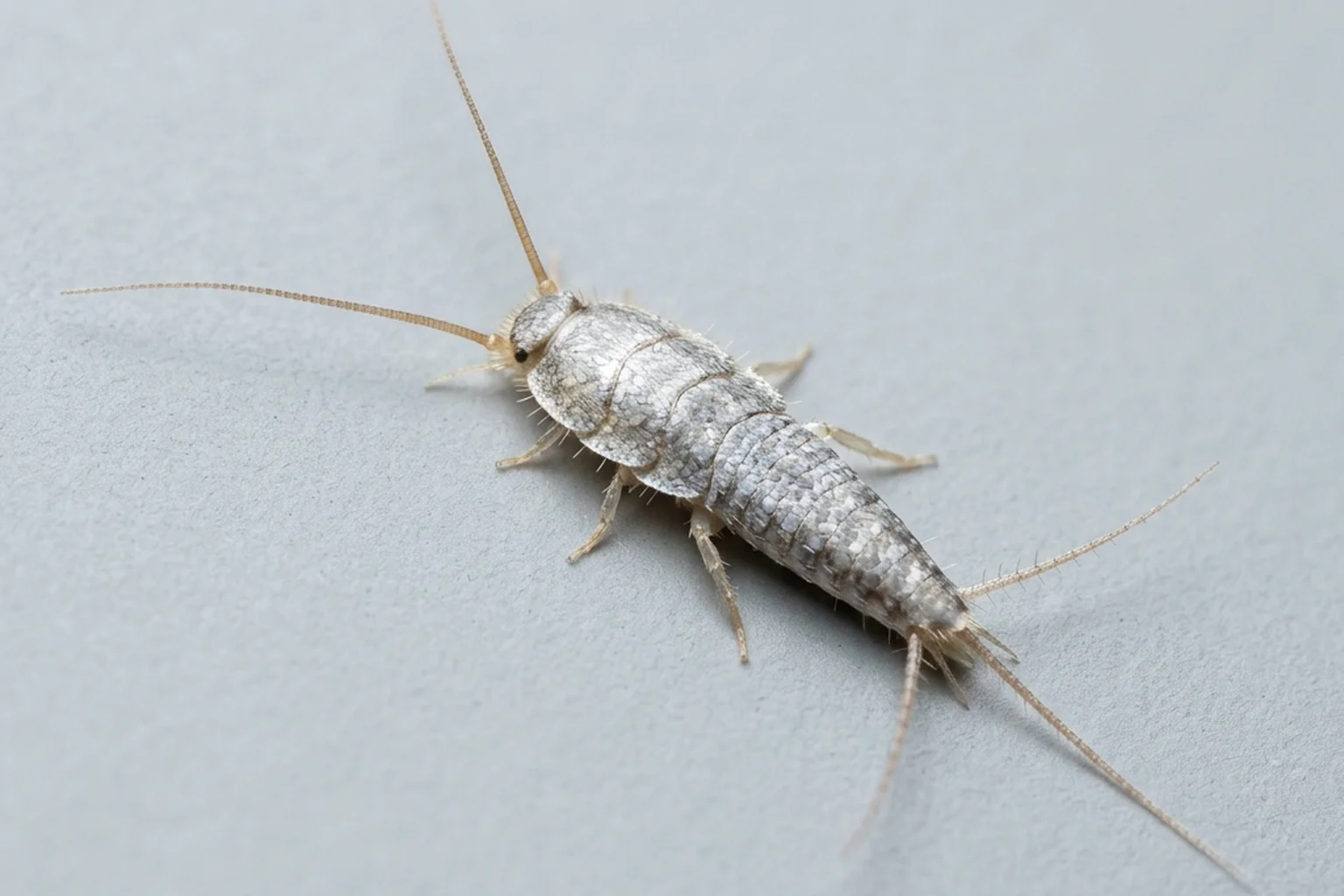
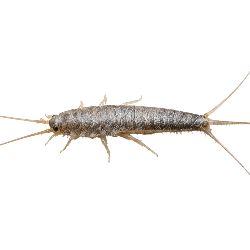
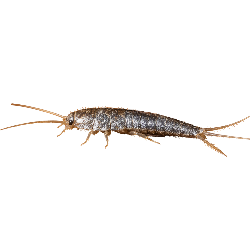
Silverfish are primitive, wingless, carrot-shaped insects covered in delicate, silvery-grey scales, featuring long antennae and three distinctive tail-like appendages (cerci) at the rear, but in Dubai you are highly likely to encounter two major species: the moisture-dependent, classic silver-blue insect (Common Silverfish, 10–12mm) and the larger, darker, and more dry-tolerant grey insect (Grey Silverfish, 12–15mm). Their characteristic side-to-side, fish-like wiggling scurrying movements when disturbed are key identifiers. Correct species identification is the absolute first step to effective control—because standard moisture-loving Common Silverfish are solved through restroom plumbing ventilation, whereas wall-void dwelling Grey Silverfish require specialized structural wall void pesticide injection and extensive paper storage de-humidification.
How Santera Help Get Rid Of Silverfish
Silverfish infestations in Dubai villas, walk-in closets, and home archives escalate silently—these nocturnal pests feed on carbohydrates and starches found in book bindings, wallpapers, plasterboard, and expensive fabrics, chewing unsightly holes and staining surfaces. DIY spray treatments and supermarket mothballs are highly ineffective; they only kill a few visible insects while leaving thousands of active eggs and nymphs nesting safely inside dark wall voids, hollow skirting boards, and false ceilings.
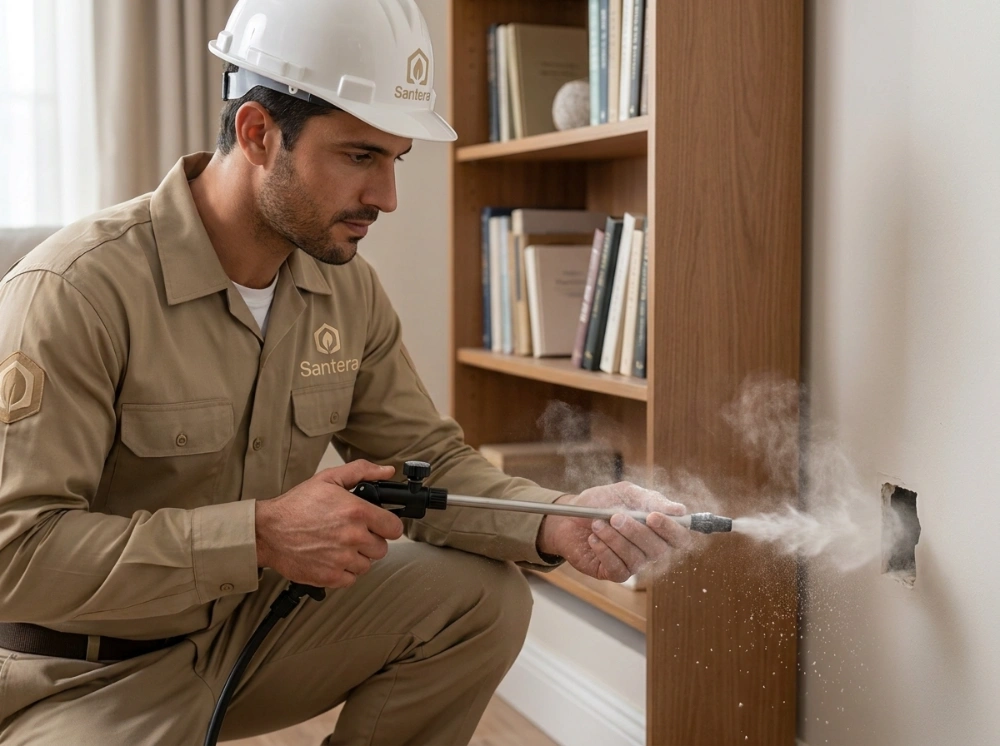
Santera's Dubai Municipality-licensed technicians deliver targeted, high-performance silverfish eradication protocols. We perform deep structural inspections of warm, humid harborages like bathroom cabinets, laundry voids, and wallpaper linings. We treat active wall voids using specialized dry insecticidal dusts that float into structural gaps, combined with premium micro-encapsulated liquid residuals along skirting boards and under sinks. For high-value home libraries, archives, and luxury residential estates across Dubai, all treatments are supported by comprehensive humidity advice and structural sealing to prevent re-entry.
Professional analysis and scientific facts about the pests that matter. Explore our deep-dive resources to stay informed and one step ahead of infestations

Yes, high humidity from poorly ventilated bathrooms, AC condensation leaks, or bathroom drains is a primary attractant and breeding catalyst for the Common Silverfish, which requires high humidity to survive.
Because DIY sprays only kill the few insects they touch directly on contact, while failing to reach the massive populations and egg clusters nesting deep inside hollow drywall partitions, behind baseboards, and under carpet edges.
Two major species are commonly encountered in residential and commercial spaces: the Common Silverfish (Lepisma saccharina) and the Grey Silverfish (Ctenolepisma longicaudata).
Silverfish are incredibly resilient parasites that can survive for over 300 days (nearly a year) without eating, as long as they have access to moisture, making prompt professional treatment essential.
The Common Silverfish is smaller, has a metallic silver color, and requires very high humidity, whereas the Grey Silverfish is larger, darker grey, and can survive in much drier indoor environments, frequently nesting inside gypsum drywall voids.
Silverfish feed on starches, sugars, and cellulose, which are highly abundant in household wallpapers, book binding adhesives, cardboard, paper files, flour, sugar, and natural fabrics like cotton and silk.