24/7 Pest Control in the UAE

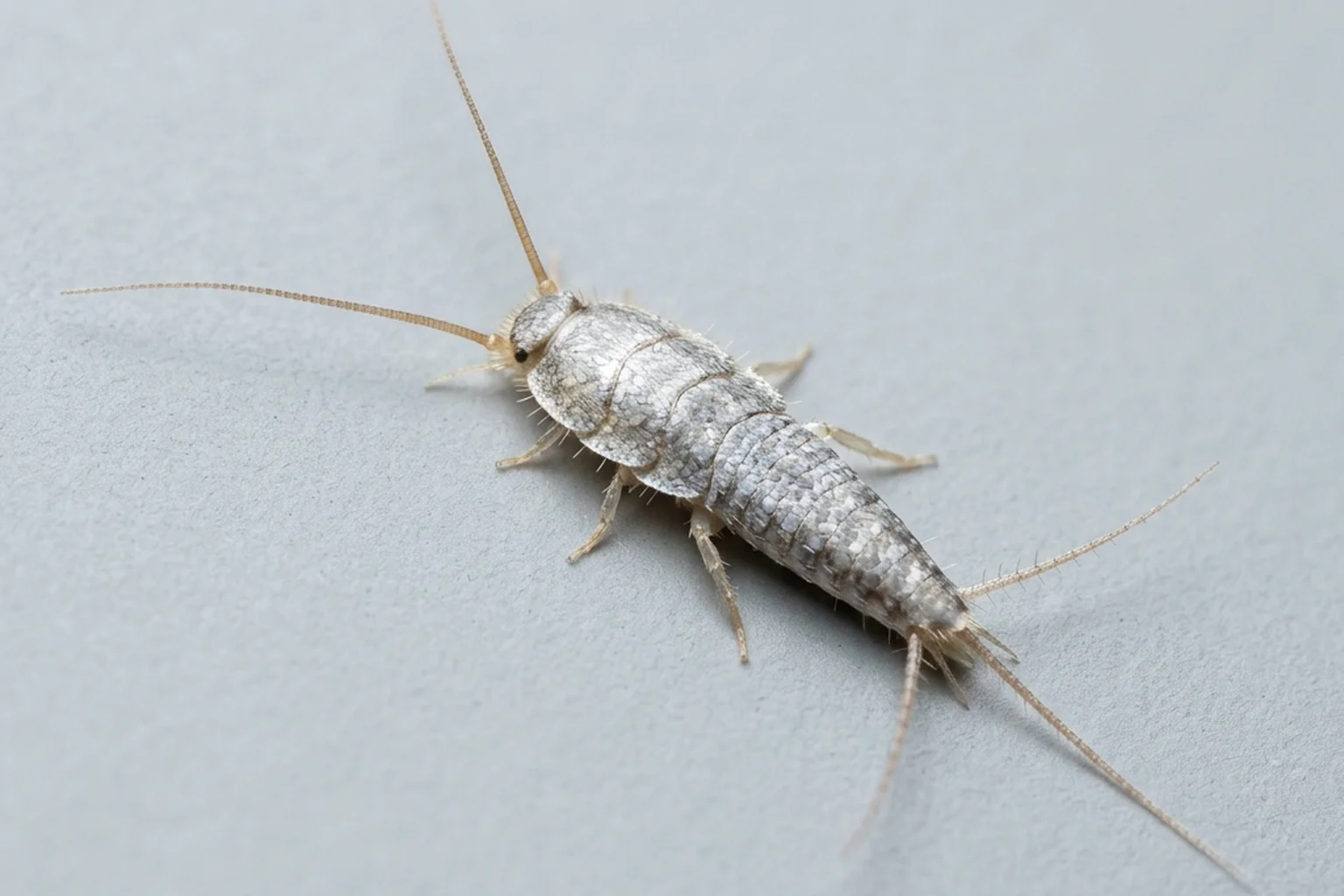



Fixing leaks and improving ventilation is essential and will reduce them, but an established population already in harbourage usually persists, and the Grey Silverfish tolerates drier conditions. Santera treats the existing infestation while you correct the moisture, so the two together deliver a lasting fix.
Yes — these are prime spots because of the humidity and moisture silverfish need, along with access to starchy materials. Around plumbing, sinks, and damp cupboards is where they thrive. Santera treats these areas and addresses the moisture, since reducing humidity is central to keeping them away.
Reducing humidity, decluttering paper and cardboard, and sealing storage help and should be part of any plan, but natural methods rarely reach the harbourage where silverfish breed. Santera combines targeted treatment with moisture and storage management for a result that protects your documents and textiles long term.
Yes — this is their main impact. Silverfish feed on paper, book bindings, photographs, wallpaper, and natural fibres, damaging documents, archives, and stored clothing. Valuable or irreplaceable items are at real risk, which is why Santera prioritises protecting papers and textiles in both treatment and storage advice.
Not necessarily — silverfish are drawn by humidity and starchy materials like paper and fabrics, not by dirt, so even a clean home with damp conditions can have them. The real driver is moisture, which is why Santera focuses on humidity control alongside treatment.
Silverfish are nocturnal, hiding in dark, humid cracks by day to avoid light and predators, and emerging at night to feed on starchy materials. That's why they're often spotted when you switch on a bathroom or kitchen light. Their hiding habits are exactly what Santera's harbourage treatment targets.