24/7 Pest Control in the UAE




Yes — Santera installs and services professional fly-control units like insect light traps, which continuously capture flies far more effectively than a swatter and support hygiene compliance in food premises. But traps manage adults; lasting control still requires eliminating the breeding source, which we also treat.
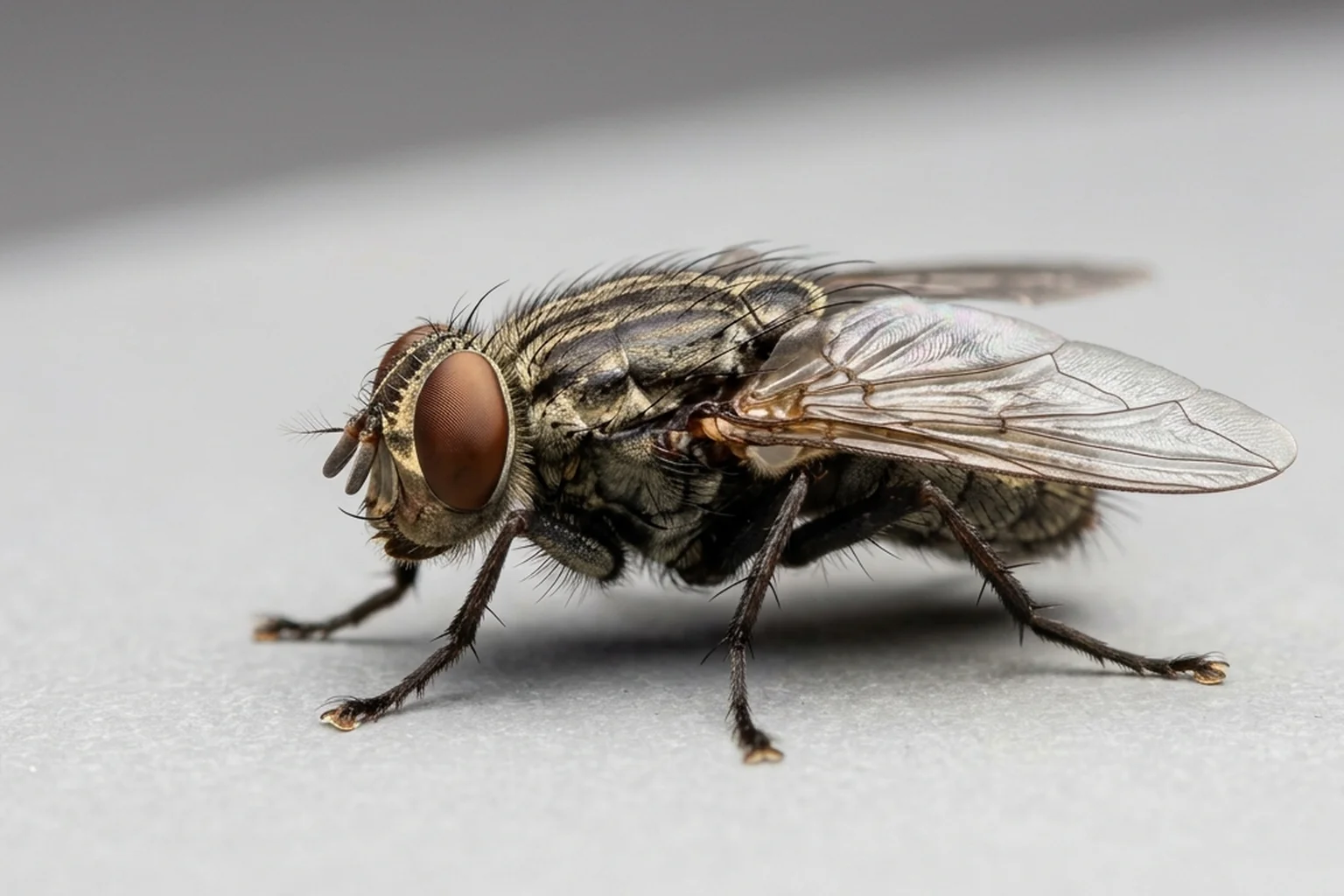
Santera's specialists identify the species by appearance and behaviour — drain flies rest near drains, fruit flies swarm produce and bins, phorid flies scuttle rather than fly, blue bottles are large and metallic. Correct identification points us to the right breeding source and the right treatment.
Because surface cleaning misses the hidden breeding source — a drain biofilm, a neglected bin, or organic sludge under equipment — where larvae keep developing. Until that source is found and treated, flies return. Santera traces the source and manages it, which cleaning alone can't.
Absolutely — kitchens, dark kitchens, and food outlets offer ideal breeding in waste, drains, and organic residue, and flies there are a serious contamination and Dubai Municipality compliance risk. Santera delivers HACCP-aligned fly management that targets breeding sources and documents the work for audits.
Yes — flies lay eggs in moist organic matter indoors: bins, food waste, drains, and decaying residue under equipment. The larvae develop there, so an indoor breeding source sustains the problem. Santera locates and treats these sources rather than just controlling the adults you see.
Yes — drain flies and phorid flies breed in the organic film and sludge inside drains, grease traps, and sumps, which is why they keep appearing despite surface cleaning. Pouring bleach won't remove that film. Santera treats the drains to clear the breeding layer, stopping them at source.