24/7 Pest Control in the UAE

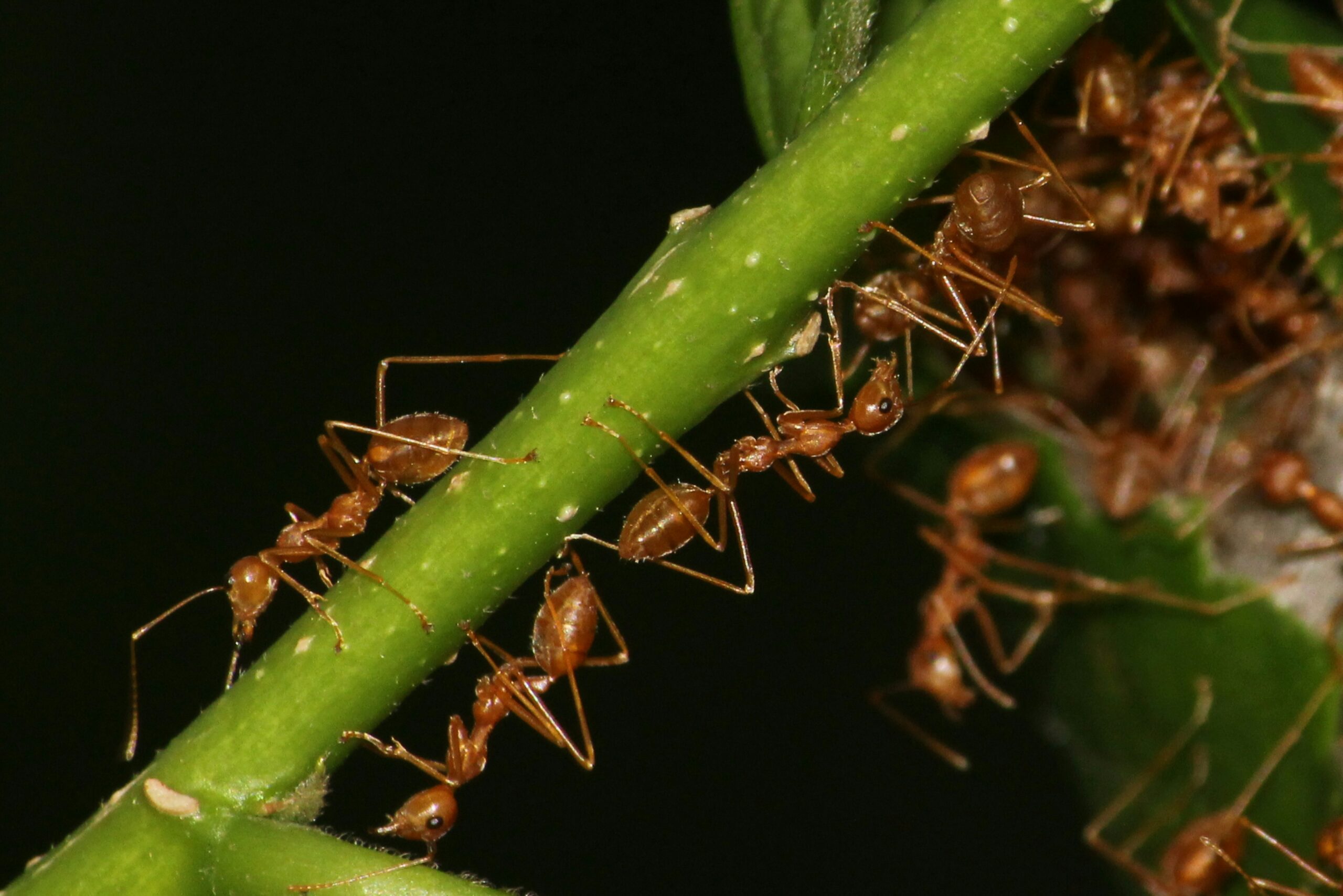
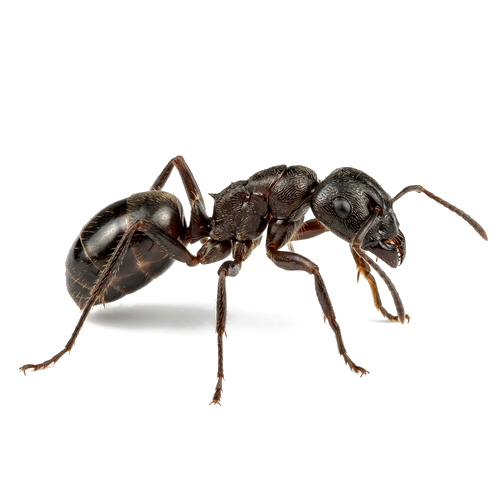
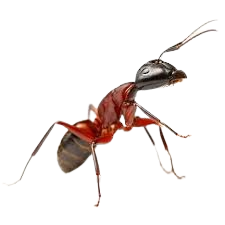
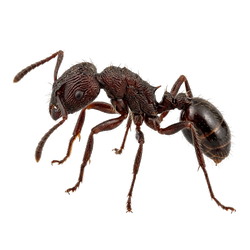
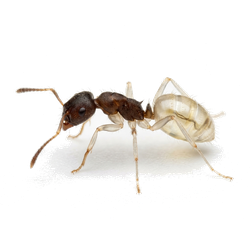
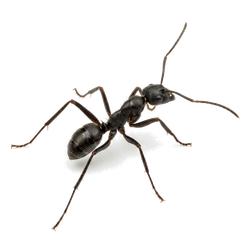
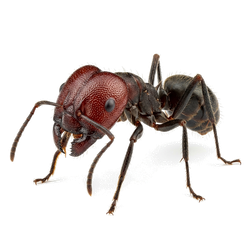
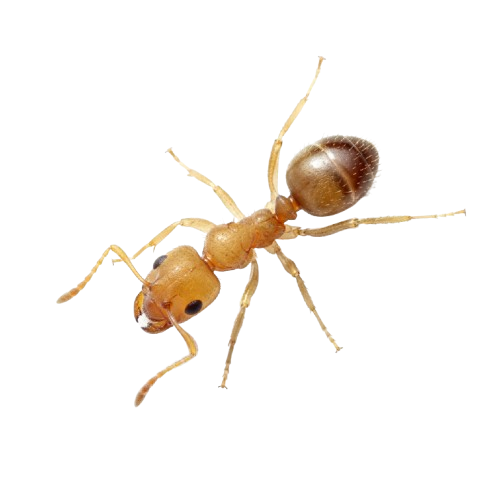
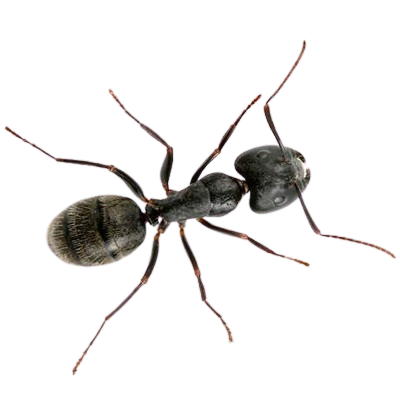
Ants are small insects with a clearly defined body structure that makes them easy to identify. Their bodies are divided into three main parts: the head, thorax, and abdomen, with a narrow, pinched waist separating the thorax from the abdomen. They have six legs attached to the thorax and distinctive elbowed antennae that help them sense their surroundings. Ants vary in size depending on the species, typically ranging from very tiny to a few millimeters long, and they can appear in colors such as black, brown, red, or yellow. Some ants, especially during certain seasons, may develop wings for reproduction, and they are often seen traveling in organized lines or trails as they search for food.

How Santera Helps Get Rid Of Ants
Ant infestations can quickly get out of hand, as these tiny insects enter homes in search of food, water and shelter. At Santera, we use advanced pest control techniques to completely eliminate ants from your property and prevent them from coming back. Our experts start by identifying the ant species and locating their entry points and nesting areas. We then apply safe, eco-friendly treatments that target both visible ants and hidden colonies.
Our professional methods ensure long-term protection by addressing the root cause of the infestation. Contact us today.
Professional analysis and scientific facts about the pests that matter. Explore our deep-dive resources to stay informed and one step ahead of infestations

Professional pest control is best. Santera uses species-specific methods—like baiting, sealing entry points, and moisture control—for complete and lasting removal.
No. Different species have unique nesting habits, diets, and behaviors. Identifying the species is key to effective pest control.
Ants seek food, water, and shelter. Warm, humid conditions and open food sources attract them indoors, especially during summer.
If the nest or colony isn’t destroyed, ants will continue to return. Regular cleaning helps, but identifying and eliminating the colony source is essential.
Carpenter ants don’t eat wood but hollow it out to build nests, which can weaken furniture or wall structures over time.
Yes. Some species contaminate food, trigger allergies, or spread bacteria from dirty surfaces to kitchen counters and storage areas.