24/7 Pest Control in the UAE

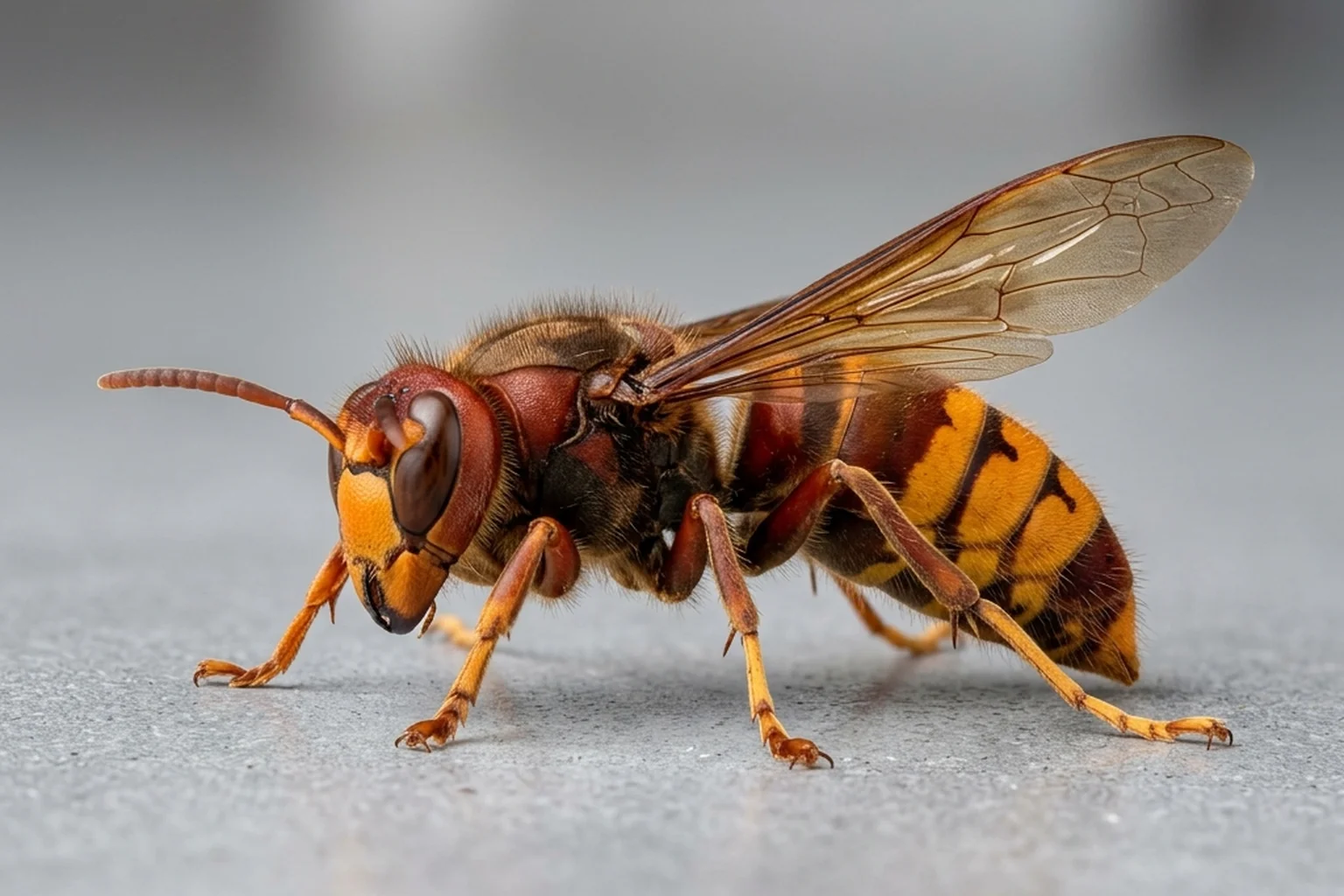




Before the warm season, seal cavities, wall gaps, eaves, and openings, keep outdoor food and sweet waste managed, and clear fallen fruit. Treating previous nest sites helps too, as they hold scent. Santera can proof likely cavities and advise on prevention so nests don't return.
That's normal and temporary — foragers that were away from the nest during treatment return to find it treated, and their activity drops off within a day or two as the colony is neutralised. Santera explains what to expect, and we follow up if activity continues.
Not necessarily — a few visible insects can come from a large concealed nest, and DIY removal is exactly when serious multiple-sting incidents happen, especially with the Oriental Hornet. Never attempt it. Santera locates the full nest and removes it safely with protective equipment.
Nests are smaller and easier to treat early in the warm season, but any active nest near people warrants prompt treatment whenever it's found, as colonies grow and the sting risk rises through the season. Santera responds quickly and treats at the safest time of day.
Blocking the entry traps the colony, which often chews a new exit — sometimes into your living space — and provokes aggressive, defensive stinging. It also leaves the nest to rot and attract other pests. Santera treats and removes the nest properly, then seals the cavity safely.
Signs include steady insect traffic to and from one point — under eaves, in a wall cavity, roof space, or the ground — and increasing numbers in one area. If you see this, don't investigate closely. Santera locates concealed nests safely and confirms before treating.