24/7 Pest Control in the UAE




If any eggs or bugs survive, or they're reintroduced via luggage or furniture, yes — which is why Santera's combined heat and residual treatment targets every life stage and we follow up to confirm. With our guarantee, we return and re-treat if covered activity reappears.
No — bed bugs can survive months without feeding, so an empty room stays infested and they're ready to feed when you return, or they spread to neighbouring units. Moving out also risks carrying them with you. The only reliable solution is proper treatment of every harbourage point.
Santera provides clear preparation guidance — typically laundering and bagging bedding and affected clothing, reducing clutter, and ensuring access to beds and furniture — so treatment reaches every harbourage point. Don't spray or move items between rooms beforehand, as that spreads the infestation. We'll walk you through the exact steps.
Keep luggage off beds and floors — use a luggage rack — and inspect the mattress seams, headboard, and nearby furniture for dark spots or live bugs. On returning, unpack away from the bedroom and wash clothes hot. These habits stop bed bugs hitchhiking home, the most common way infestations start.
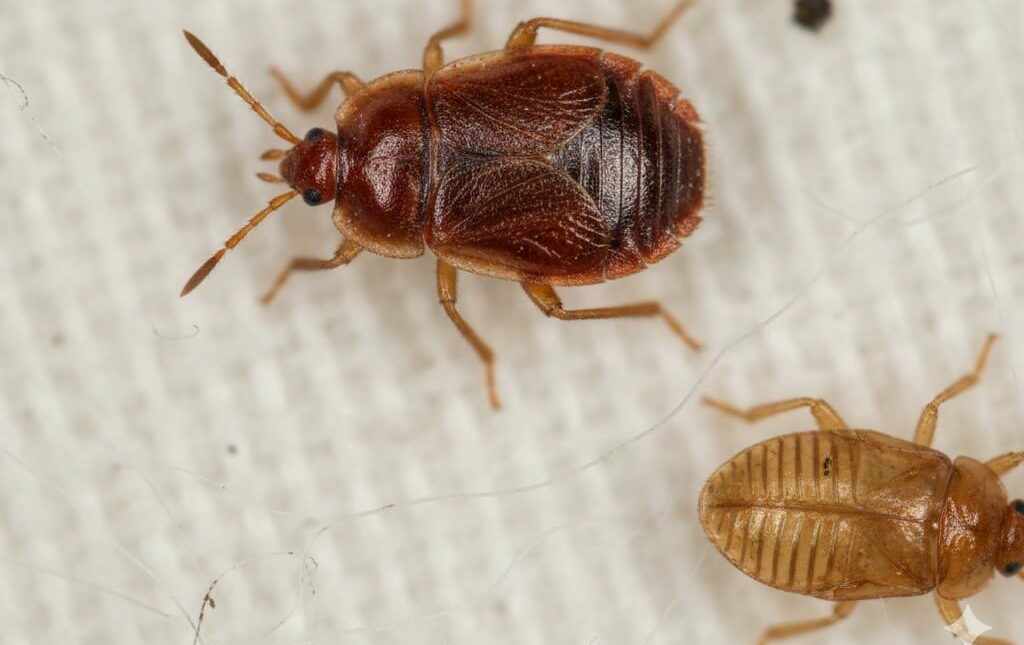
Yes — adults are about the size of an apple seed, flat, oval, and reddish-brown, so they're visible, but they hide in tight cracks and the eggs and young are tiny and pale. They're easy to miss, which is why a professional inspection is the reliable way to confirm an infestation.
No. While beds are a favourite, bed bugs hide anywhere near where people sleep or sit — headboards, bed frames, skirting, furniture joints, cracks, and even behind wall fittings — and spread between rooms and units. That's why treating just the mattress fails; Santera treats the whole room.