24/7 Pest Control in the UAE

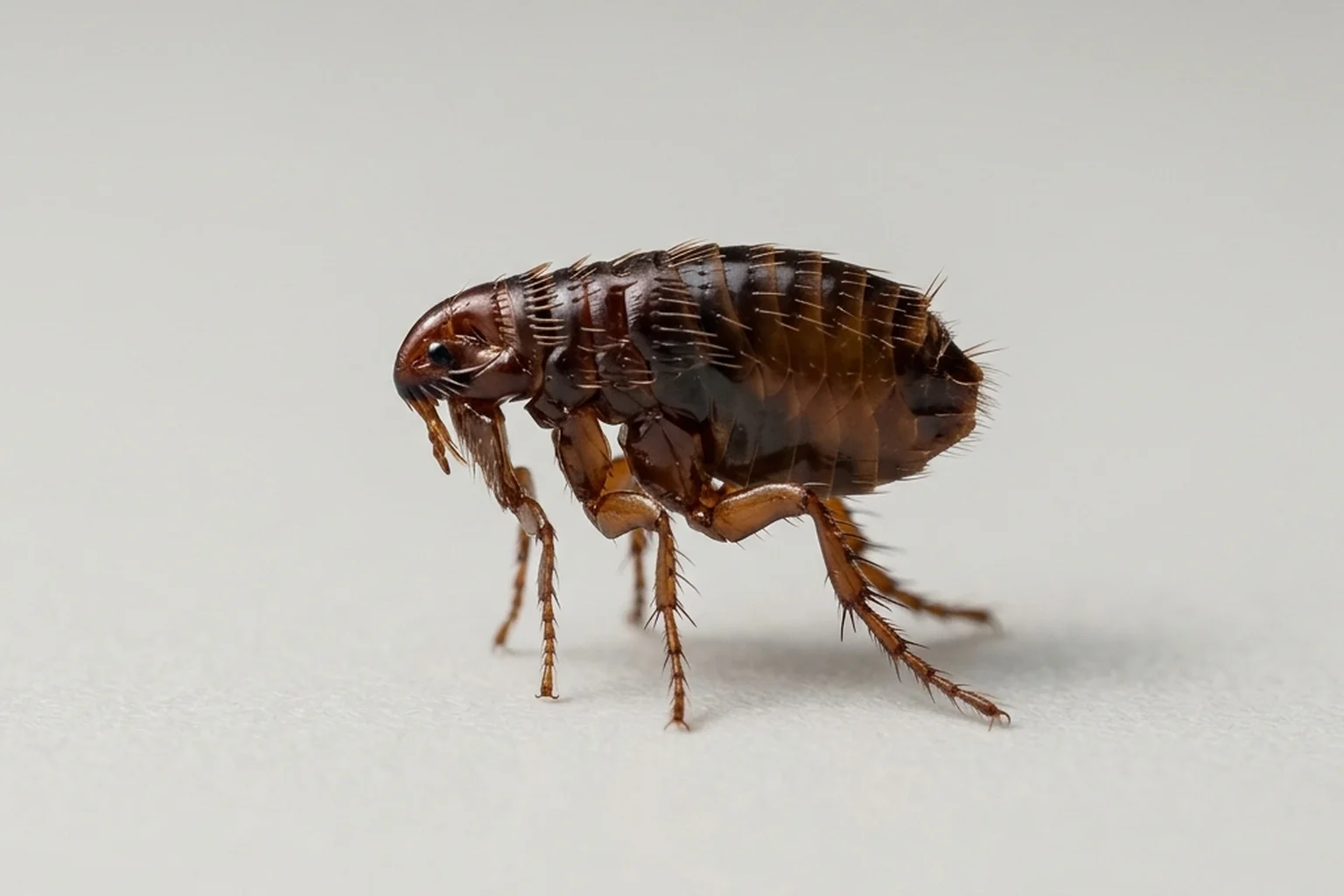



Daily vacuuming of carpets, rugs, furniture, and floor crevices helps remove eggs and larvae and stimulates dormant pupae to emerge so treatment reaches them — then dispose of the vacuum contents. Vacuuming supports the treatment, but Santera's environmental treatment is what breaks the cycle.
Vacuuming and washing bedding help reduce numbers and should be part of any plan, but natural methods rarely reach the protected pupae and won't clear an established infestation. Santera combines environmental treatment of all life stages with this hygiene approach for a result that lasts.
Not in Dubai — the warm indoor environment lets fleas breed and survive year-round, so there's no seasonal die-off to rely on. An infestation will persist and grow until the life cycle is broken with proper treatment of the home environment.
Yes — fleas hitchhike in on visiting animals, second-hand furniture, or even on clothing, and they bite people. Dormant pupae can also remain from previous occupants and emerge later. Santera treats the environment across all life stages, so a pet isn't needed for the infestation to persist.
Yes — this is where most of the infestation lives. Eggs roll off pets into carpets, rugs, bedding, and furniture, where larvae and protected pupae develop out of sight. For every flea on a pet, dozens more are in the home, which is why Santera treats the whole environment.
Fleas bite humans but don't typically live or breed on us — they prefer furry hosts like pets, returning to carpets and bedding to lay eggs. So bites on people usually mean an environmental infestation. Santera treats that environment across all life stages to stop the biting.