Fleas
Flea and Tick Control for Dubai Homes: Protecting Pets and Preventing Re-Infestation
Muhammad Saif Ullah
September 13, 2026


A flea bite around the ankles or a tick found on a family dog after a garden walk is usually the first sign of a problem that is already bigger than it looks. Dubai's warm climate lets fleas and ticks breed year-round, and villa gardens, communal lawns and pet-friendly buildings all provide the conditions these pests need to establish indoors as well as out.
Unlike colder climates where flea and tick activity drops off in winter, Dubai's warm temperatures mean both pests can breed continuously through the year. Irrigated gardens, shaded planting and grassed common areas in villa communities create ideal outdoor conditions, while air-conditioned interiors keep flea eggs and larvae comfortable indoors once they are carried in.
Pets are the most common route, picking up fleas or ticks during walks, at the park, or from contact with stray or neighborhood animals. Ticks in particular are often brought in after time in gardens with longer grass or dense planting. Once indoors, fleas quickly spread from a pet's bedding to carpets, rugs and upholstered furniture throughout the home.
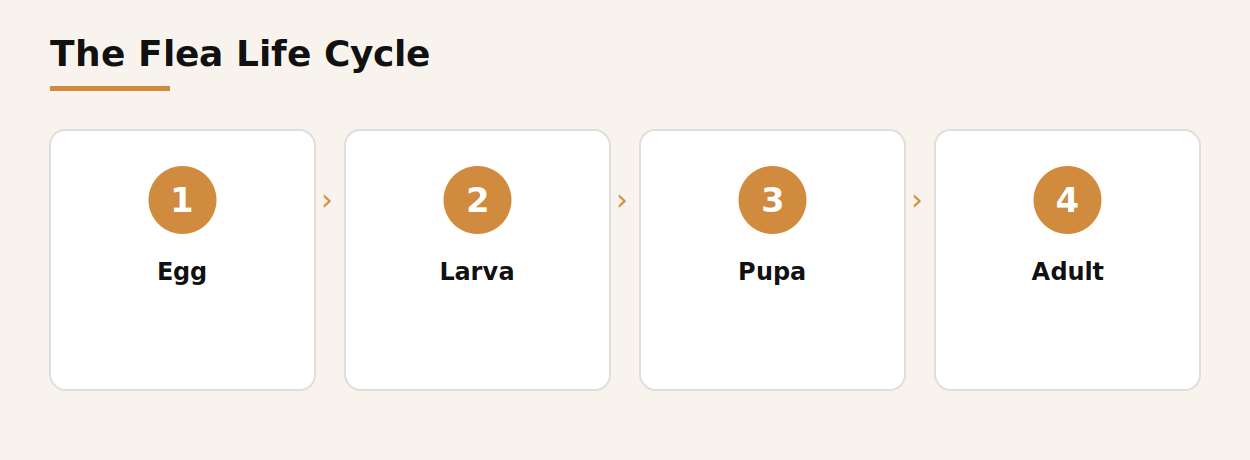
Fleas lay eggs that fall off the pet into carpets and soft furnishings, where they develop through larval and pupal stages that can be resistant to surface treatments. A pupa can remain dormant for weeks before hatching, which is why a home can look flea-free for a period and then see activity return. Effective control needs to address this environmental life cycle, not just the fleas visible on a pet at the time of treatment.
Ticks tend to wait on grass blades or low planting and attach when a pet or person brushes past. Villa gardens with shaded, less-maintained corners are more likely to host tick activity than open, sun-exposed lawns. Checking pets after time outdoors, particularly around the ears, neck and paws, helps catch ticks before they attach for an extended period.
Community areas shared between villas, such as communal lawns, jogging paths and landscaped borders, can also carry tick activity that then travels home on a pet's coat. Because these shared spaces are outside any single household's control, regular pet checks after outdoor time matter even in well-maintained communities.
Homes with more than one pet, or with pets that spend time both indoors and in a garden, tend to see infestations establish faster and spread further, simply because there are more hosts moving fleas and ticks between resting areas. In these households, treating only one animal while the other continues to pick up fleas outdoors means the environmental population in carpets and bedding never fully clears. A treatment plan that covers every pet's resting area, not just the pet showing visible symptoms, gives a much better chance of breaking the cycle in one round.
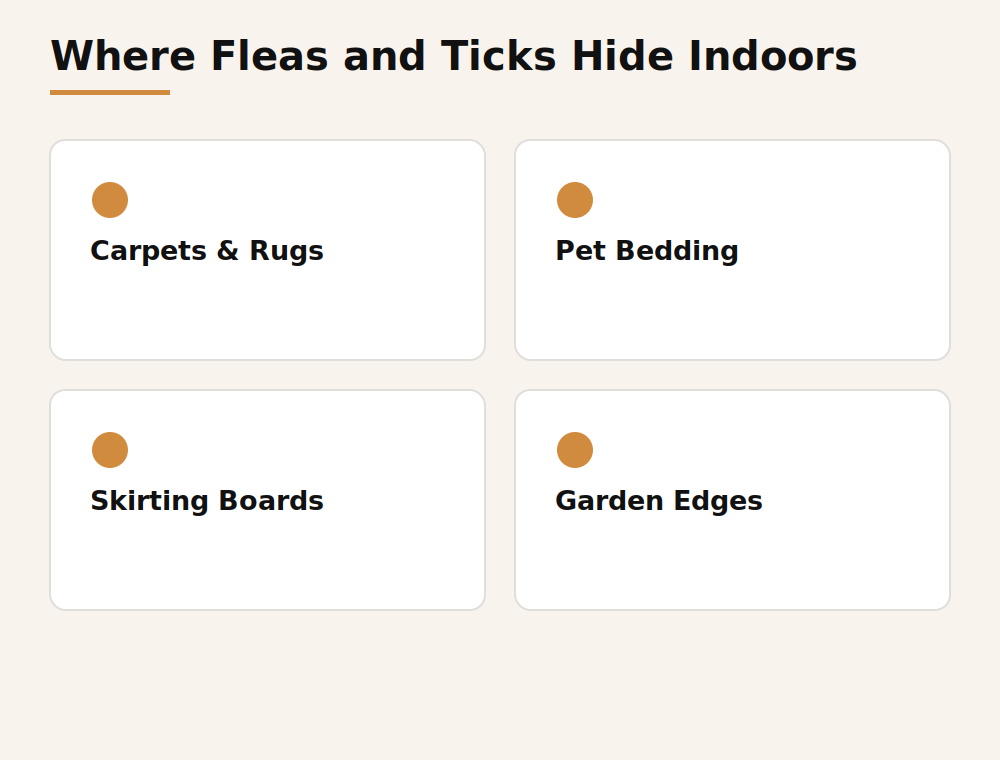
Santera's treatment covers both the pet's environment and the areas fleas and ticks are likely to be hiding, including carpets, skirting boards, pet bedding areas and, where relevant, garden zones close to the property. Using Dubai Municipality-approved professional products, the treatment targets adult fleas and ticks as well as the eggs and larvae in the surrounding environment, with a follow-up visit included to catch anything that hatches after the initial treatment.
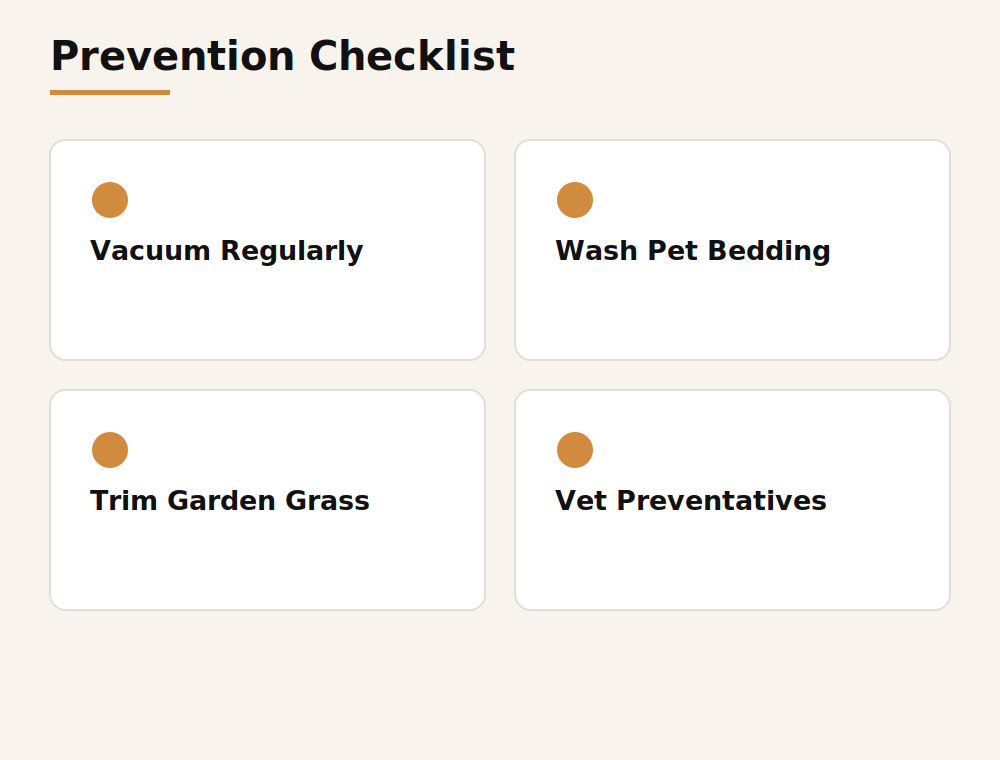
Regular vacuuming of carpets and pet resting areas, washing pet bedding frequently, keeping garden grass trimmed and treating pets with vet-recommended preventatives all help maintain results after professional treatment. In shared villa communities, coordinating with neighbors on garden maintenance can also reduce the chance of fleas or ticks moving in from an adjoining property.
Vacuuming deserves particular attention in the weeks after treatment, since the physical action of vacuuming helps remove flea eggs and stimulates any remaining pupae to emerge earlier, when they are still within reach of the treatment's effect. Emptying the vacuum bag or canister outside the home afterward prevents collected eggs and debris from simply being reintroduced indoors.
If flea or tick activity keeps returning despite treating your pet directly, the environment around your pet is usually where the real population is hiding. Read more on our Fleas pest library page.
Flea eggs and pupae live in carpets, soft furnishings and garden soil, not just on the pet. Treating the animal alone leaves this environmental population behind, and new fleas hatch and jump back onto pets or people within days.
Yes. Fleas and ticks can enter on clothing, through visiting animals, or from a garden with stray cat or rodent activity, and can survive indoors on carpets and soft furnishings even in a pet-free home.
Ticks are primarily a concern for pets, but can also bite people and are worth taking seriously if you notice them on bedding, furniture or a pet's coat, especially in villa gardens with grass or shaded planting.
Most households see a significant reduction within the first week, with the treatment cycle designed to also break the egg and pupa stages that a single visit cannot fully reach, which is why a follow-up is included.
Book a complimentary inspection via WhatsApp and let a Dubai Municipality certified team treat both your pet's environment and the garden areas fleas and ticks hide in.