24/7 Pest Control in the UAE

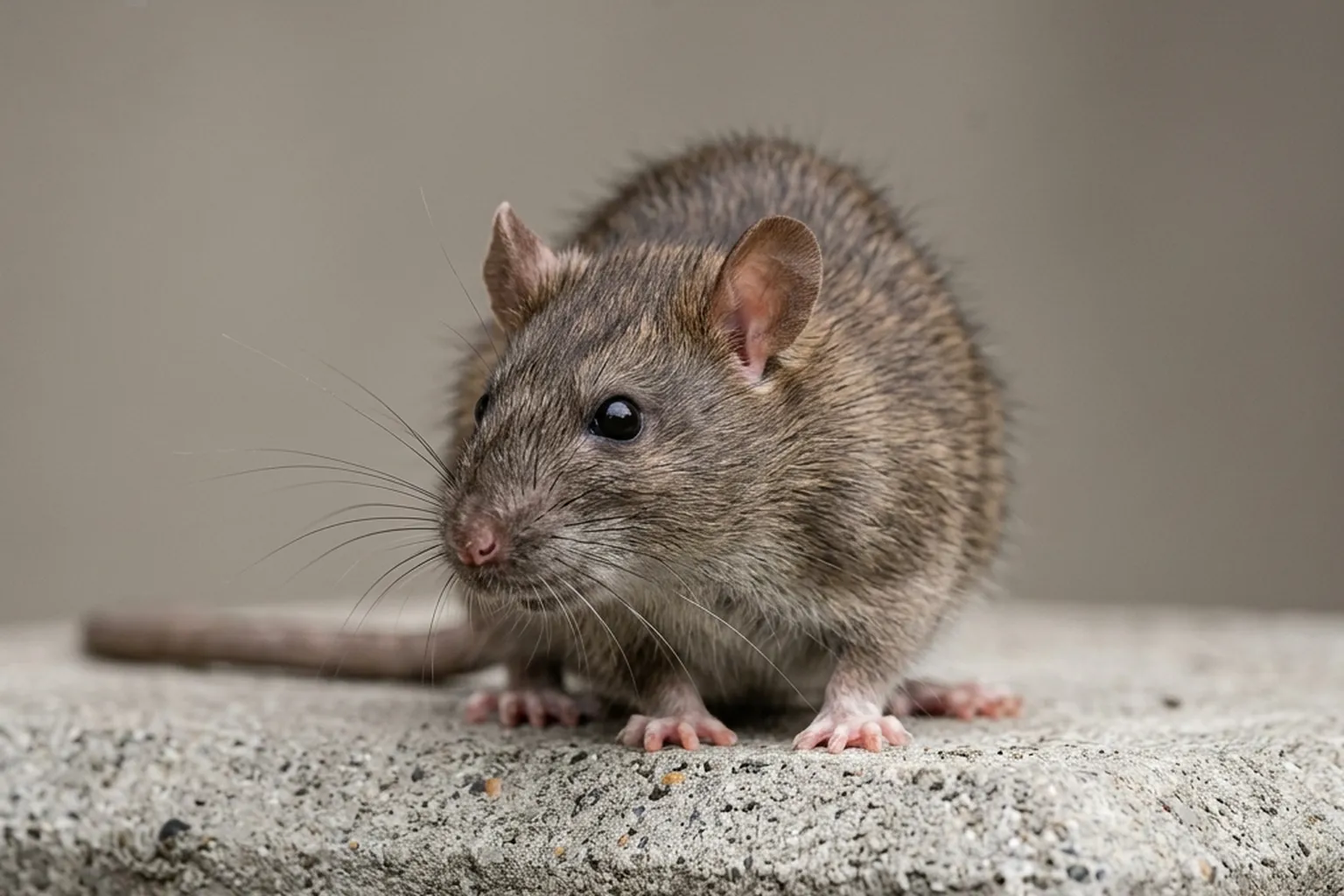
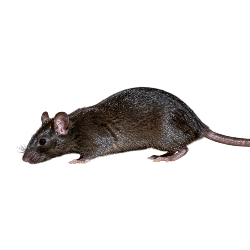
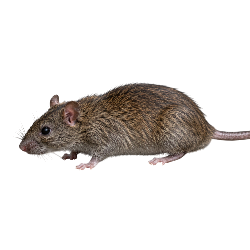
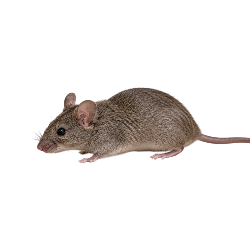
Rodents are characterized by their single pair of continuously growing incisors in both the upper and lower jaws, which forces them to constantly gnaw on materials. In Dubai, you are highly likely to encounter three major species: the tiny House Mouse (12–20g, with large ears), the slender and agile Roof Rat (150–250g, tail longer than body), and the robust, burrowing Norway Rat (200–500g, thick body with small ears and tail shorter than body). Their coloration ranges from light brown and grey to dark charcoal-black. Correct species identification is the absolute foundation of successful control—because bait placement, trap selection, and physical exclusion methods vary drastically depending on whether you are dealing with a climbing Roof Rat or a ground-dwelling mouse.
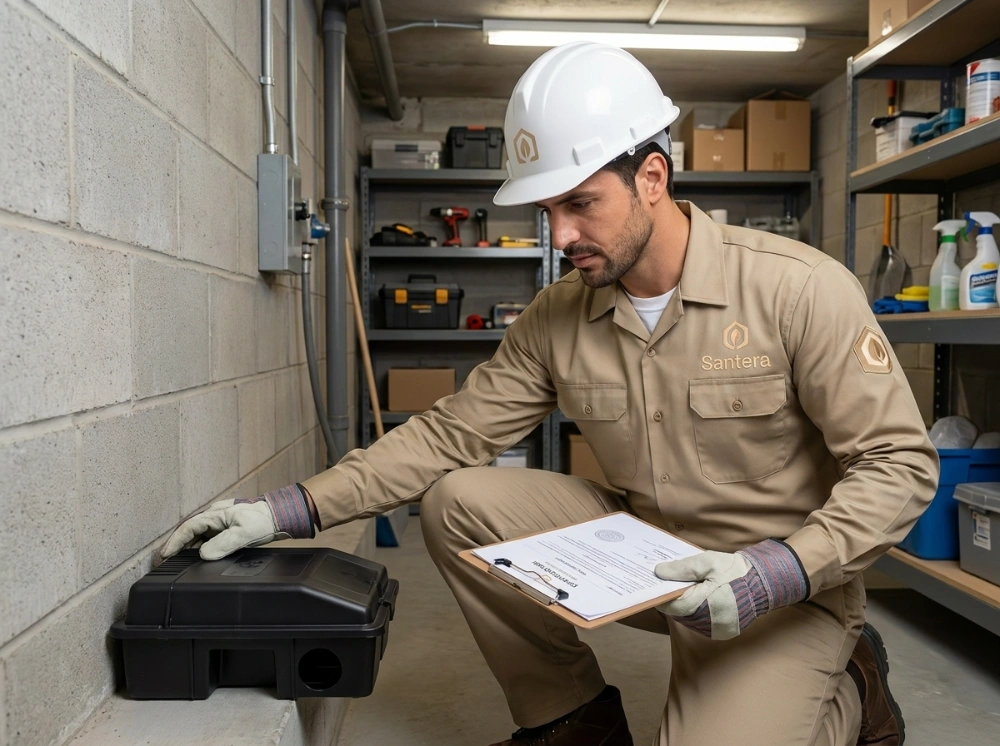
How Santera Help Get Rid Of Rodents
Rodent infestations in Dubai villas, restaurants, and warehouses escalate at an alarming speed—these highly intelligent pests chew through electrical wiring, structural walls, and water pipes, posing severe fire hazards and flood risks. DIY traps and supermarket snap traps fail to address the core problem; rodents are highly neophobic (afraid of new objects) and quickly learn to avoid poorly set traps, while their rapid reproduction rate ensures the population continues to grow.
Santera's Dubai Municipality-licensed technicians implement a rigorous, Integrated Pest Management (IPM) strategy for rodent eradication. We begin with a complete property audit to identify entry points, travel paths, and nesting areas. We then install secure, tamper-resistant bait stations containing premium multi-feed rodenticides and professional mechanical traps, combined with comprehensive structural exclusion (using steel mesh and concrete) to seal all entry holes larger than 6mm. For commercial F&B clients, all works are fully aligned with HACCP guidelines and Dubai Municipality public health safety codes.
Professional analysis and scientific facts about the pests that matter. Explore our deep-dive resources to stay informed and one step ahead of infestations

An infestation can grow exponentially within a few months; a single pair of mice can breed and produce dozens of offspring within a few weeks, which then reach reproductive maturity in six weeks. Prompt professional intervention is crucial to halt this rapid breeding cycle.
No, supermarket rodent baits are highly discouraged because they are often placed loosely where pets or children can easily access them, posing severe poisoning hazards. Furthermore, rats can develop bait shyness or resistance to low-grade consumer baits, making subsequent control harder.
The three most common species are the House Mouse (Mus musculus), the Roof Rat (Rattus rattus), and the Norway Rat (Rattus norvegicus). The Roof Rat is particularly common in residential villa areas with mature trees, while the Norway Rat is found near sewers and coastal areas.
Yes, rodents carry multiple public health pathogens, including Salmonella, Leptospirosis, and Hantavirus, which they spread through their urine, feces, and saliva. They also carry fleas and ticks that can transmit secondary diseases to humans and household pets.
Yes, rodents are a significant cause of unexplained structural fires because they chew through plastic insulation on live electrical wires. This exposes the bare copper wires, leading to short circuits, sparks, and high-risk electrical fires behind walls or in false ceilings.
Because outdoor gardens in Dubai villa communities offer constant sources of water from irrigation systems, food from pet bowls or bird feeders, and shelter under lush landscaping. To keep them out, homeowners must remove exterior food sources and have Santera install a secure exterior baiting perimeter.