24/7 Pest Control in the UAE



Yes. Where a snake is harmless and beneficial, Santera safely relocates it rather than harming it, and confirms the species for your peace of mind. Native snakes help control rodents, so humane relocation protects both your household and the local ecosystem, in line with wildlife-handling standards.
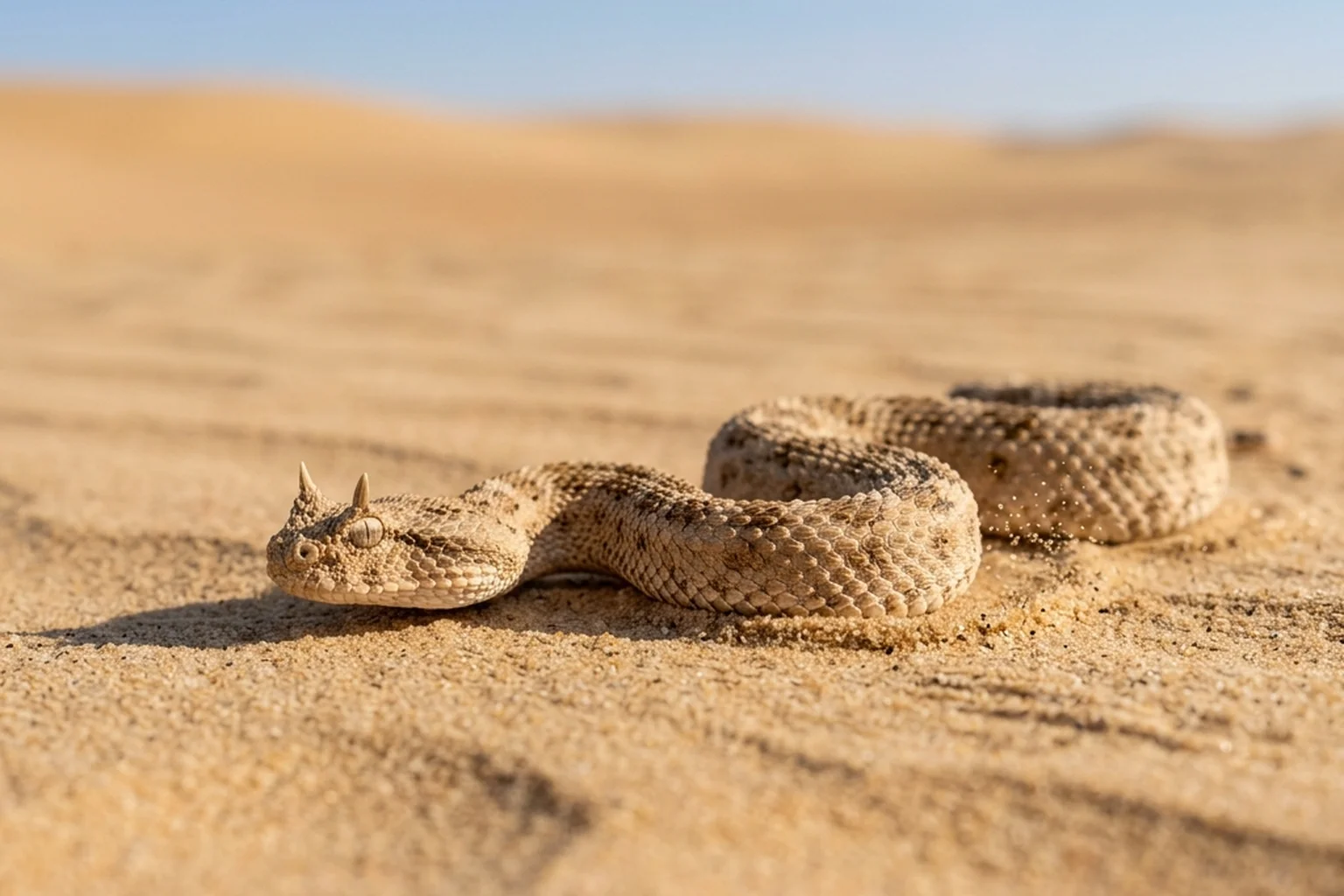
From venomous species, yes — a bite from a Saw-scaled Viper, Horned Viper, or Arabian Cobra requires urgent hospital treatment. Treat any bite as serious, keep the person calm and still, and seek medical help immediately. The safest approach is never to risk a bite by approaching a snake.
Prey and cover. Rodents and lizards are the main draw, with rubble, dense planting, woodpiles, and water providing shelter and moisture, particularly at the desert edge. Properties that control rodents and keep gardens tidy are far less attractive to snakes.
Occasionally — snakes may enter ground-floor villas and compounds through gaps under doors and around walls, usually following prey or seeking shelter or cooler conditions. Sealing entry points and controlling rodents reduces this risk, which Santera addresses as part of safe removal and prevention advice.
Reduce what attracts them: clear rubble, woodpiles, and dense vegetation, control rodents and lizards, manage standing water, and seal gaps under gates, doors, and walls. Santera removes the snake and then advises on these habitat and proofing measures to lower the risk of return.
No — it's dangerous and unnecessary. Attempting to handle or kill a snake is exactly when most bites occur, and several Dubai species are highly venomous. Killing harmless native snakes also removes beneficial rodent predators. Always keep clear and call Santera for safe professional removal.