Termites
Termite Treatment in Dubai: Signs, Options and What It Costs
Muhammad Saif Ullah
September 13, 2026


Termites cause more structural damage to Dubai properties each year than almost any other pest, and much of it happens out of sight until the damage is already done. Dubai's heat and humidity create ideal conditions for both termite types found locally, and villas, warehouses and older buildings with exposed timber are especially exposed. If you are searching for termite treatment in Dubai, here is how to recognise an infestation, what professional treatment involves, and what affects the cost.
Two termite types account for almost all activity in the emirate. Subterranean termites live in the soil and build mud tubes to reach timber above ground; they are the more common and more destructive type in villas and ground-floor units. Drywood termites nest directly inside dry timber, furniture and structural wood, and spread through infested furniture or timber brought onto a property. Identifying which type is present changes where a technician inspects and how the treatment is designed.
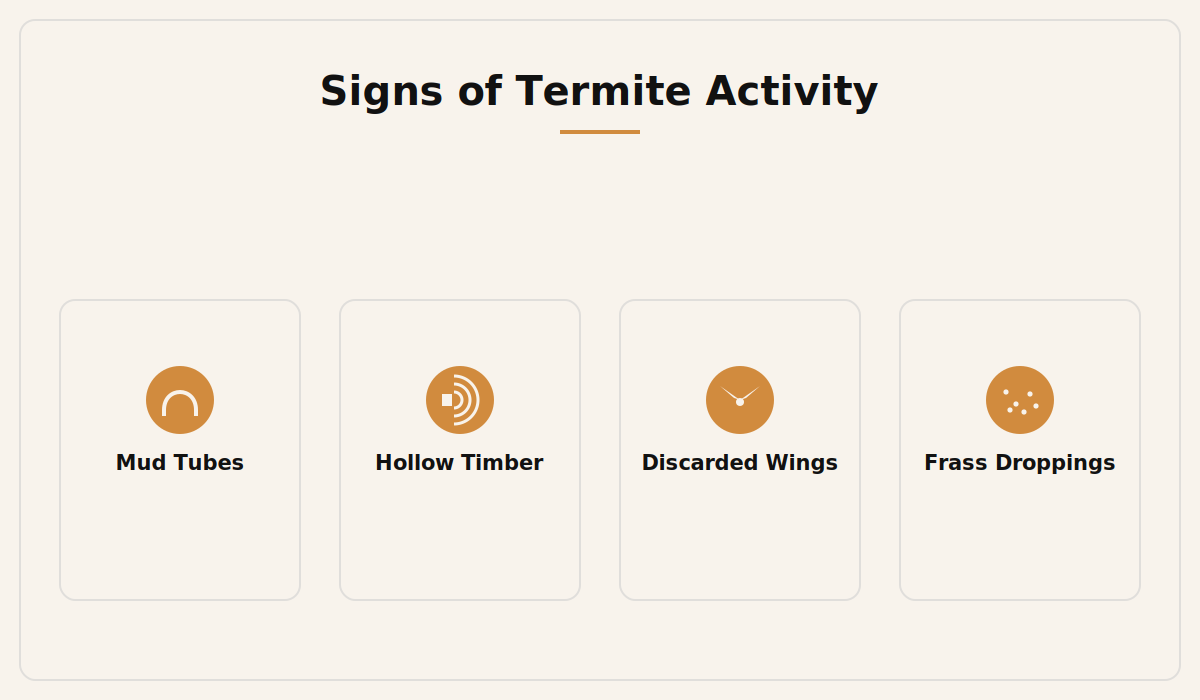
Termite damage is often invisible until timber is hollowed out from within. The signs worth acting on include mud tubes running up external walls or foundations, timber that sounds hollow or papery when tapped, discarded wings near windowsills and doors after a swarm, small piles of frass (termite droppings that look like fine sawdust) near skirting or furniture, and doors or window frames that stick without an obvious cause. Any one of these on its own is worth a professional inspection.
Dubai's warm climate keeps termite colonies active for most of the year rather than slowing down in winter as they do in cooler regions. Villas and low-rise buildings with exposed timber framing, wooden decking, or landscaping irrigation close to foundations give subterranean termites easy access to moisture and timber. Imported furniture and untreated construction timber can also introduce drywood termites directly into a property. Because colonies build for months before damage becomes visible, an early inspection is far cheaper in the long run than waiting for obvious signs.
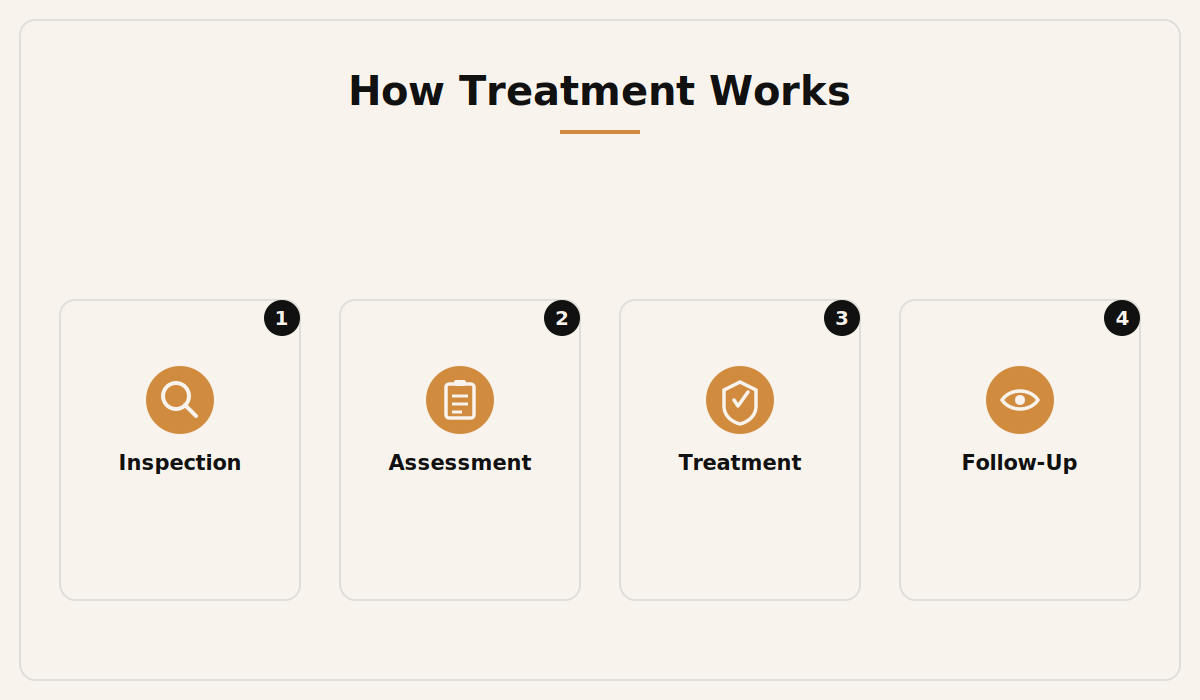
Santera's certified technicians start with a complimentary inspection to confirm the termite type, the extent of activity, and every entry point into the structure. Treatment is then built around what is found:
All products used are Dubai Municipality-approved, and your technician confirms the treatment plan and treated areas before work begins.
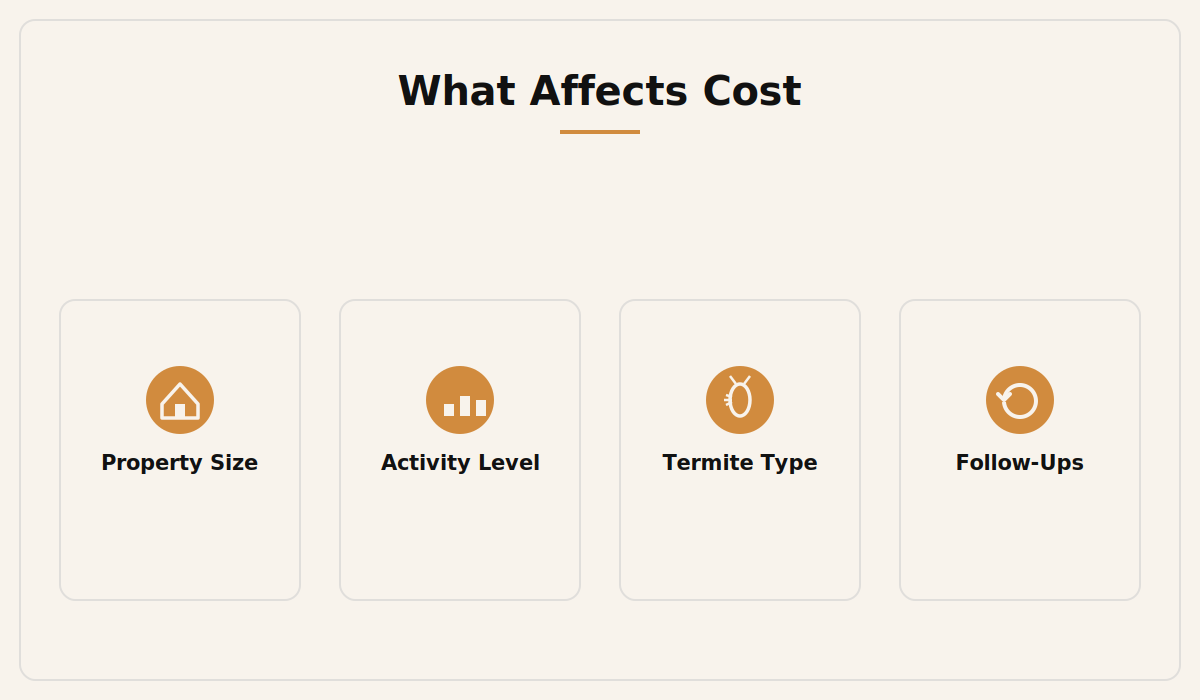
Termite treatment cost varies by property, so Santera does not quote a flat rate. The main factors are the size of the property and the area affected, whether termites are subterranean, drywood, or both, how far the activity has spread into structural timber, and whether follow-up visits are needed to confirm the colony is cleared. Santera confirms the full price after a complimentary inspection, so you know what to expect before any work begins, and every treatment includes a 30-day warranty with follow-up support.
Store-bought sprays and foams may kill visible termites on contact, but subterranean colonies live underground and drywood colonies nest inside timber, so surface treatment rarely reaches the source. Termites can also continue causing structural damage for months while a DIY approach appears to be working. Professional treatment targets the colony and the entry points, not just visible termites, which is why it is the only reliable way to stop an active infestation.
Once treatment is complete, a few habits reduce the chance of termites returning: keep irrigation and sprinklers away from the building foundation, repair leaking pipes and roof areas promptly, store firewood and untreated timber away from the structure, and have any new furniture or timber inspected before bringing it into the property. For more on identifying and preventing termite activity, see Santera's Termite Pest Library page.
Termite damage gets more expensive to repair the longer it goes untreated. A professional inspection confirms the species, the extent of activity, and the right treatment for your property. Santera is Dubai Municipality certified, with same-day service available across Dubai.
Look for mud tubes on walls or foundations, timber that sounds hollow when tapped, discarded wings near windows and doors, and small piles of frass that look like fine sawdust. If you notice any of these, a professional inspection confirms whether termites are active and how far they have spread.
Subterranean termites live in the soil and travel through mud tubes to reach timber above ground, and are the more common type in Dubai villas. Drywood termites nest directly inside dry timber and furniture and do not need contact with soil. The two require different treatment approaches, which is why correct identification during inspection matters.
Cost depends on the size of the affected area, whether the termites are subterranean, drywood, or both, and how many follow-up visits are needed. Santera confirms a full price after a complimentary inspection, so you know the cost before any work begins, and treatment includes a 30-day warranty with follow-up support.
Yes. Your technician explains which areas need to be kept clear and for how long, based on the treatment used. All products are Dubai Municipality-approved, and the technician confirms it is safe to return to treated areas before leaving.
Treatment stops the colony causing further damage, but it does not repair timber that is already hollowed out or structurally weakened. A qualified contractor should assess and repair any damaged structural timber once the termite activity has been treated.
Book your complimentary inspection via WhatsApp. Same-day service is available across Dubai.