Spiders
Camel Spiders in Dubai: Are They Dangerous and What to Do
Muhammad Saif Ullah
October 9, 2026


You step out onto a villa terrace in Dubai after dark, and something pale and fast races across the tiles toward the light. It is the size of your palm, it seems to be mostly jaws, and it moves like it has somewhere to be. Most people who meet a camel spider for the first time have the same two questions: is it dangerous, and is it going to get inside? This guide answers both, based on what we see on real properties across Dubai.
The name is misleading. Camel spiders are not spiders and have nothing to do with camels. They are solifuges, a separate order of arachnids that thrive in dry, sandy regions, which makes the desert fringes of Dubai ideal habitat. They have two large jaws (chelicerae), long sensory leg-like pedipalps at the front, and a body that is typically tan or straw coloured. Adults in the region commonly measure several centimetres in body length, and the long legs make them look larger than they are.
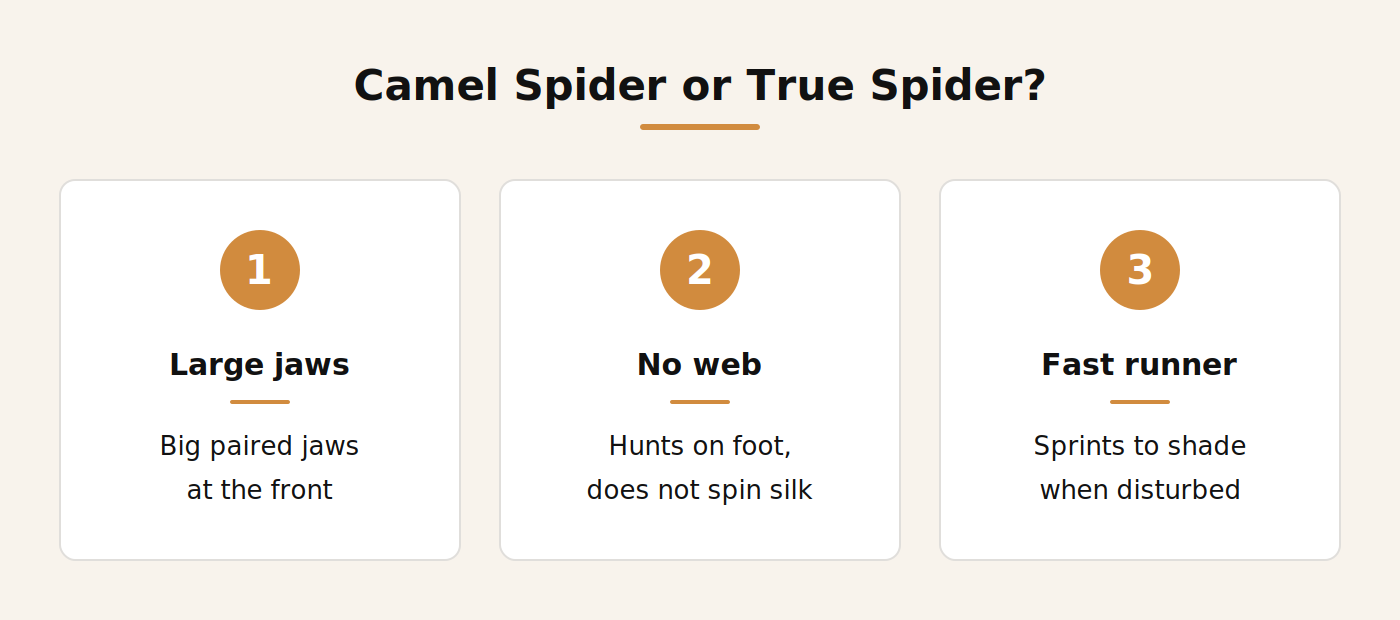
The honest answer is: far less than their reputation suggests. They have no venom glands, so there is nothing to inject. The concern is their jaws. A large camel spider can pinch hard enough to break the skin, and any open wound can become infected if it is not cleaned. Bites on people are uncommon and almost always happen when the animal is handled or cornered. They do not hunt people, and the stories of them chasing humans come from their habit of running toward shade, which is often the shadow of a person standing in the sun.
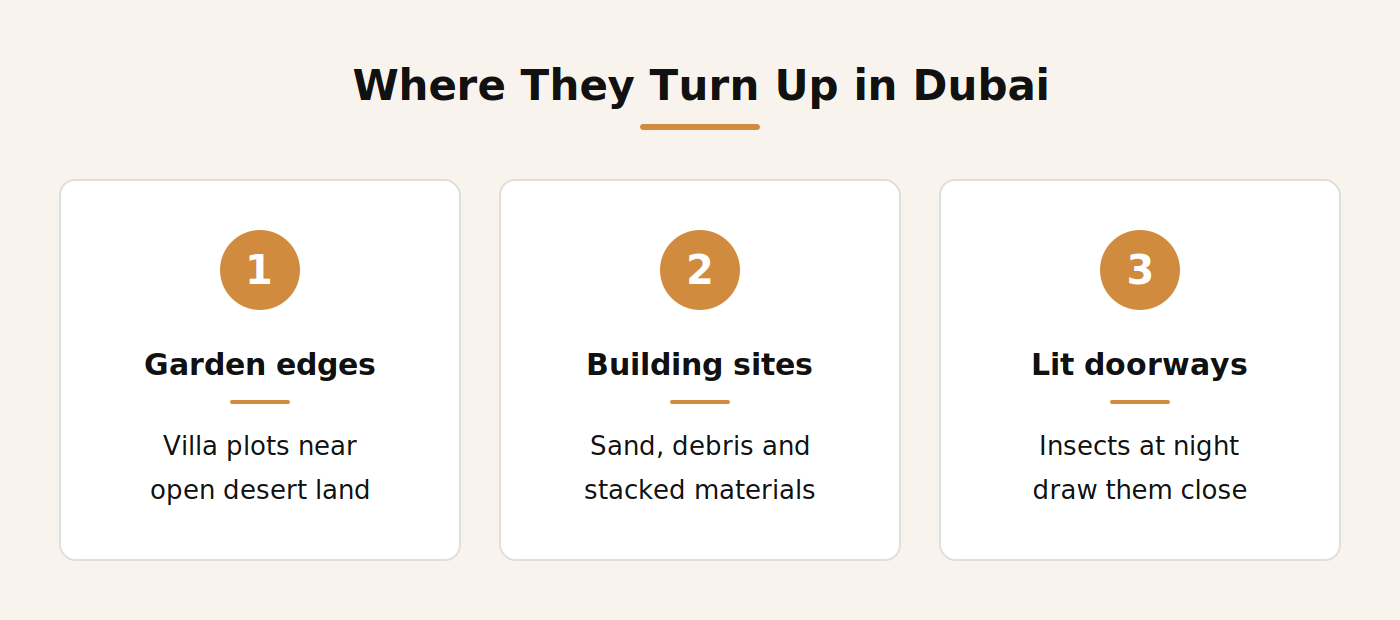
Camel spiders are predators of insects, other arachnids and small lizards. Where there is food, they follow. In Dubai three things bring them close to buildings:
Sightings are most common at night between late spring and early autumn, on ground floor terraces, around villa perimeter walls, near garage doors, inside storage rooms and beside outdoor kitchens. High floor apartments rarely have a problem unless a balcony door is left open next to a lit area at ground level.
Camel spiders follow food and shelter, so prevention focuses on both:
Because camel spiders are a symptom of an insect and access problem, the response is rarely a single spot treatment. Our Dubai Municipality certified technicians inspect the perimeter, lighting, drainage and entry points, identify what is feeding the activity and apply a targeted programme using professional products approved for use in the emirate. Where it makes sense we pair this with proofing advice for doors and gaps. Our work carries a 30-day warranty with follow-up support, and every visit is documented under License 1595993.
If you want to understand the wider picture of local arachnids, our Spiders page in the Pest Library covers identification and typical behaviour.
No. Camel spiders, properly called solifuges, have no venom glands. Their bite is mechanical, delivered by large jaws, and can be painful and break the skin, so the wound should be cleaned and watched for infection.
No. They belong to a separate group of arachnids called Solifugae. They have no silk glands and do not build webs, which is why you will not find them in corners the way you find house spiders.
They are drawn to outdoor lighting, which attracts the insects they hunt, and to shelter during very hot or windy spells. Villas near desert edges, undeveloped plots and landscaped gardens see them most often.
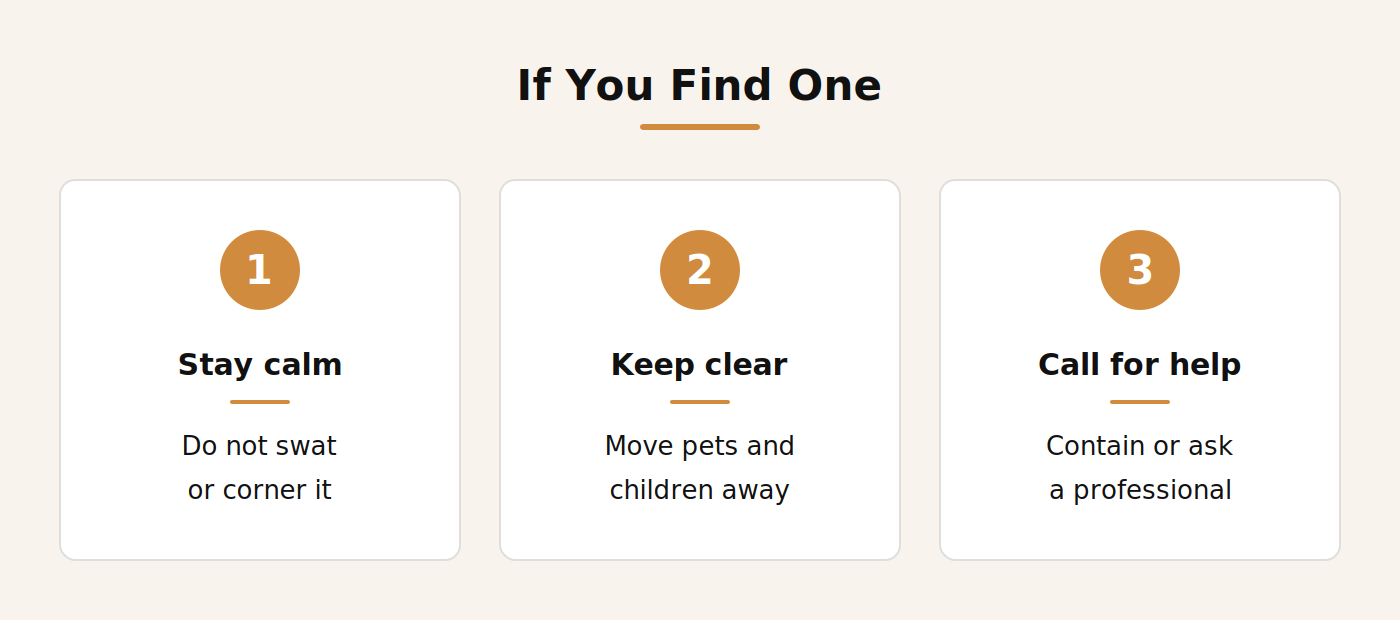
Stay calm and keep children and pets away. Guide it into a container with a stiff card and release it outside, or call a professional. Avoid trapping it against a wall by hand.
Reduce outdoor lighting near doors, seal gaps under doors and around pipes, clear debris from the perimeter, and control the insects that feed them. A professional inspection can identify entry points specific to your property.
Seeing one camel spider is usually a one-off. Seeing several suggests there is something on your property drawing them in. Book your complimentary inspection via WhatsApp on +971 4 332 2623 or email info@santera.ae. Same-day service is available across Dubai.