24/7 Pest Control in the UAE

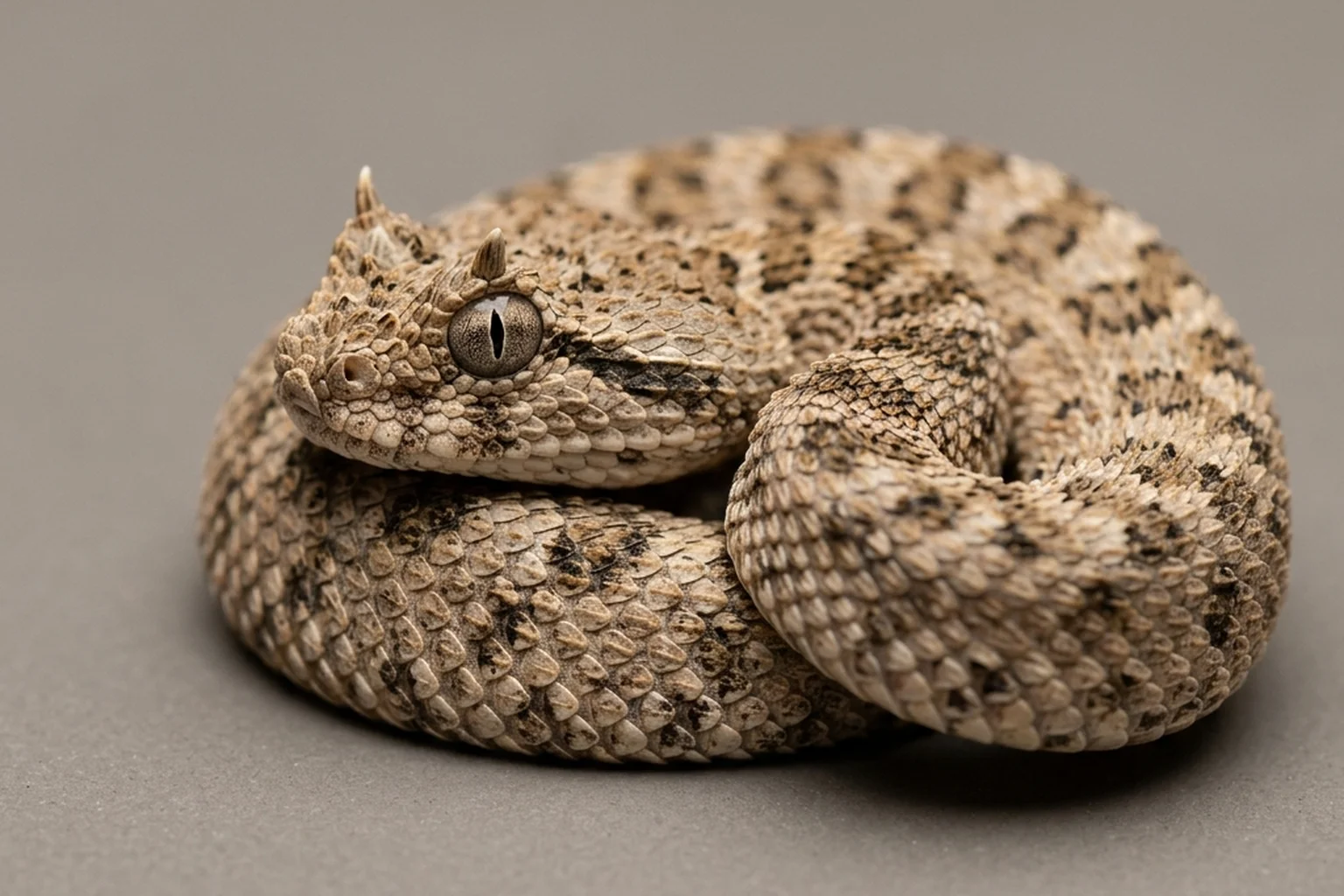
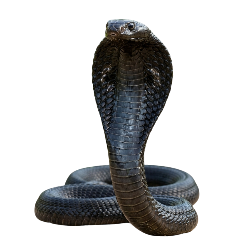
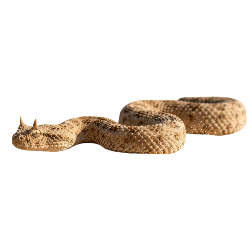
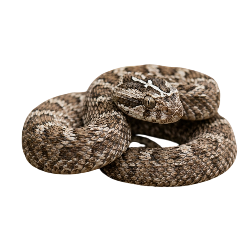
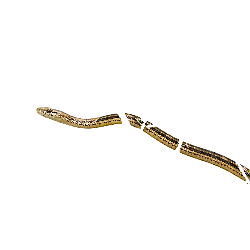
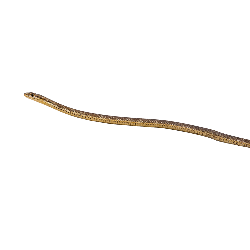
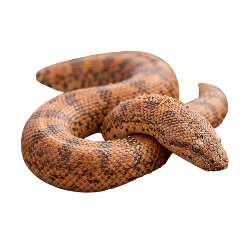
Snakes are elongated, legless, carnivorous reptiles characterized by their flexible jaws, lack of eyelids, and highly sensitive, forked tongues used for tracking prey, but in Dubai you are highly likely to encounter species that range from stout, camouflaged desert dwellers with distinct horned eye scales (Arabian Horned Viper, 30–60cm) to long, exceptionally fast, slender climbers (Desert Racer, up to 1.5 meters). Colors range from sandy tan and reddish-brown bands (Saw-scaled Viper) to uniform pale olive-grey (Gulf Sand Snake). Correct species identification is the absolute first step to effective control—because highly venomous vipers and cobras require emergency, specialized capture tongs and immediate relocation, whereas non-venomous racers or sand snakes require basic habitat modification and exclusion.
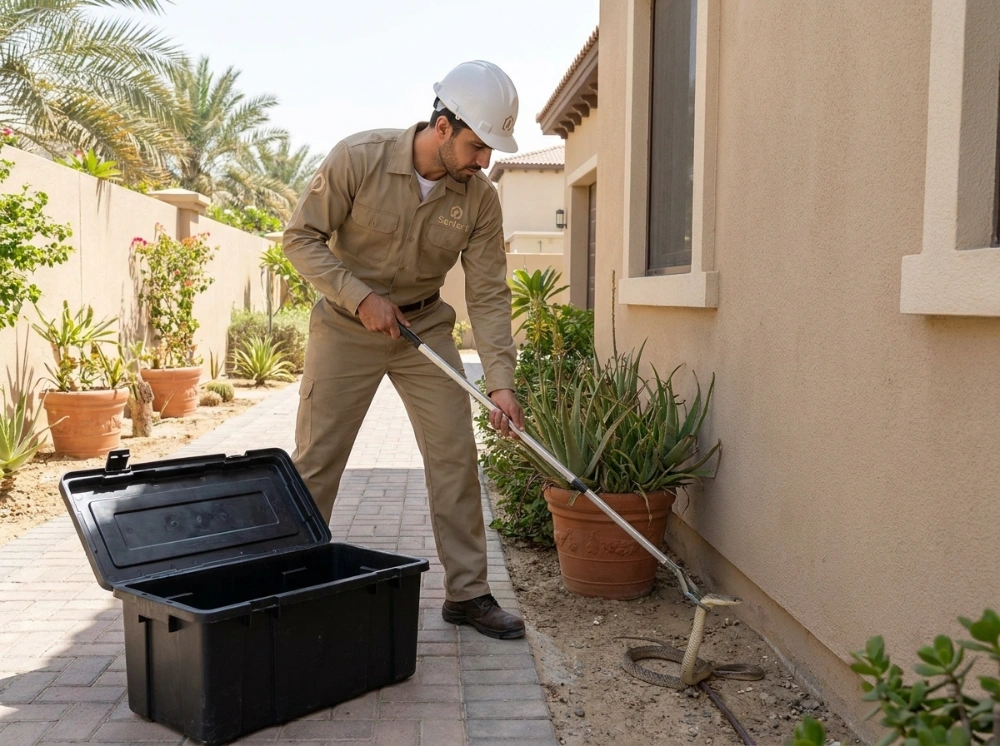
How Santera Help Get Rid Of Snakes
Snake encounters in desert-bordering Dubai villas and irrigated gardens present a high-risk safety hazard—these reptiles venture into properties searching for water, rodents, and shaded shelter from the extreme heat. Trying to capture, hit, or corner a snake yourself is extremely dangerous; most bites occur when untrained individuals attempt DIY control, and venomous species like the Saw-scaled Viper can strike with lightning speed, requiring immediate, specialized medical treatment.
Santera's Dubai Municipality-licensed technicians deliver highly professional, safe, and humane snake management services. Equipped with specialized handling equipment (including snake hooks, grabbers, and secure transport cases), we safely capture and humanely relocate snakes far from residential zones. We then perform a complete habitat audit, applying premium, eco-friendly snake repelling granules around the property perimeter, and recommending structural modifications like sealing expansion joints and installing tight-fitting door sweeps. All treatments are executed under strict safety standards.
Professional analysis and scientific facts about the pests that matter. Explore our deep-dive resources to stay informed and one step ahead of infestations

The Jacobson's organ is an auxiliary olfactory sense organ located in the roof of a snake's mouth, which it uses to "taste" the air by flicking its tongue. Professional repellents target this sensitive organ, releasing odors that irritate the snake and force it to retreat.
Yes, certain highly agile species, particularly the Desert Racer, are exceptional climbers that can easily scale rough stucco walls, climbing vines, and tree branches to access first-floor balconies or open upper windows.
The Saw-scaled Viper (Echis carinatus) is the most medically significant and dangerous snake in the region. Its potent hemotoxic venom causes severe tissue damage and internal bleeding, requiring immediate emergency antivenom treatment at a hospital.
Yes, professional-grade granular repellents made from natural oils are highly effective at deterring snakes by irritating their sensory organs, causing them to avoid the treated perimeter. However, they must be combined with physical exclusion and food source removal for complete protection.
You can prevent entries by sealing gaps under garage and exterior doors with heavy-duty sweeps, covering weep holes with fine mesh screens, pruning low garden shrubs, and ensuring any rodent infestations are immediately eradicated by Santera.
Our licensed technicians capture the snake safely using professional, non-injurious tongs or hooks, place it inside a secure, ventilated transport case, and release it back into its natural desert habitat far away from residential and commercial developments.