24/7 Pest Control in the UAE

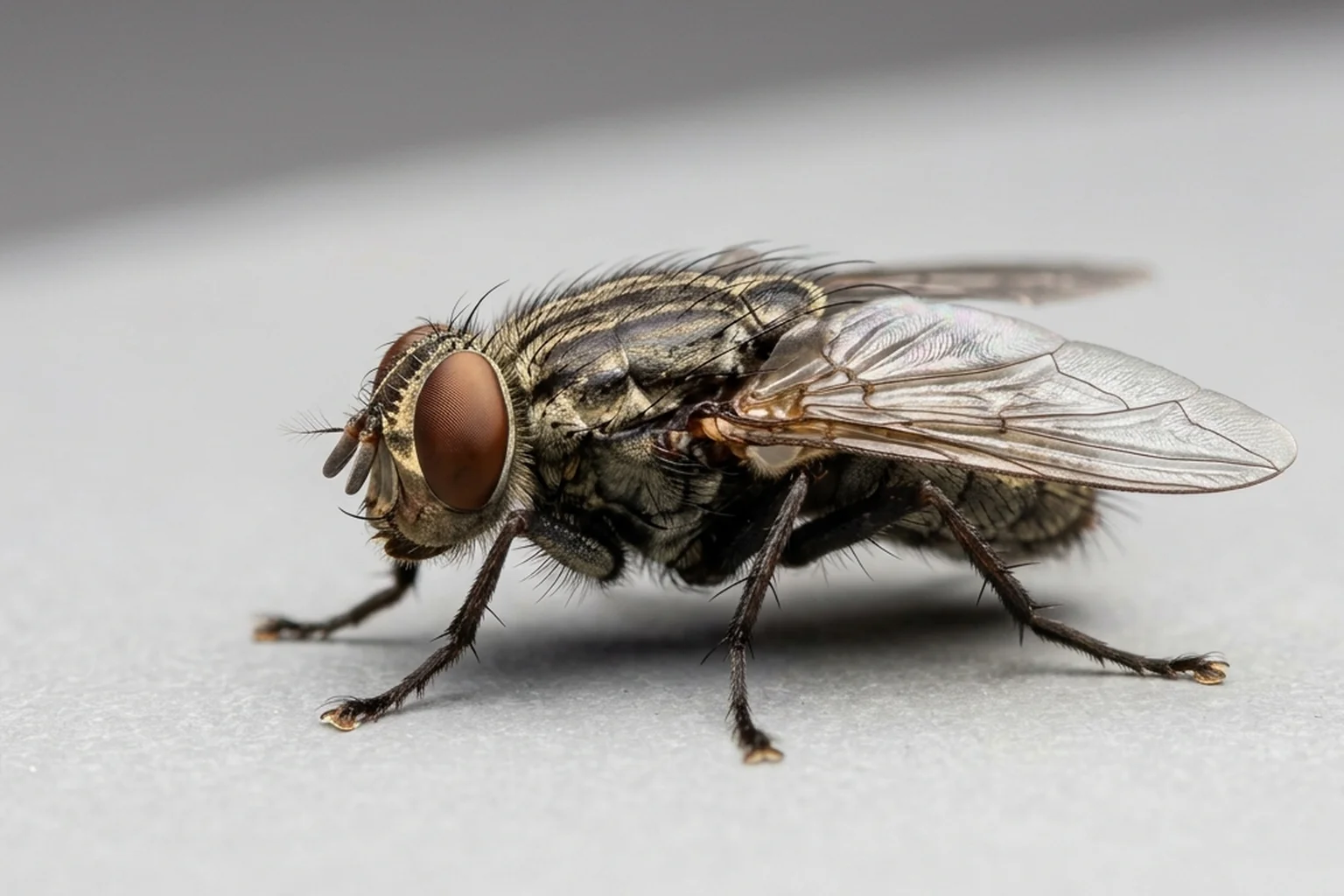
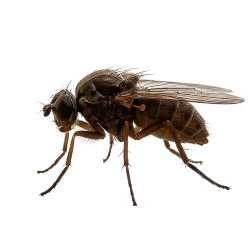
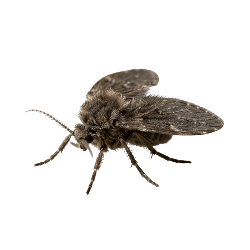
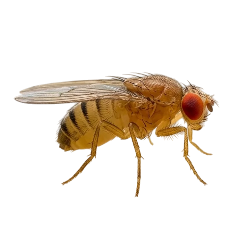
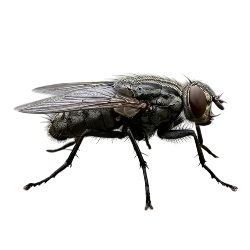
Flies are two-winged insects (Diptera) featuring large compound eyes, a highly mobile head, and sucking or sponging mouthparts, but in Dubai you are most likely to encounter species that range from larger, dark-grey insects (House Fly, 6–7mm) to tiny, rapid-flying pests (Fruit Fly, 3mm). Colors vary from dull charcoal and metallic blue-green (Blue Bottle Fly) to pale brown, and their erratic flying patterns and constant landing behavior are key identifiers. Correct species identification is the absolute first step to effective control—because filth-breeding House Flies require different structural screening and exterior baiting than organic-material breeders like Fruit Flies, Drain Flies, or Phorid Flies nesting inside kitchen plumbing.

How Santera Help Get Rid Of Flies
Fly infestations in Dubai villas and busy restaurants present a massive hygiene and operational threat—these rapid flying pests land continuously on food, waste, and food preparation surfaces, spreading hundreds of bacteria types in seconds. DIY aerosol sprays and cheap sticky traps provide only momentary relief; they do not address the organic breeding slime inside floor drains, bin zones, or damp soil where thousands of eggs are actively developing.
Santera's Dubai Municipality-licensed technicians address fly infestations using a multi-step, scientific methodology. We perform a complete breeding source audit, treating active floor drains with biological foam that dissolves organic slime, and applying targeted larvicides to exterior waste areas. To control flying adult populations, we install professional UV Insect Light Traps (ILTs), apply long-lasting exterior residual baits, and install physical screens. For commercial F&B kitchens and hotels across Dubai, all systems are executed in absolute compliance with HACCP food safety standards and Dubai Municipality regulations.
Professional analysis and scientific facts about the pests that matter. Explore our deep-dive resources to stay informed and one step ahead of infestations

Because aerosol sprays only kill the adult flies currently flying in the room on contact, providing only a temporary fix. They do not address the active breeding sites, rotting waste, or organic drain slime where thousands of new eggs and larvae are developing, ensuring the flies return daily.
Yes, certain small flies, particularly Fungus Gnats, breed in the damp soil of over-watered indoor houseplants, where their larvae feed on decaying roots and soil fungi. Letting the topsoil dry out between waterings is a critical step in controlling these specific houseplant pests.
Six major species are commonly encountered in Dubai: the House Fly, Lesser House Fly, Blue Bottle Fly, Fruit Fly, Drain Fly, and Phorid Fly. Filth flies are typically larger and outdoor-associated, while small flies are indoor-dwelling pests that breed in organic drains and waste.
Because Fruit Flies have an incredibly keen sense of smell that detects fermenting sugars from miles away. They also breed extremely fast; eggs laid on overripe bananas or tomatoes hatch into active, reproducing adults in just 7 to 8 days, causing an explosive infestation from a single source.
Larval source treatments and drain foaming provide immediate results, while exterior residual baits and surface sprays last for 3 to 4 weeks. For commercial food businesses, Santera recommends continuous monthly monitoring and preventative service contracts to ensure permanent control.
Old-fashioned zappers electrocute insects, which explodes their bodies and scatters microscopic bacterial fragments into the air, presenting a severe contamination hazard. Modern UV light traps use a silent adhesive glue board that securely traps the fly whole, making them fully compliant with HACCP food safety standards.