24/7 Pest Control in the UAE

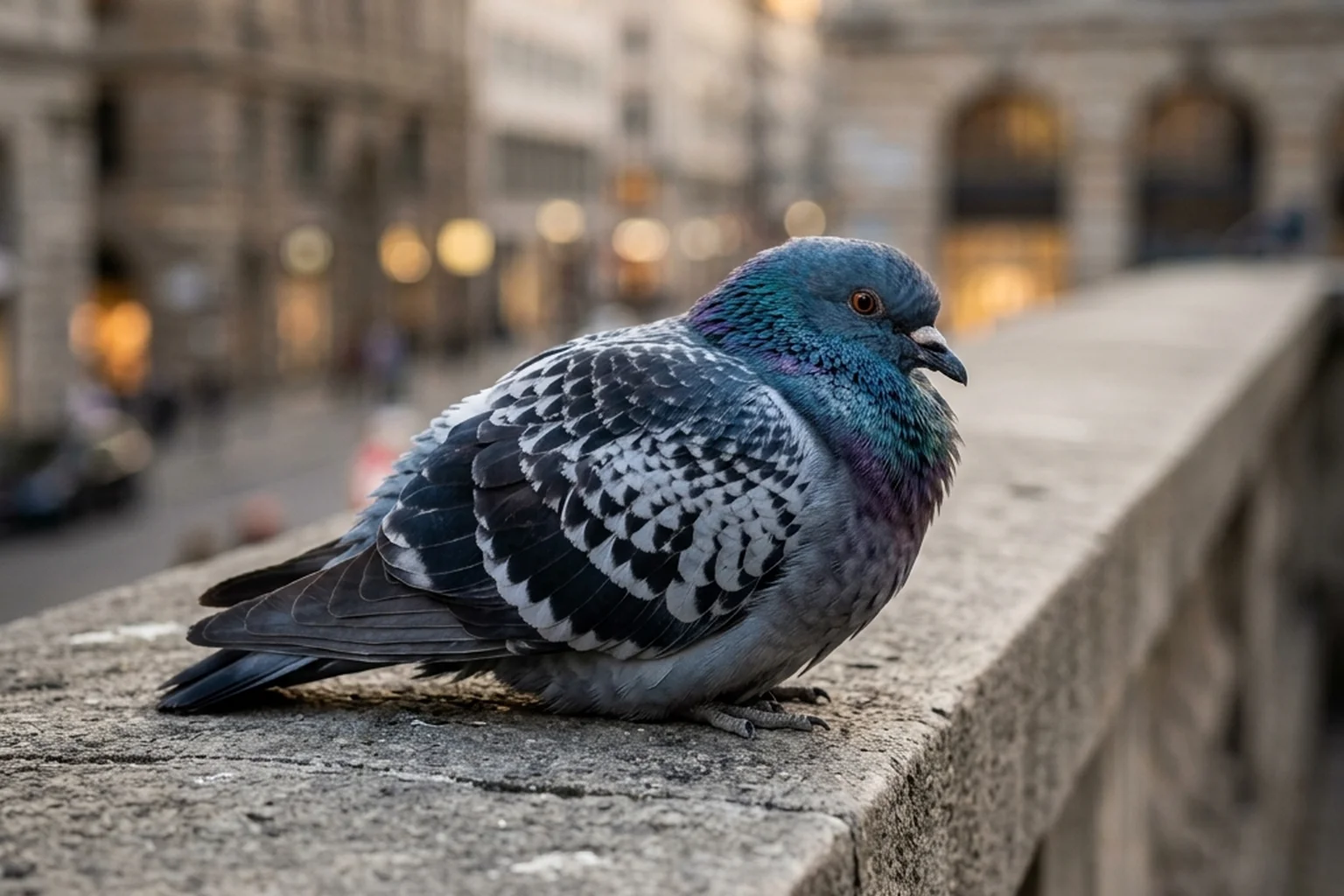
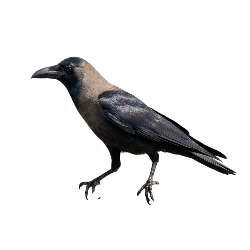
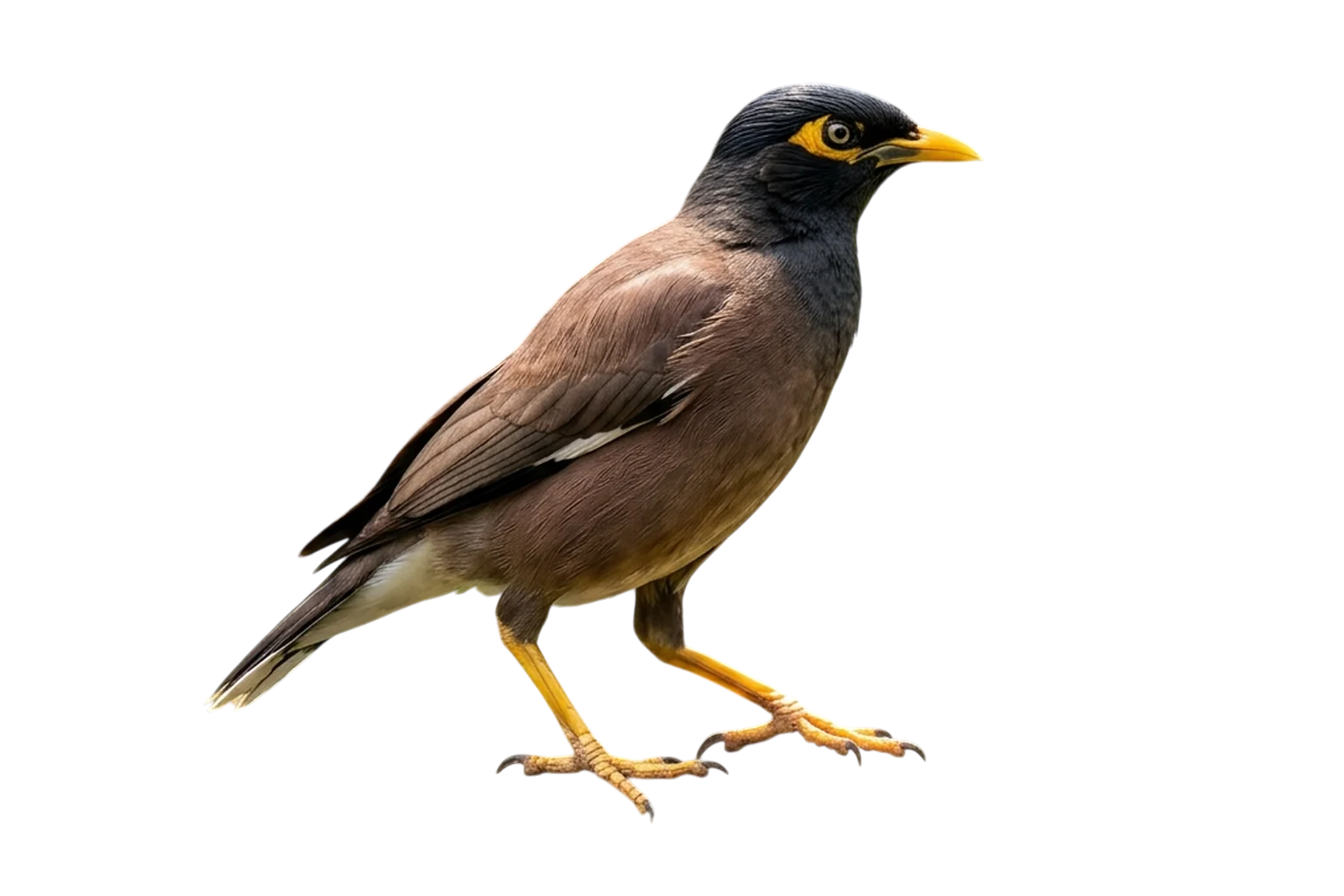
Pest birds are feathered vertebrates characterized by toothless beaked jaws, high metabolic rates, and strong lightweight skeletons, but in Dubai you are highly likely to encounter species that range from stout, blue-grey birds (Feral Pigeon, 30–35cm) to medium-sized, aggressive brown birds with distinct yellow eye patches (Common Myna, 23cm). Coloration varies from charcoal-black (House Crow) to streaked brown-tan (House Sparrow), and their constant roosting on structural ledges or nesting inside AC voids are key indicators of their presence. Correct species identification is the absolute first step to effective control—because roosting pigeons require heavy-duty physical barriers like spikes and nets, whereas smaller, cavity-nesting mynas require custom mesh coverings to seal AC and utility recesses.
How Santera helps
Pest bird infestations on Dubai villa roofs and commercial facades escalate rapidly—these highly adaptable birds nest in AC compressor niches, solar panels, and warehouse rafters, leaving behind accumulated droppings, feathers, and nest debris. DIY plastic owls or shining ribbons provide only temporary novelty; birds quickly habituate to them and return, while their highly acidic droppings permanently corrode solar panels, stain building paint, and carry dangerous public health pathogens.
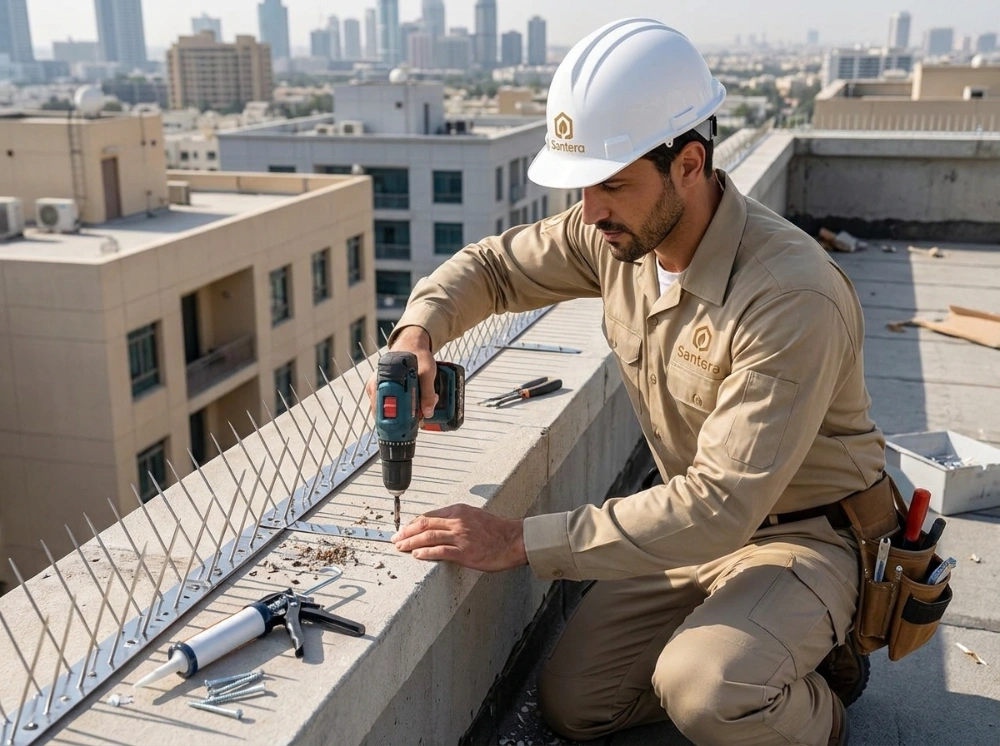
Santera's Dubai Municipality-licensed technicians implement highly durable, humane, and professional bird exclusion systems. We begin with a full architectural audit to identify roosting ledges and nesting cavities. We then install premium UV-stabilized polyethylene bird netting to seal off large voids and warehouse ceilings, combined with marine-grade stainless steel bird spikes along ledges, solar panels, and parapet walls. For modern facades, we utilize invisible multi-sensory optical gel discs that repel birds visually and olfactory. All work conforms strictly with Dubai Municipality safety regulations, structural codes, and animal welfare guidelines.
Professional analysis and scientific facts about the pests that matter. Explore our deep-dive resources to stay informed and one step ahead of infestations

Yes, Santera safely removes inactive or nuisance bird nests, sanitizes the affected area with powerful biocides to eliminate pathogens and mites, and immediately installs professional physical barriers to prevent the birds from rebuilding.
Because birds are highly intelligent creatures that quickly realize these static decoy predators do not move or pose a real threat. Within a few days of installation, the birds completely habituate to them and will even roost directly on top of the decoy plastic owls.
The four most common species are the Feral Pigeon (Columba livia domestica), the Common Myna (Acridotheres tristis), the House Sparrow (Passer domesticus), and the House Crow (Corvus splendens), each causing distinct structural and sanitary issues.
Yes, dried pest bird droppings release fungal spores into the air that can transmit serious respiratory infections like Histoplasmosis and Cryptococcosis. Furthermore, active nests are major sources of secondary pests like Bird Mites, which can migrate indoors and bite residents.
Yes, bird droppings contain highly corrosive uric acid that eats through paint, stains sandstone and marble facades, and degrades protective roofing membranes. Regular accumulation can cause thousands of dirhams in structural facade damage if professional exclusion is not implemented.
Myna birds are cavity-nesting species that actively seek out small, enclosed, protected voids to build their nests. The recessed wall niches and balconies designed for AC outdoor compressors offer ideal nesting spaces, which must be screened off with custom wire mesh to prevent AC damage and fire risks.