24/7 Pest Control in the UAE

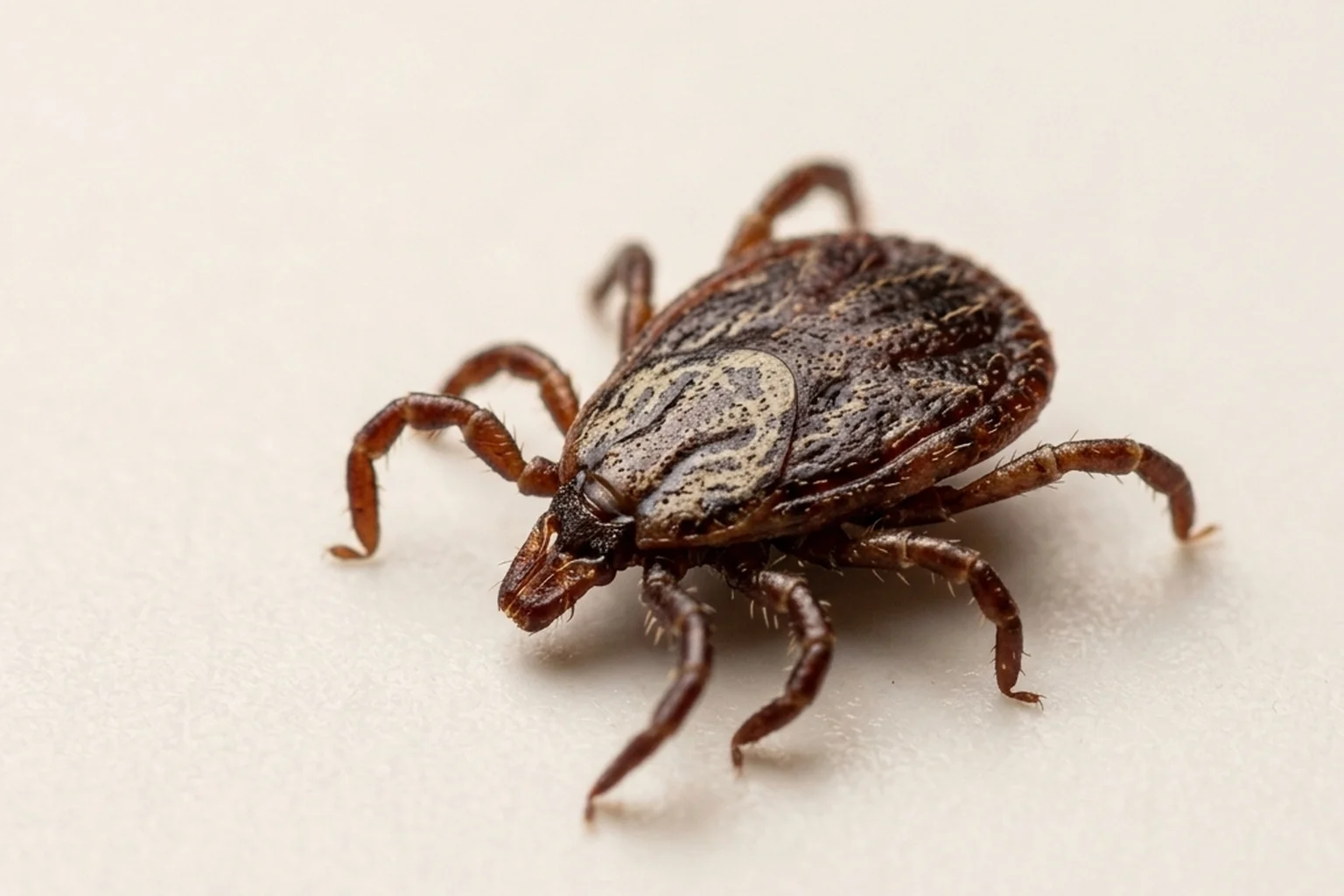
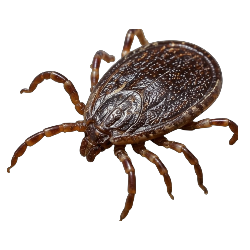
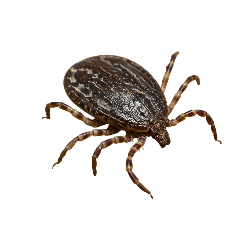
Ticks are small, blood-sucking external parasites (ectoparasites) belonging to the arachnid family, characterized by flat, oval, unsegmented bodies and eight legs in adult stages, but in Dubai you are highly likely to encounter species that range from reddish-brown domestic pests (Brown Dog Tick, 3–5mm flat, up to 12mm fully engorged) to large, highly robust desert parasites with distinct yellow-banded legs (Camel Tick, 6–10mm flat, up to 20mm engorged). Their slow-crawling movement on hosts and their physical attachment to animal ears, paws, and skin are key indicators. Correct species identification is the absolute first step to effective control—because indoor-dwelling Brown Dog Ticks require extensive wall and baseboard cracks treatments, whereas desert-associated Camel Ticks require exterior sandy perimeter acaricide treatments and livestock pasture proofing.
How Santera Help Get Rid Of Ticks
Tick infestations in Dubai villas, landscaped gardens, and stables represent a significant health hazard to both humans and animals—these external parasites transmit severe blood-borne pathogens, cause chronic anemia in pets, and can survive for months without feeding. DIY backyard spraying and supermarket collars fail to control infestations; ticks crawl into high wall crevices, baseboard junctions, and dry garden sands, nesting in massive numbers while their egg clusters remain protected inside hidden gaps.
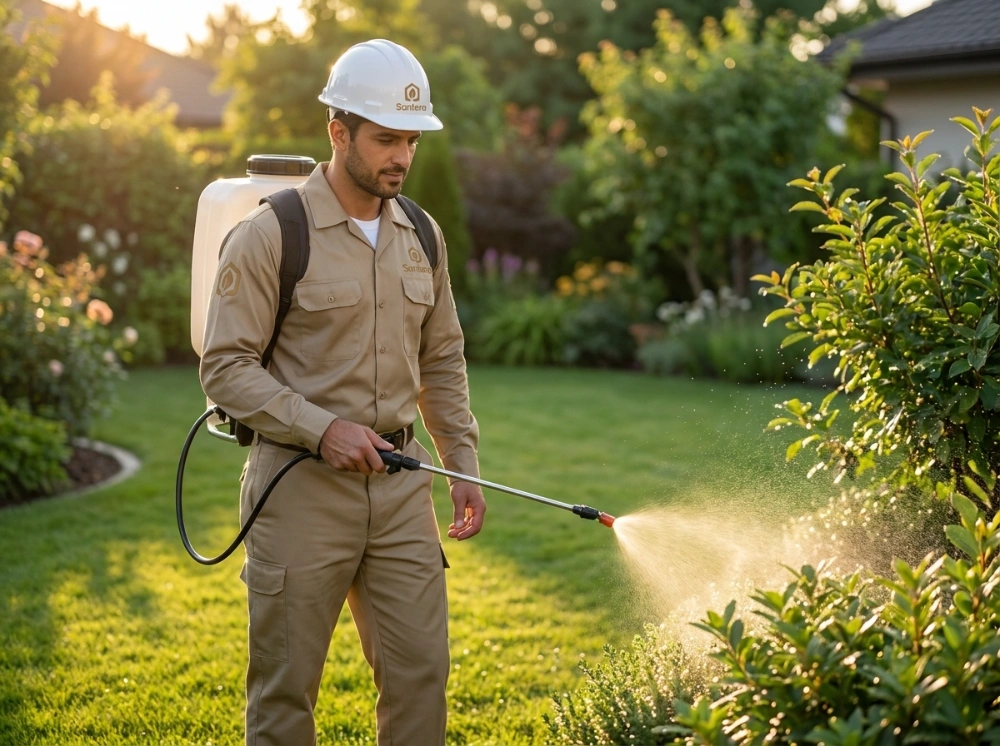
Santera's Dubai Municipality-licensed technicians provide highly professional, target tick control and preventative barriers. We apply premium, long-lasting acaricides directly to garden grass, gravel borders, and shaded sandy areas where ticks wait for hosts, combined with micro-encapsulated residuals along indoor skirting boards and wall expansion cracks where Brown Dog Ticks climb to lay eggs. We simultaneously coordinate with veterinary care to ensure household pets are treated. For equestrian clubs, stables, and luxury villas across Dubai, all treatments comply fully with public health regulations and environmental safety standards.
Professional analysis and scientific facts about the pests that matter. Explore our deep-dive resources to stay informed and one step ahead of infestations

Yes, ticks are incredibly resilient and can survive for several months—and in some cases, over a year—without a blood meal under favorable temperature and humidity conditions, allowing them to remain active in vacant properties.
Because DIY sprays lack the residual power and target penetration required to reach ticks hiding deep inside wall joints, dry sand, or thick grass roots. They also fail to address the indoor climbing behavior of Brown Dog Ticks, leading to rapid re-infestation.
Three primary species are encountered in residential, rural, and stable settings: the Brown Dog Tick (Rhipicephalus sanguineus), the Camel Tick (Hyalomma dromedarii), and the Cattle Tick (Hyalomma anatolicum).
Yes, Santera uses premium, Dubai Municipality-approved acaricides that are specifically formulated to be safe for family dogs and cats once the treated surfaces have completely dried. We coordinate treatments to ensure the safety of your family.
The Brown Dog Tick is uniquely capable of nesting and completing its entire breeding cycle indoors within residential walls, whereas other species require outdoor soil and vegetation to lay eggs and survive.
Use fine-tipped tweezers to grasp the tick as close to the skin's surface as possible and pull upward with steady, even pressure. Do not twist or jerk the tick, as this can break off the mouthparts, leaving them embedded in the skin and causing infections.