24/7 Pest Control in the UAE

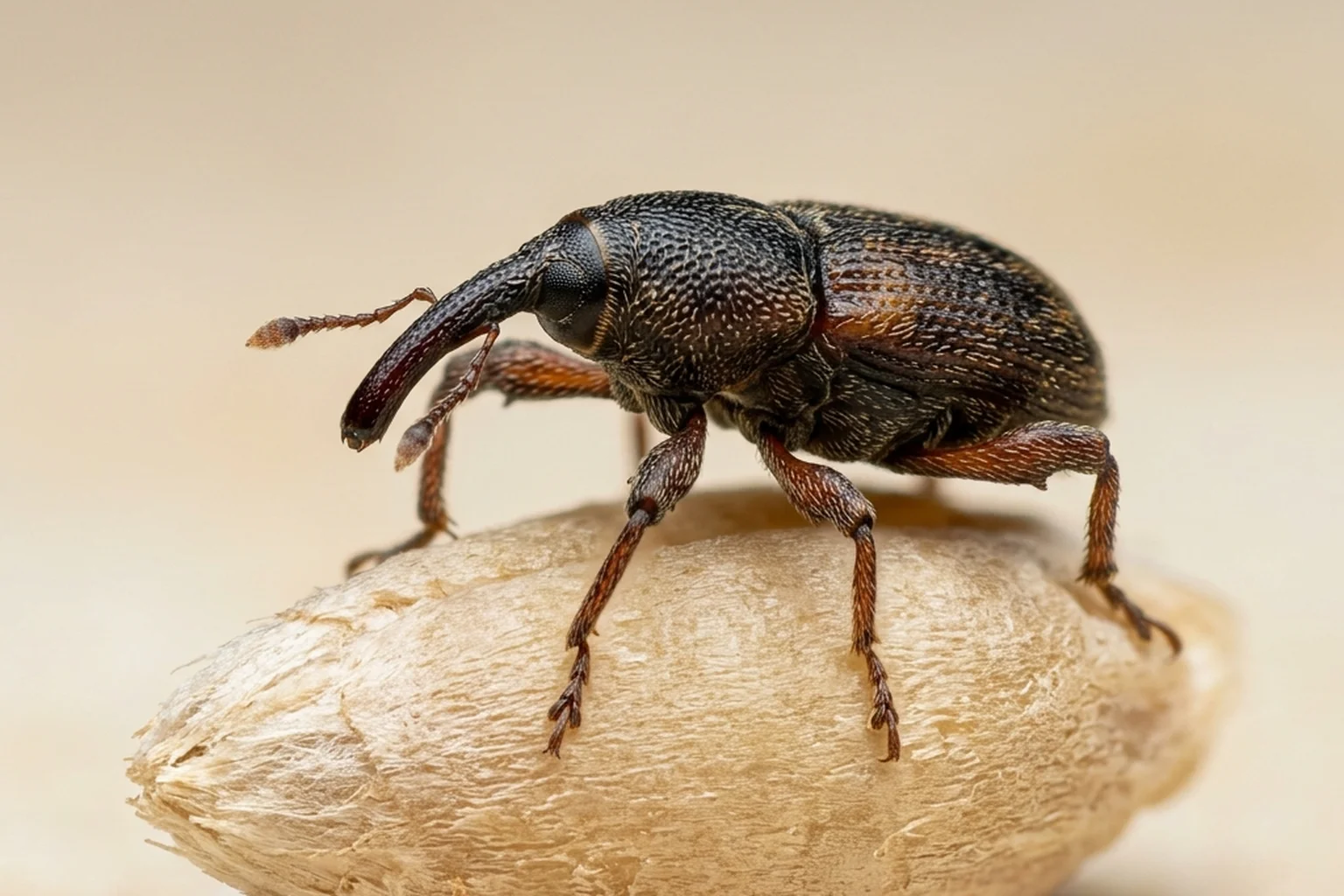
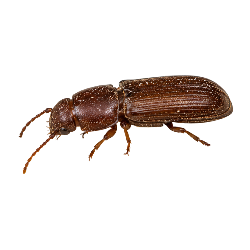
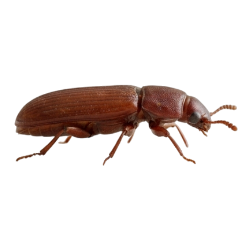
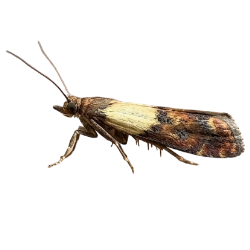
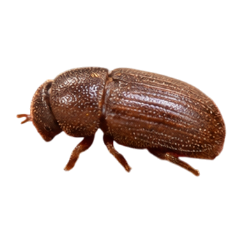
Stored product pests are a diverse group of beetles, weevils, and moths that feed on dry organic goods, characterized by their small sizes and specialized mouthparts adapted for boring or chewing, but in Dubai you are highly likely to encounter species that range from tiny, reddish-brown beetles with distinct clubbed antennae (Red Flour Beetle and Confused Flour Beetle, 3–4mm) to small moths with distinctive copper-red and grey wings (Indian Meal Moth, 8–10mm). Colors range from deep reddish-brown to dull black (Rice Weevil, featuring a distinctive snout). Correct species identification is the absolute first step to effective control—because grain-boring Rice Weevils require complete deep-freeze inventory sterilization, whereas surface-feeding Indian Meal Moths require extensive pheromone mating disruption traps and localized dry-heat treatments.
How Santera helps
Stored product pest infestations in Dubai villa pantries, commercial bakeries, and logistics warehouses present a critical threat to food safety and inventory value—these pests infest flour, grains, spices, dried fruits, and pet foods, quickly multiplying inside sealed packages. DIY insecticide sprays are highly dangerous and strictly prohibited near food items; they contaminate food preparation surfaces and stock while failing to reach the eggs and larvae burrowed deep within dry food bags.
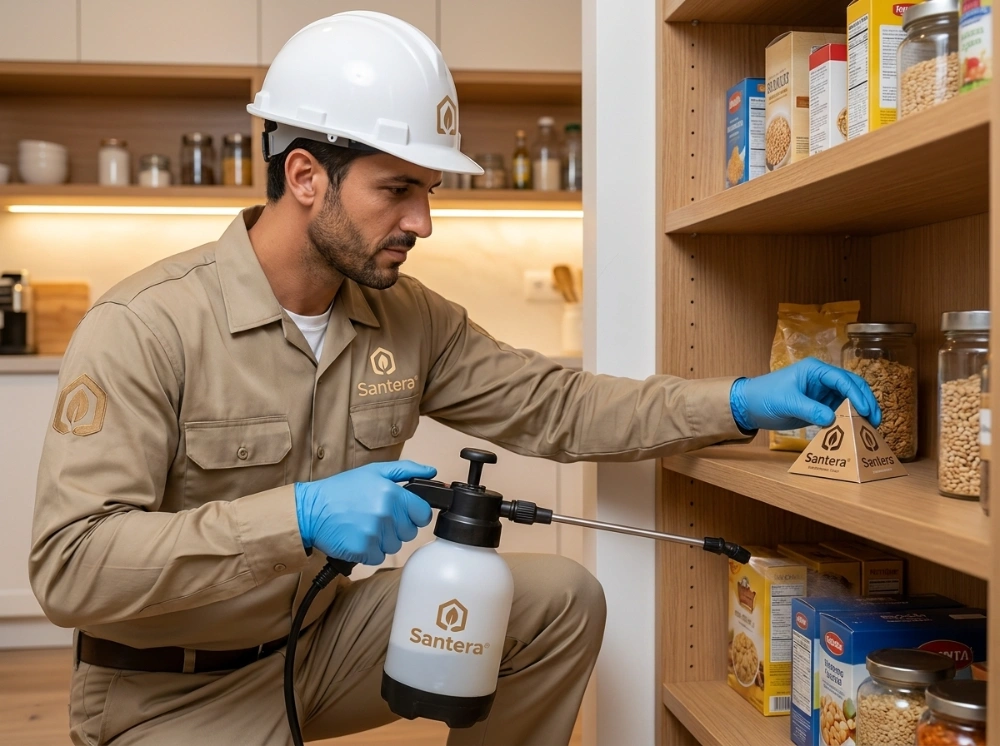
Santera's Dubai Municipality-licensed technicians deliver advanced, non-toxic, and highly targeted stored product pest management programs. We implement specialized pheromone monitoring traps to pinpoint the exact location and species of the infestation. We then coordinate with kitchen or warehouse managers to execute physical inventory disposal of contaminated stock, deep vacuuming of structural cracks, and dry-heat sanitization. For commercial food processing plants, bakeries, and F&B establishments across Dubai, all treatments are executed in absolute compliance with HACCP protocols, third-party audit standards, and Dubai Municipality food safety regulations.
Professional analysis and scientific facts about the pests that matter. Explore our deep-dive resources to stay informed and one step ahead of infestations

You can prevent them by inspecting all new food packages before buying, storing dry foods in thick glass or plastic airtight containers, keeping pantry shelves clean and dry, and rotating older stock regularly.
Because chemical sprays are highly toxic and cannot be applied near food products or preparation surfaces. Furthermore, sprays do not penetrate the sealed packages or deep food grains where the larvae and eggs are actively feeding and developing.
Five major species are commonly encountered in Dubai pest control: the Rice Weevil, Cigarette Beetle, Red Flour Beetle, Confused Flour Beetle, and the Indian Meal Moth, affecting both homes and commercial food chains.
Dry goods with high starch, protein, or sugar content are highly vulnerable—including flour, wheat grains, dry pasta, breakfast cereals, white rice, nuts, spices, dried fruits, chocolate, and dry pet kibble.
We utilize physical de-contamination, deep structural vacuuming, and localized high-temperature dry heat treatments. We also install specialized non-toxic pheromone glue traps to monitor and capture flying or crawling adults in food storage areas safely.
Those are likely Indian Meal Moths, which breed inside dry food packages like cereals, flour, nuts, and pet foods. The adult moths fly around searching for mates and new packages to lay eggs in, indicating an active larval infestation inside your pantry.