24/7 Pest Control in the UAE

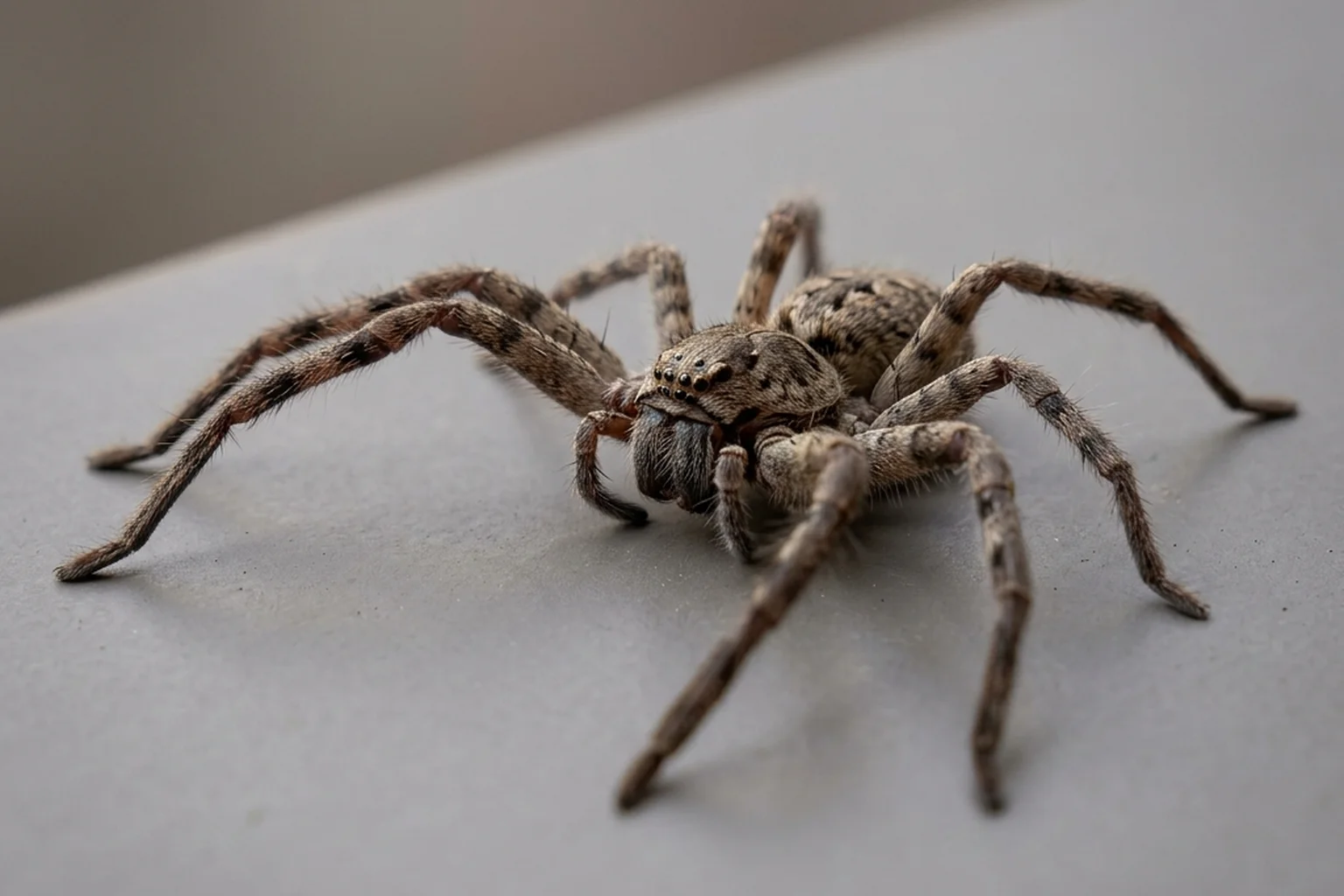
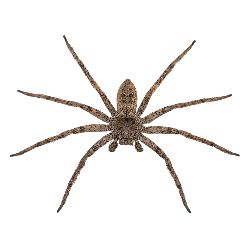
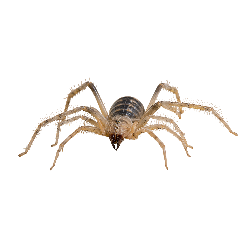
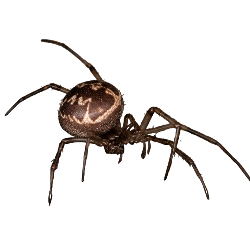
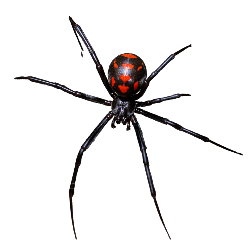
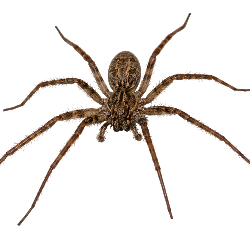
Spiders are eight-legged arachnids characterized by two distinct body regions (cephalothorax and abdomen), unsegmented bodies, and the ability to spin silk from abdominal spinnerets, but in Dubai you are highly likely to encounter species that range from small, glossy-black arachnids with distinct red hourglass abdominal markings (Black Widow, 10–15mm) to massive, hairy, and exceptionally fast predatory spiders (Huntsman Spider, up to 15cm leg span). Colors range from mottled brown (House Spider) to light-tan (Camel Spider). Correct species identification is the absolute first step to effective control—because highly venomous widow species require precise, localized spot treatments in dark, undisturbed areas, whereas large, active hunters like the Huntsman or Camel Spider require habitat modification and structural exclusion.
How Santera Help Get Rid Of Spiders
Spider infestations in Dubai villas and landscaped gardens escalate quickly during warmer months—these predatory arachnids spin unsightly webs along cornices, pergolas, and AC recesses, while venomous species hide in dark, undisturbed areas like garage corners and garden storage boxes. DIY sprays are highly ineffective because spiders do not groom themselves like insects, meaning they rarely absorb traditional liquid residues left on surfaces, allowing them to continue breeding unchecked.
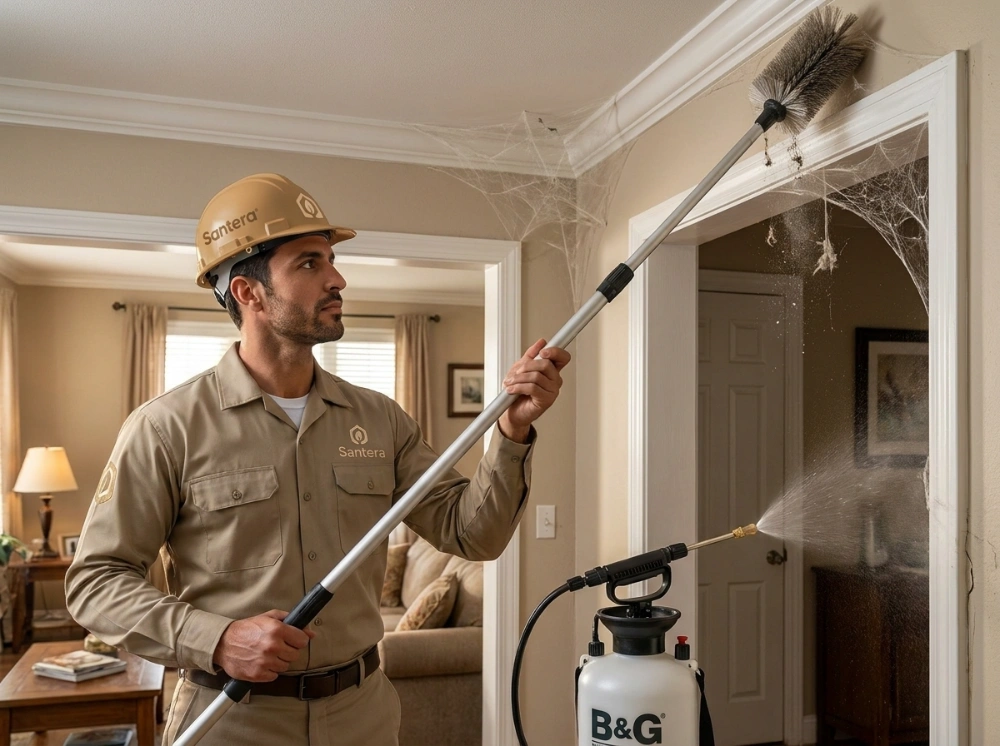
Santera's Dubai Municipality-licensed technicians deliver specialized spider control programs. We begin with a complete physical de-webbing service using specialized brushes to remove all active webs, egg sacs, and harborages. We then apply premium, micro-encapsulated residual barriers directly to wall-floor junctions, expansion joints, and dark corners; these microscopic capsules cling to the spider's legs and body on contact, successfully delivering the pesticide. For luxury residential estates and commercial clients across Dubai, all treatments are paired with structural exclusion to seal entry points permanently.
Professional analysis and scientific facts about the pests that matter. Explore our deep-dive resources to stay informed and one step ahead of infestations

Spiders hide in dark, quiet, undisturbed locations such as garage corners, storage boxes, closets, under garden furniture, behind curtains, and inside AC compressor recesses where they can spin webs safely.
Spiders walk with their bodies elevated and do not groom themselves, meaning they do not absorb traditional liquid sprays left on floors. Professional micro-encapsulated products are required because they physically cling to the spider's legs on contact.
Five major species are commonly encountered: the Black Widow, Brown Widow, Camel Spider, Huntsman Spider, and the Common House Spider. The first two are venomous, while the others are harmless nuisance pests or beneficial predators.
No, Camel Spiders are non-venomous and do not actively attack humans. They are extremely fast runners that seek out shade to escape the scorching desert heat, which can sometimes make it appear as though they are chasing a human's shadow.
Physical de-webbing removes the spider's structural habitat, traps active adults, and destroys their highly resilient silk egg sacs. Removing egg sacs is critical to preventing hundreds of new spiderlings from hatching and spreading throughout your property.
No, Huntsman spiders are completely non-venomous and harmless to humans despite their large, frightening appearance. They do not spin webs and actually act as beneficial predators by actively hunting and eating pest cockroaches in your garage and garden.