24/7 Pest Control in the UAE

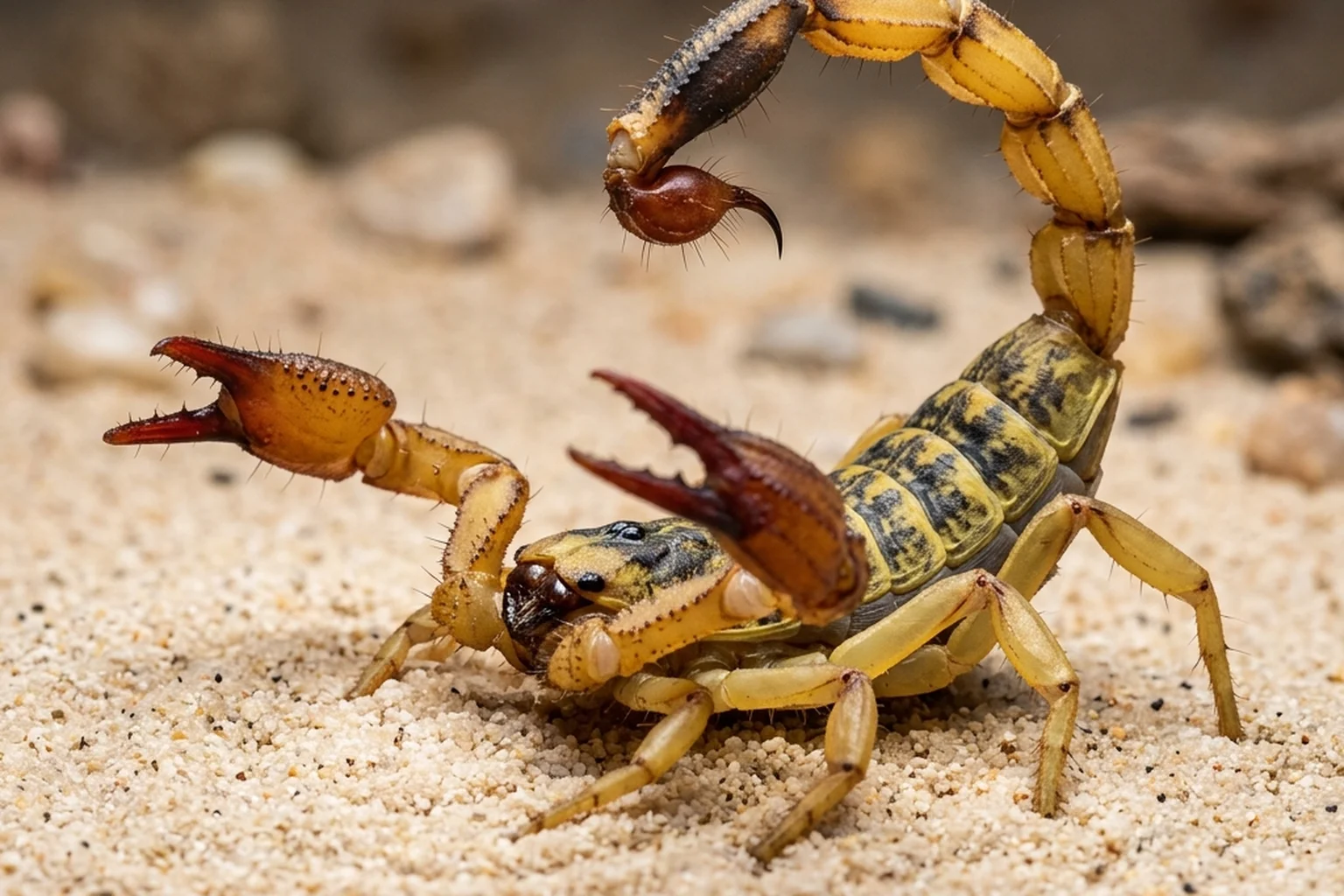
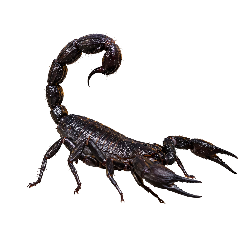
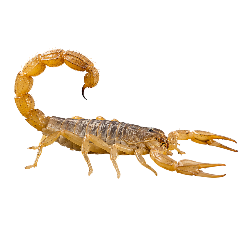
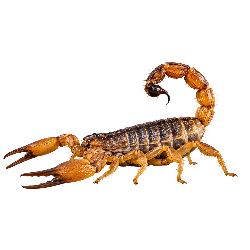
Scorpions are predatory arachnids characterized by an elongated body, a pair of grasping pincers (pedipalps), and a narrow, segmented tail curved over the back ending in a venomous stinger (telson), but in Dubai you are highly likely to encounter species that range from robust, jet-black arachnids with exceptionally thick tails (Arabian Fat-tailed Scorpion, 8–10cm) to slender, straw-yellow desert dwellers (Yellow Scorpion, 5–7cm). Colors range from dark brown-black (Black Scorpion) to translucent gold, and their nocturnal, crawling behavior under rocks and leaf litter is a key indicator of their presence. Correct species identification is the absolute first step to effective control—because highly venomous fat-tailed species require immediate, high-hazard chemical perimeter barrier applications and professional handling, whereas moderately venomous species require standard exclusion and habitat modifications.
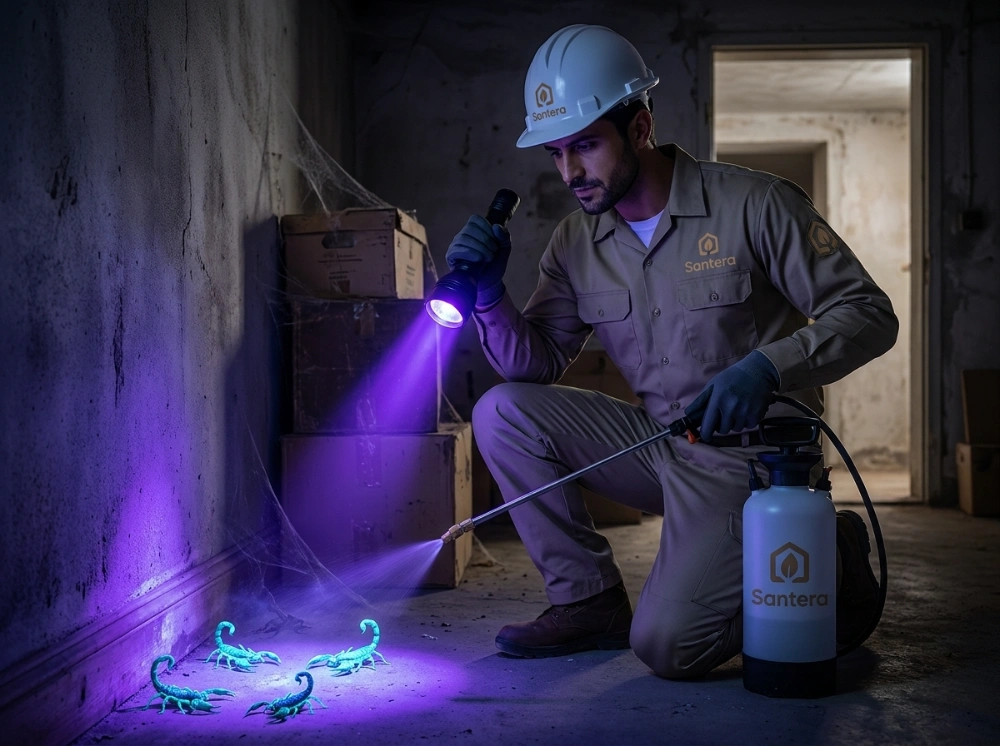
How Santera Help Get Rid Of Scorpions
Scorpion encounters in desert-bordering Dubai villas and irrigated gardens present a critical safety risk—these nocturnal arachnids crawl into gardens and homes in search of water, moisture, and insect prey, hiding in shoes, outdoor furniture, and expansion joints. DIY attempts to kill scorpions with standard supermarket sprays are highly ineffective and dangerous; scorpions have thick, waxy exoskeletons that repel standard water-based insecticides, and disturbing them can trigger highly painful, medically significant stings.
Santera's Dubai Municipality-licensed technicians deliver specialized scorpion control and preventative programs. We conduct intensive nocturnal inspections using specialized UV blacklight torches, under which scorpions naturally fluoresce bright neon-green. We apply professional-grade micro-encapsulated residual chemical barriers directly to the villa's exterior perimeter, expansion cracks, and garden weep holes; these particles adhere to the scorpion's legs and penetrate their tough cuticle on contact. We reinforce this with durable structural exclusion to physically block crawling entries.
Professional analysis and scientific facts about the pests that matter. Explore our deep-dive resources to stay informed and one step ahead of infestations

Scorpions enter properties in search of water, moisture, and insect prey, migrating from dry desert surroundings into cool, air-conditioned interiors. They frequently slip under poorly sealed garage doors, unsealed weep holes, or crawl inside open sliding patio doors.
No, while all scorpions possess venom and sting, only a few species in Dubai are medically significant and highly dangerous, most notably the Arabian Fat-tailed Scorpion. Other common species, like the Black Scorpion and Yellow Scorpion, deliver very painful stings but are generally not life-threatening.
The best way is professional nocturnal UV blacklight inspections combined with micro-encapsulated chemical barriers and structural exclusion. Santera locates hiding scorpions at night using UV torches, seals all foundation expansion joints, and applies specialized long-lasting insecticides that successfully penetrate their waxy exoskeletons.