24/7 Pest Control in the UAE

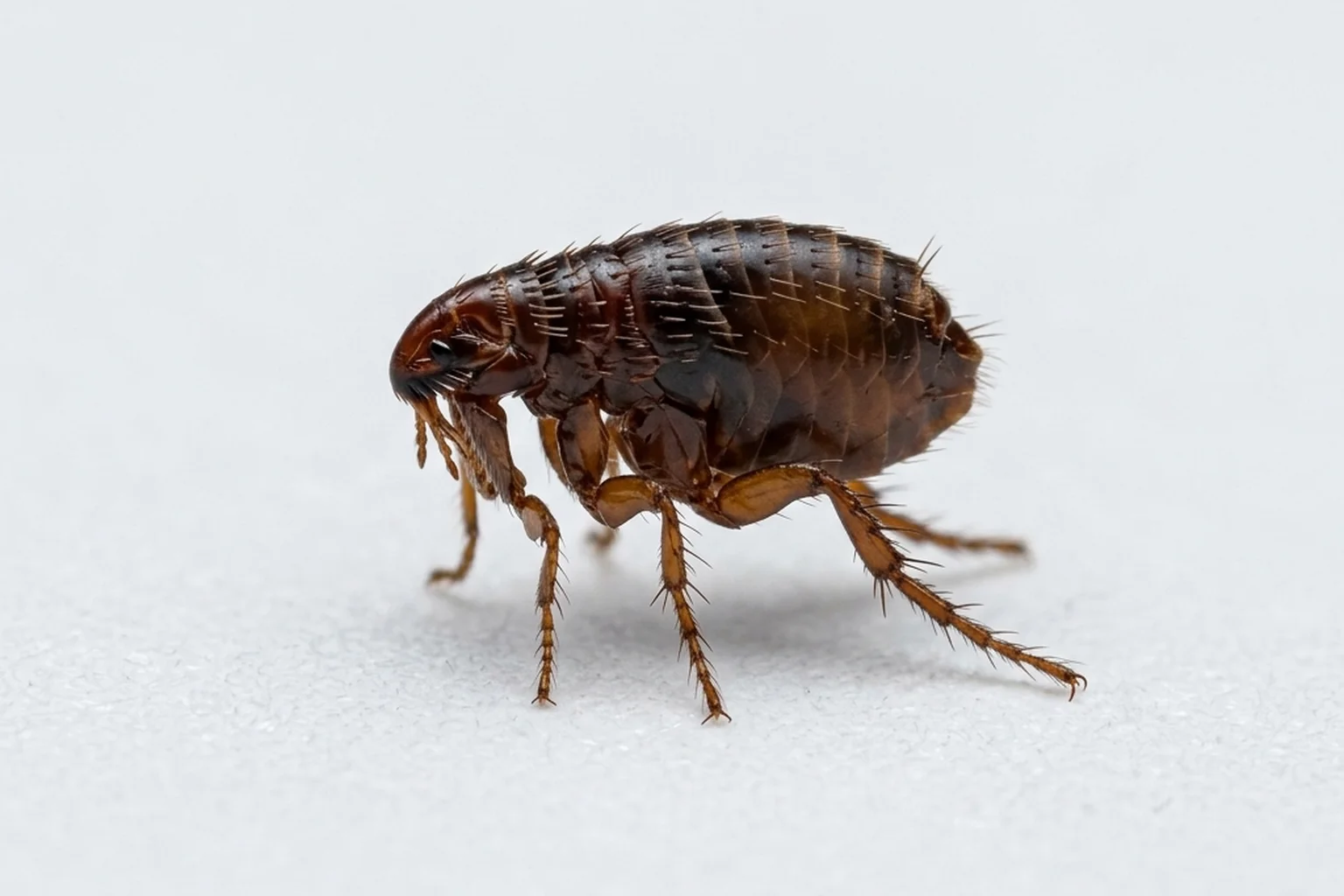
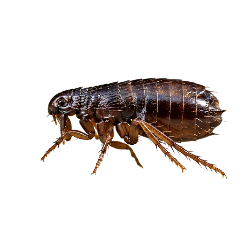
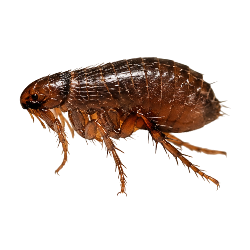
Fleas are tiny, wingless, flat-sided parasitic insects with exceptional jumping abilities, characterized by their reddish-brown or black coloration and backwards-pointing bristles that help them navigate through animal fur, but in Dubai you are highly likely to encounter species that range from common domestic parasites (Cat Flea and Dog Flea, 1.5–3mm) to highly dangerous public health vectors (Oriental Rat Flea, 2–3mm). Their rapid, jumping movements and constant biting of hosts' lower limbs are key indicators of their presence. Correct species identification is the absolute first step to effective control—because pet-associated Cat or Dog Fleas require extensive carpet and pet bedding treatments, whereas rodent-associated Rat Fleas require coordinated rodent eradication and crawlspace barrier treatments.
How Santera Help Get Rid Of Fleas
Flea infestations in Dubai villas, landscaped gardens, and pet-friendly residences scale at an alarming rate—these biting parasites lay hundreds of eggs that fall off pets into carpets, sofa seams, and outdoor lawns, hatching into crawling larvae. DIY flea sprays and cheap pet collars provide only temporary localized relief; they fail to break the complex breeding cycle, leaving millions of microscopic pupae protected inside cocoon casings to hatch and bite again weeks later.
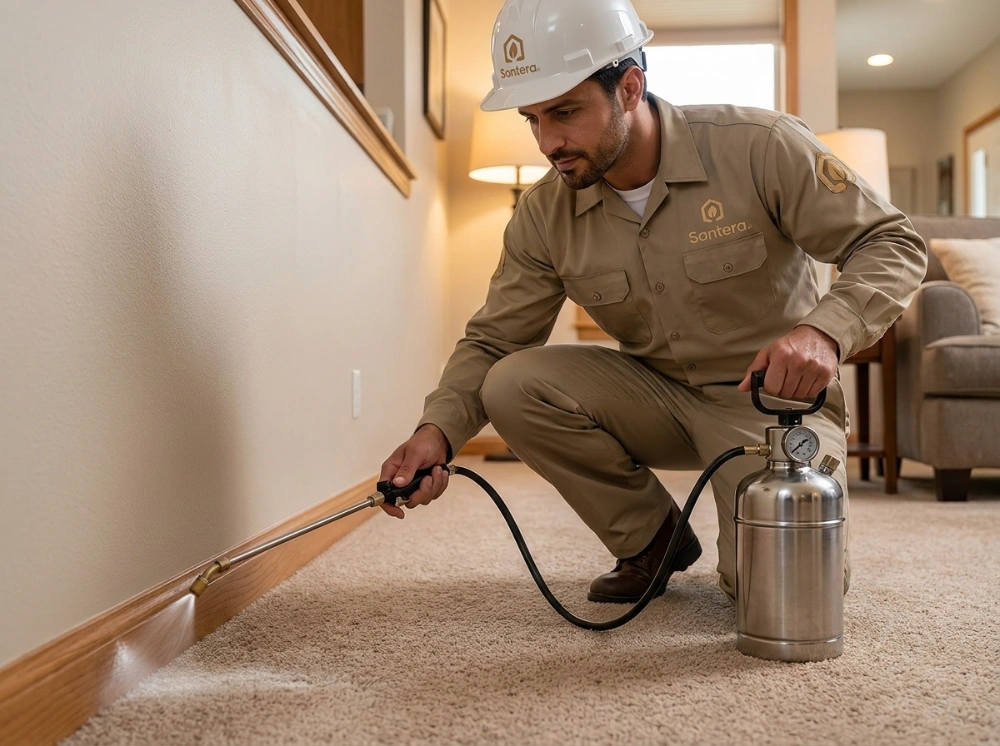
Santera's Dubai Municipality-licensed technicians deliver a comprehensive, dual-action flea eradication program. We treat all indoor carpets, rugs, and baseboards using professional-grade residual sprays combined with advanced Insect Growth Regulators (IGRs) that sterilize flea eggs and prevent larvae from pupating. We simultaneously treat outdoor sandy gardens and shaded lawn perimeters where fleas breed, while coordinating with homeowners to ensure pets receive veterinary flea treatment. For pet groomers, kennels, and residential estates across Dubai, all treatments are executed under strict health and environmental safety protocols.
Professional analysis and scientific facts about the pests that matter. Explore our deep-dive resources to stay informed and one step ahead of infestations

Because DIY supermarket sprays only kill adult fleas on contact, leaving the highly resilient egg, larval, and cocooned pupal stages unharmed. Without professional insect growth regulators and thorough perimeter treatments, these hidden stages hatch and revive the infestation within weeks.
Three major species are commonly encountered: the Cat Flea (Ctenocephalides felis), the Dog Flea (Ctenocephalides canis), and the Oriental Rat Flea (Xenopsylla cheopis), affecting residential villas and commercial pet facilities.
You should vacuum your carpets thoroughly daily starting 48 hours after treatment. Vacuuming is highly beneficial because the vibration and heat encourage mature flea pupae to emerge from their protective cocoons, exposing them directly to the active insecticide residues on the carpet.
Yes, certain species, particularly the Oriental Rat Flea, are primary vectors of dangerous diseases such as murine typhus and the plague, which they transmit from rodents to humans. All fleas can also transmit tapeworms to pets and cause severe skin dermatitis.
An IGR acts as insect birth control by mimicking natural growth hormones, preventing flea eggs from hatching and stopping larvae from developing into pupae. This is essential for permanent eradication because it targets the 95% of the flea population that are eggs and larvae.
Flea dirt consists of small, black, pepper-like flakes found on pet skin, pet beds, or carpets, which is actually dried flea feces. You can confirm it by placing the particles on a wet paper towel; if they dissolve and release a reddish-brown blood stain, it is flea dirt.