24/7 Pest Control in the UAE

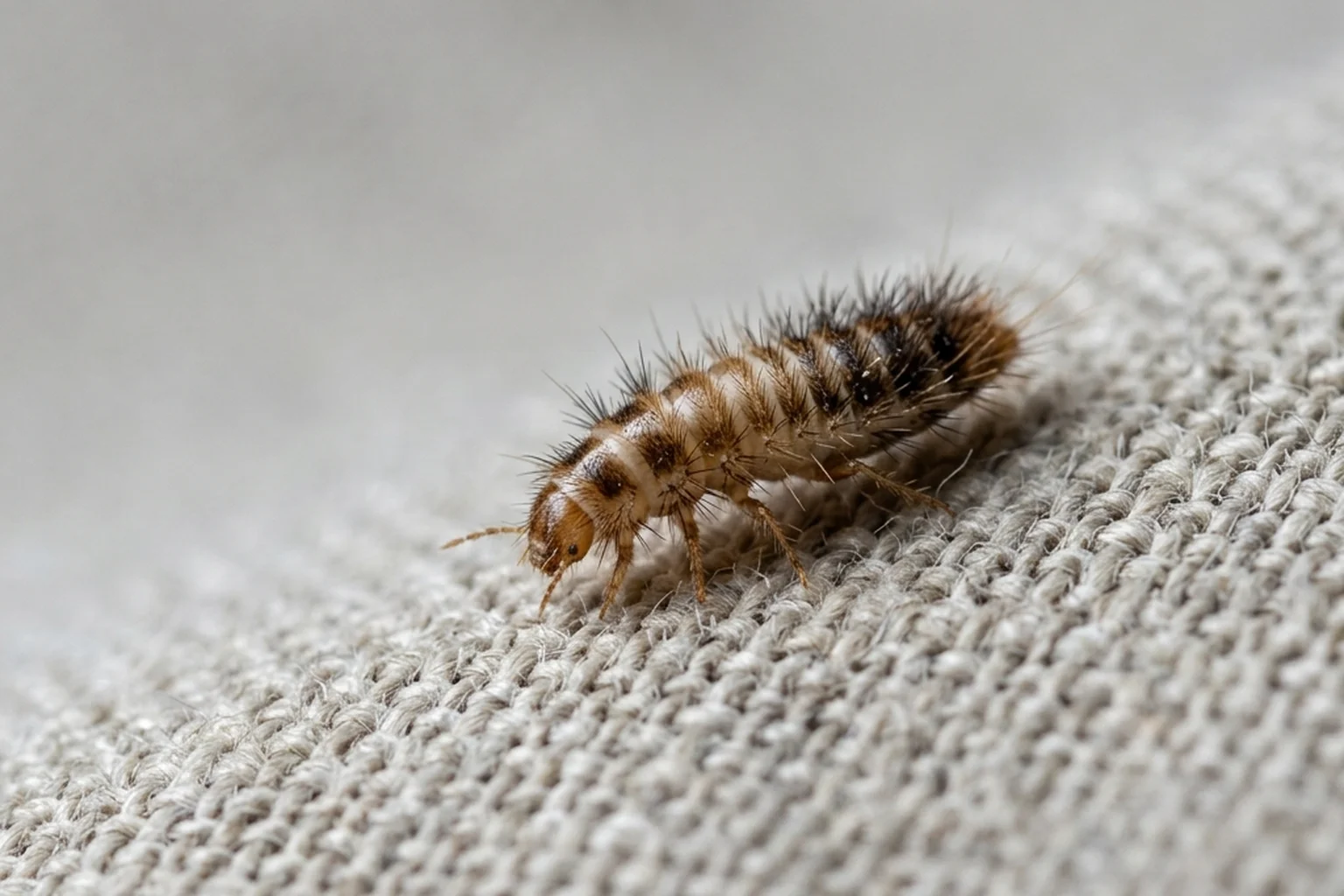
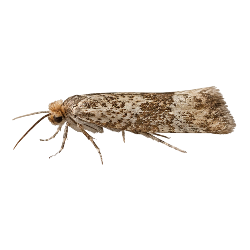
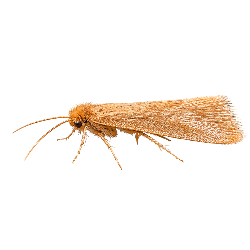
Fabric pests include various species of beetles and moths whose larvae feed on keratin, a natural structural protein found in animal-based materials, but in Dubai you are highly likely to encounter species that range from small, oval beetles with a mottled pattern of white, yellow, and black scales (Carpet Beetle, 2–3mm) to small, delicate golden-buff moths (Webbing Clothes Moth and Case-bearing Clothes Moth, 6–8mm wingspan). The destructive phase is actually the larval stage—appearing as bristly, golden-brown "woolly bears" (Carpet Beetle larvae) or tiny, white caterpillars spinning protective silk cases (Case-bearing Clothes Moth). Correct species identification is the absolute first step to effective control—because carpet beetles require extensive perimeter crack residual barriers, whereas clothes moths require targeted closet pheromone traps and specialized dry-steam textile sanitization.
How Santera helps
Fabric pest infestations in Dubai walk-in closets, custom carpet rooms, and high-end textile storages present a significant financial and material threat—these pests feed on expensive wool carpets, cashmere sweaters, silk garments, and leather goods, chewing irregular holes and ruining valuable designer collections. DIY aerosol sprays and grocery mothballs are highly ineffective and chemically toxic; they leave strong, unpleasant odors on clothing while failing to reach the hidden larvae and eggs burrowed deep inside plush carpet fibers and tight wardrobe hinges.
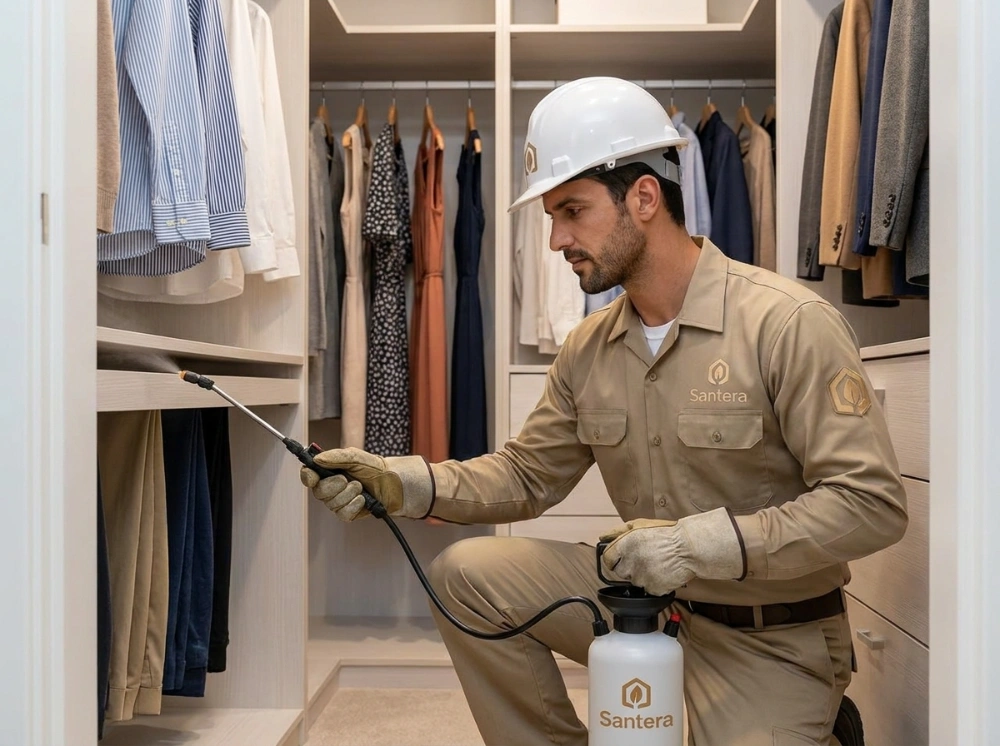
Santera's Dubai Municipality-licensed technicians implement highly specialized, non-toxic, and long-lasting fabric pest eradication protocols. We execute thorough de-contamination using advanced high-temperature dry steam (above 60°C) to instantly eliminate all insect life stages—including heat-sensitive eggs—on precious wool rugs, sofa joints, and wardrobe crevices. We then install professional-grade, pesticide-free pheromone monitoring traps and apply long-lasting micro-encapsulated residual chemical barriers directly to dark skirting boards and floor junctions. All treatments are executed under strict safety standards to protect your luxury home and delicate fabrics.
Professional analysis and scientific facts about the pests that matter. Explore our deep-dive resources to stay informed and one step ahead of infestations

Carpet beetles are introduced as flying adults that enter through open windows attracted by lights, or brought in on flowers and second-hand furniture. Once inside, they seek out dark, quiet areas with natural organic materials like wool rugs, feathers, and pet hair to lay eggs.
No, adult clothes moths do not possess functional mouthparts and do not feed on your clothes; their sole biological purpose is to mate and lay eggs. The actual damage is caused exclusively by the worm-like larvae, which feed constantly on natural keratin proteins in fabrics.
The best way is professional high-temperature dry steam sanitization combined with specialized micro-encapsulated residual barriers and pheromone monitoring traps. Santera uses dry steam to instantly eradicate larvae and eggs hiding in wool carpets and wardrobe hinges, while applying long-lasting chemical barriers to skirting boards to prevent re-infestation.