24/7 Pest Control in the UAE

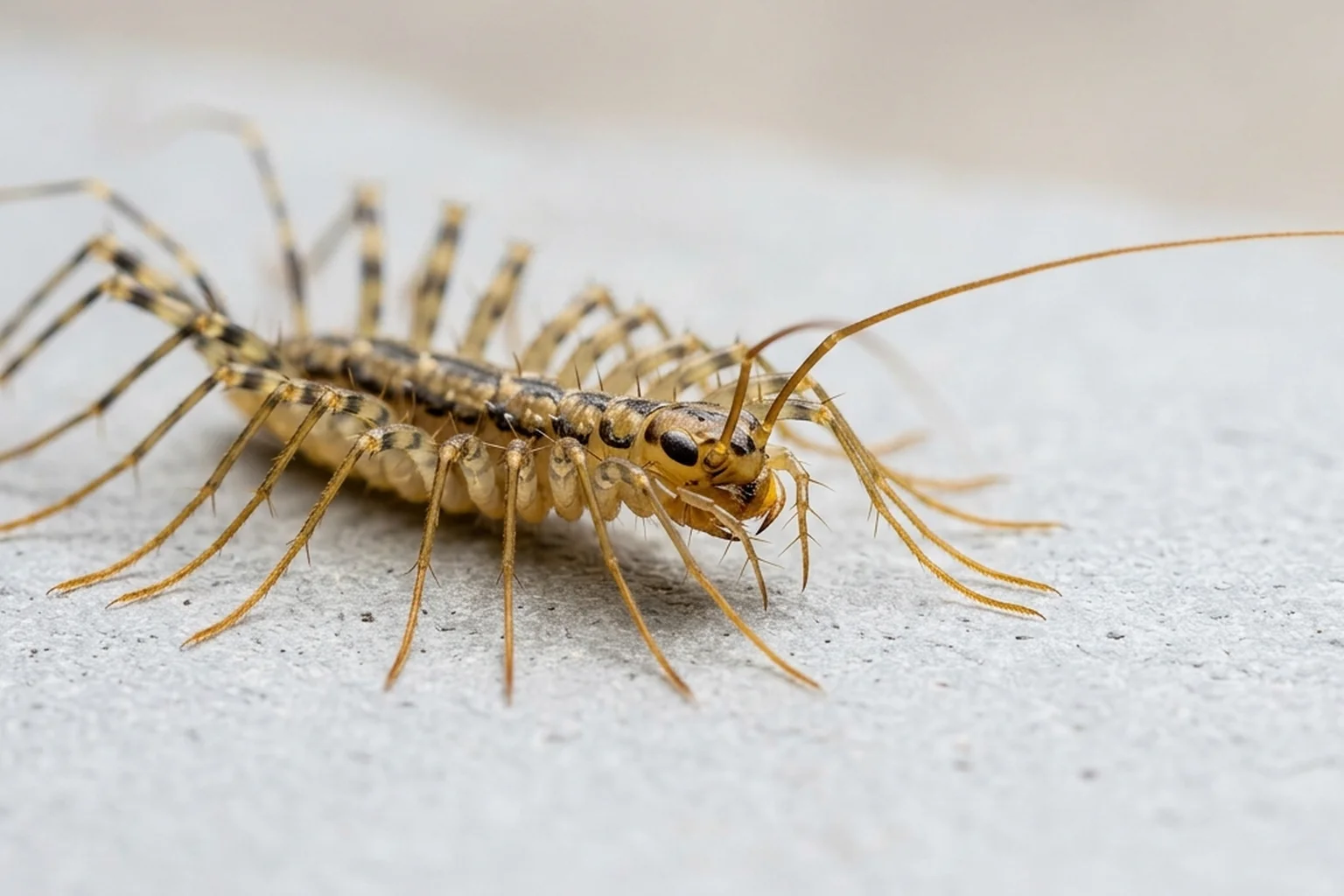
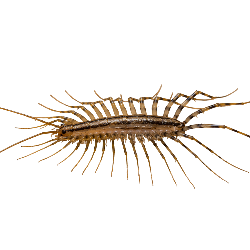
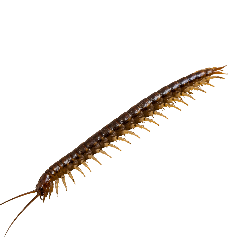
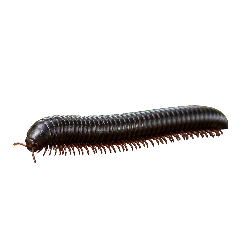
Centipedes and millipedes are multi-legged terrestrial arthropods characterized by elongated, segmented bodies, but they have major biological and physical differences; centipedes are flat-bodied, fast-moving predators with a single pair of legs per body segment and prominent venomous claws (forcipules) near their head, whereas millipedes are cylindrical, slow-moving detritivores with two pairs of legs per segment and no venom glands. In Dubai, you are highly likely to encounter species that range from robust, yellowish-brown desert hunters (Common Centipede, 10–15cm) and extremely fast, delicate, long-legged interior predators (House Centipede, 2.5–5cm) to massive, dark-brown detritivores (Giant African Millipede, up to 25cm). Correct species identification is the absolute first step to effective control—because venomous centipedes require targeted residual barrier spraying in dark cavities, whereas organic-feeding millipedes require sub-surface garden irrigation adjustments and compost heap management.
How Santera helps
Centipede and millipede infestations in Dubai villas and heavily irrigated gardens present a significant nuisance and safety concern—venomous centipedes hide in damp garden mulch, irrigation boxes, and bathrooms, delivering highly painful bites if stepped on or disturbed, while thousands of migrating millipedes can invade patios and doorways after heavy seasonal watering. DIY pesticide sprays fail to control these pests; their long legs keep their bodies elevated above treated surfaces, and their highly protected nesting areas deep within damp soil and stone crevices remain completely unaffected.
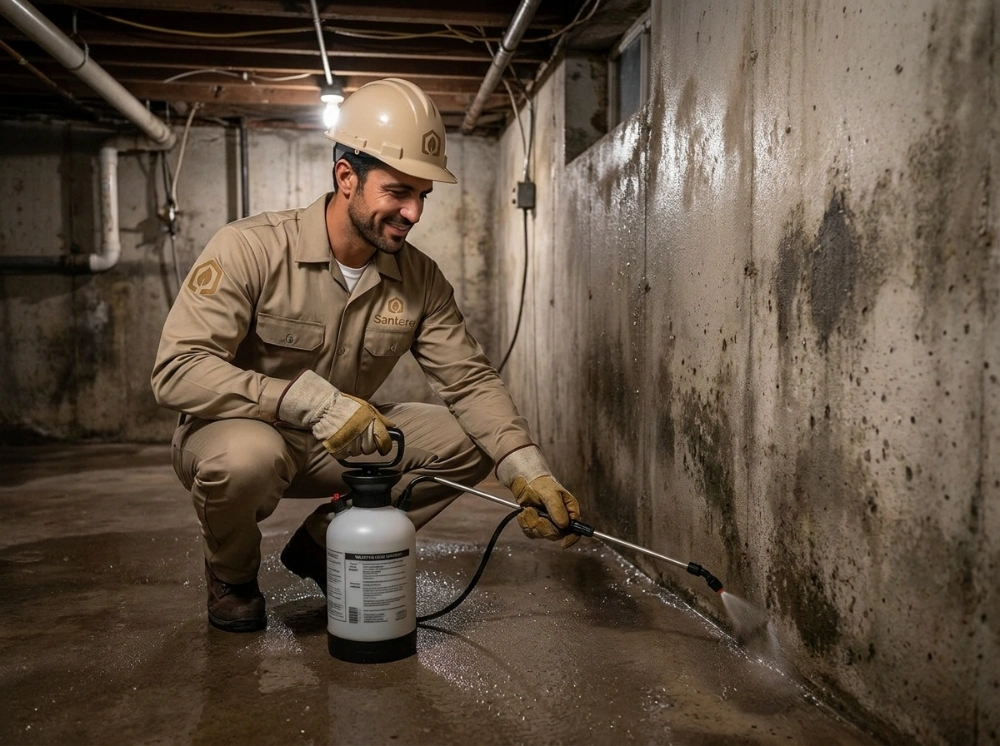
Santera's Dubai Municipality-licensed technicians deliver targeted, high-performance centipede and millipede eradication programs. We establish continuous, micro-encapsulated liquid residual chemical barriers directly to the villa's exterior foundation walls, lawn edges, and sub-decking cavities. We treat active garden soils and irrigation boxes with specialized, low-toxicity granular barriers that eliminate crawling pests before they can reach your home, combined with comprehensive structural proofing to seal entryway thresholds and weep holes. All treatments are safe for your family, pets, and ornamental garden landscaping.
Professional analysis and scientific facts about the pests that matter. Explore our deep-dive resources to stay informed and one step ahead of infestations

Yes, adjusting drip lines, letting the topsoil dry out between watering cycles, and clearing decaying leaf litter significantly reduces the moisture and organic food source that millipedes require to survive and breed.
Because DIY sprays only kill the few insects they hit directly on contact, failing to reach the massive populations nesting deep within damp soil, leaf litter, and stone gaps. Furthermore, their long legs keep their bodies elevated above sprayed surfaces.
Three major species are commonly encountered: the Common Centipede (Scolopendra spp.), the House Centipede (Scutigera coleoptrata), and the Giant African Millipede (Archispirostreptus gigas).
You can prevent entries by keeping garden mulch away from villa foundations, reducing lawn irrigation, installing tight-fitting door sweeps on all exterior doors, and sealing weep holes with fine stainless steel mesh screens.
The House Centipede acts as a beneficial natural predator inside homes, using its extreme speed to hunt and eat common household pests like baby cockroaches, silverfish, spiders, and termites, though its frightening appearance makes it a nuisance.
No, millipedes do not bite, do not sting, and do not possess venom glands. They are harmless detritivores that feed on decaying leaves and organic soil compost. Their only defense is rolling into a tight spiral and secreting a mild, yellow-brown defensive fluid that can cause minor skin irritation.