24/7 Pest Control in the UAE

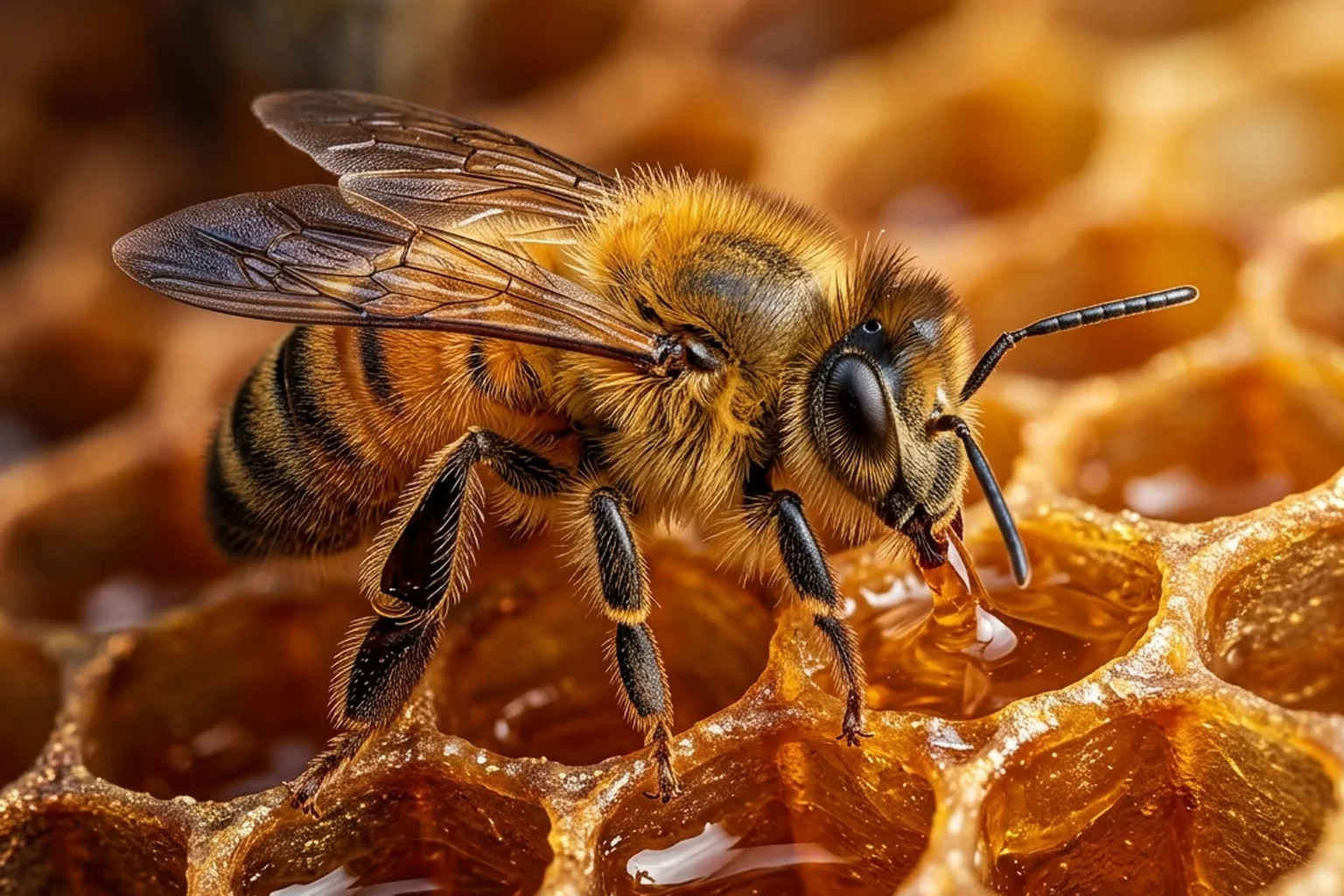
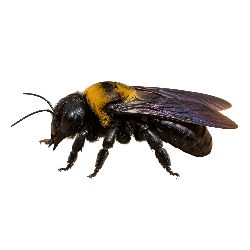
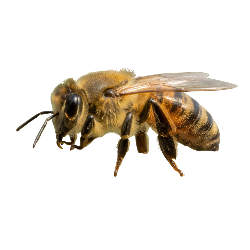
Bees are flying, pollen-gathering insects characterized by robust bodies covered in fine plumose hairs, two pairs of wings, and a distinct lack of the narrow pinched waist seen in wasps, but in Dubai you are highly likely to encounter species that range from small, golden-yellow striped social insects (Honey Bee, 12–15mm) to massive, glossy-black solitary wood-borers (Carpenter Bee, 20–25mm). Colors vary from typical amber-gold to dark metallic purple-black. Correct species identification is the absolute first step to effective management—because highly valuable Honey Bees require careful, non-toxic live vacuum extraction and safe relocation to local apiaries, whereas wood-boring Carpenter Bees require localized boring holes injection and durable timber sealing.
How Santera Help Get Rid Of Bees
Bee hives on Dubai villa roofs, pergolas, and garden trees can cause significant safety anxieties—while these insects are vital pollinators, large active Honey Bee swarms can establish massive hives containing tens of thousands of defensive workers that launch swarming attacks if disturbed. DIY attempts to spray hives with harsh pesticides or smoke them out are highly dangerous, illegal, and ecologically destructive, triggering immediate defensive swarms and multiple stings that can cause severe anaphylaxis.
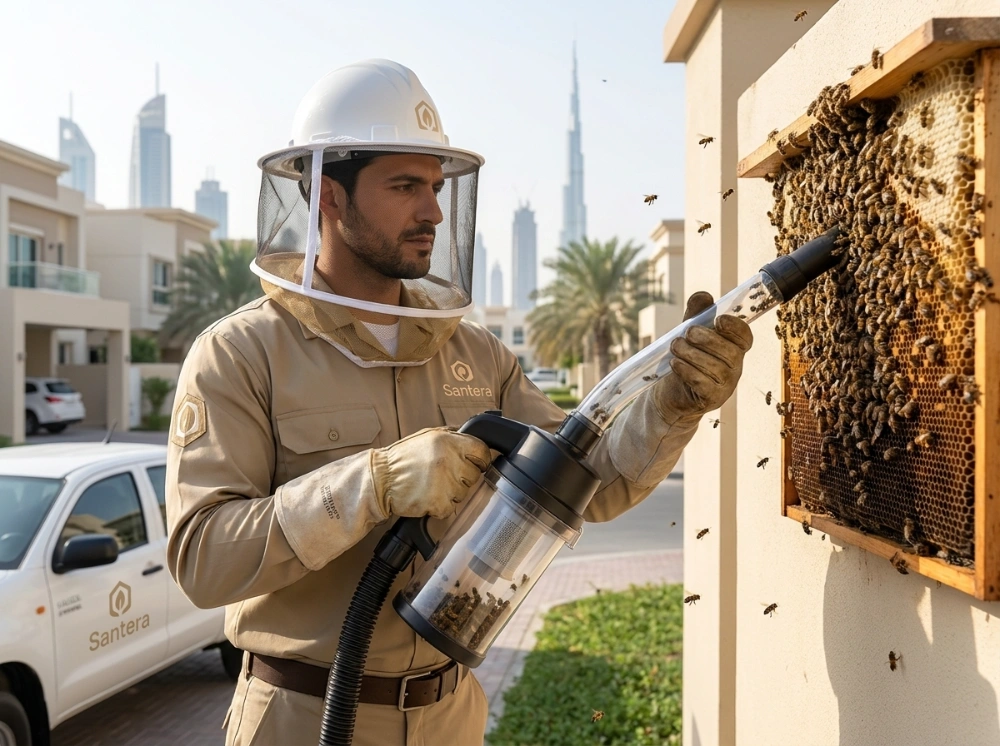
Santera's Dubai Municipality-licensed technicians prioritize eco-friendly and humane live bee relocations. Equipped with specialized, non-injurious live bee vacuum systems, protective suites, and transport hives, we safely extract intact honeybee colonies and relocate them directly to licensed local organic apiaries in the region, preserving these vital pollinators. For Carpenter Bees boring into pergolas and wooden joists, we apply targeted, eco-friendly treatments directly to their nesting tunnels, sealing the ports with durable wood putty to prevent structural rot. All works follow strict Dubai Municipality ecological and safety guidelines.
Professional analysis and scientific facts about the pests that matter. Explore our deep-dive resources to stay informed and one step ahead of infestations

Yes, our technicians locate the hive using thermal cameras, carefully open a section of plasterboard or fascia, safely extract the bees and combs using live vacuums, and thoroughly sanitize the void before sealing it to prevent future nesting.
Because bees are vital pollinators, and killing them destroys local ecosystems. Furthermore, spraying a hive inside wall voids leaves behind honeycombs that will melt and decay, attracting secondary pests and causing structural drywall stains.
There are two primary species commonly encountered: the Honey Bee (Apis mellifera), which forms large social hives, and the Carpenter Bee (Xylocopa pubescens), a solitary wood-boring insect.
Yes, the females bore half-inch round entry holes and excavate long nesting galleries inside dry wood, weakening pergolas, wooden railings, and roof fascia. If left untreated, these galleries invite moisture damage, fungal rot, and structural failure.
We use low-vacuum live-capture cylinders to safely gather the bees, gently retrieve the wax honeycomb structures containing the brood and honey, pack the colony into a transport hive box, and deliver them to a local beekeeping apiary.
Female Carpenter Bees possess stingers but are extremely docile, only stinging if directly handled or squeezed. Male Carpenter Bees do not possess a stinger but are highly territorial, frequently hovering near people to intimidate them, presenting no actual danger.