24/7 Pest Control in the UAE

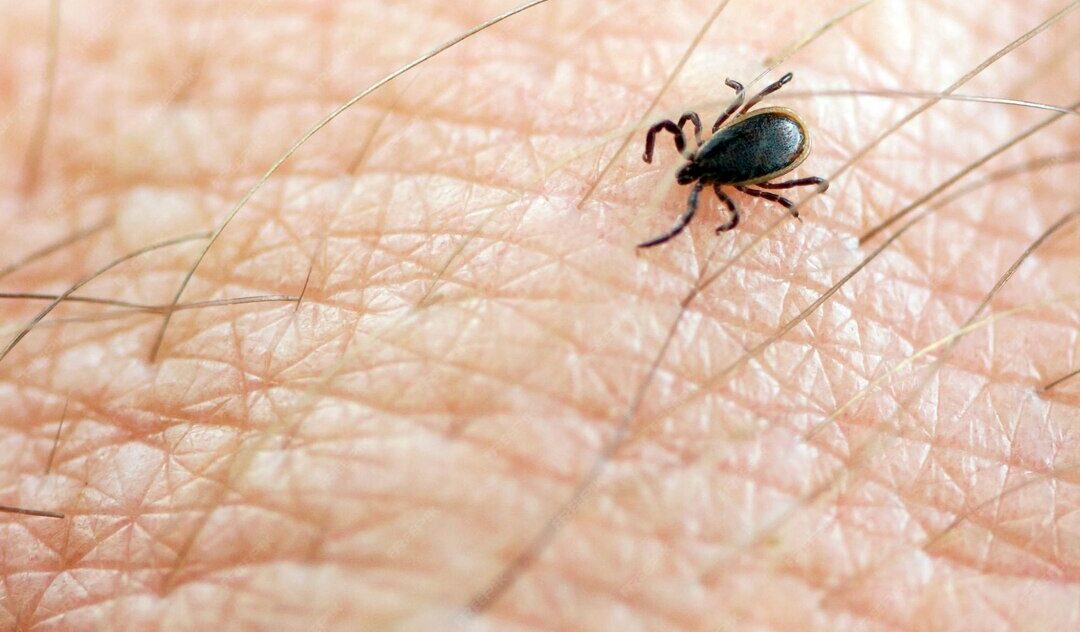





Keep grass short and create a dry barrier, such as a three-foot-wide wood chip or gravel border, between wooded areas and your lawn. This reduces the tick’s preferred humid habitat.
Yes, ticks can cling to clothing, blankets, or upholstery and survive for several days indoors. Washing clothes in hot water and vacuuming regularly helps prevent the spread.
Remove it carefully using fine-tipped tweezers, grasping it close to the skin, and pulling steadily without twisting. Clean the area with antiseptic and save the tick for identification if symptoms develop later.
Our treatments are designed to target and kill ticks in all active life stages (larvae, nymphs, and adults). We focus on common tick-harborage areas, such as perimeters and dense vegetation, to break the life cycle.
Some natural repellents, such as essential oils (eucalyptus or cedarwood), can help reduce tick populations but won’t eliminate an infestation. Professional-grade treatments are far more reliable for long-term control.
Some species, like the brown dog tick, can survive and reproduce indoors, especially in pet bedding, carpets, and cracks. That’s why a thorough professional treatment is important, not just pet grooming.


