24/7 Pest Control in the UAE

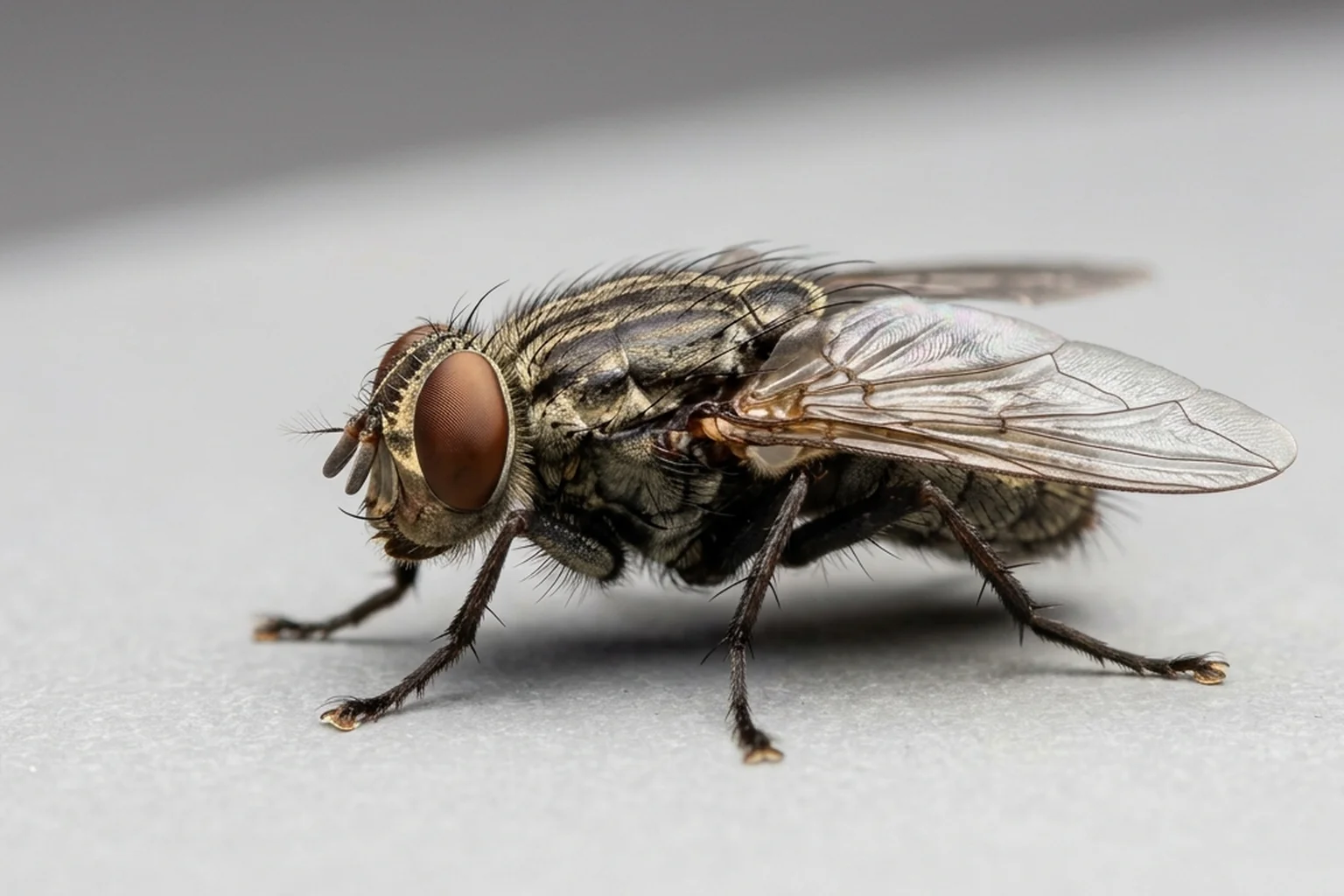





We use professional-grade Insect Light Traps (ILTs) indoors and specialized bait stations outdoors as monitoring and control tools. These are far more effective than a swatter, as they work continuously to reduce the population and confirm which species we are dealing with.
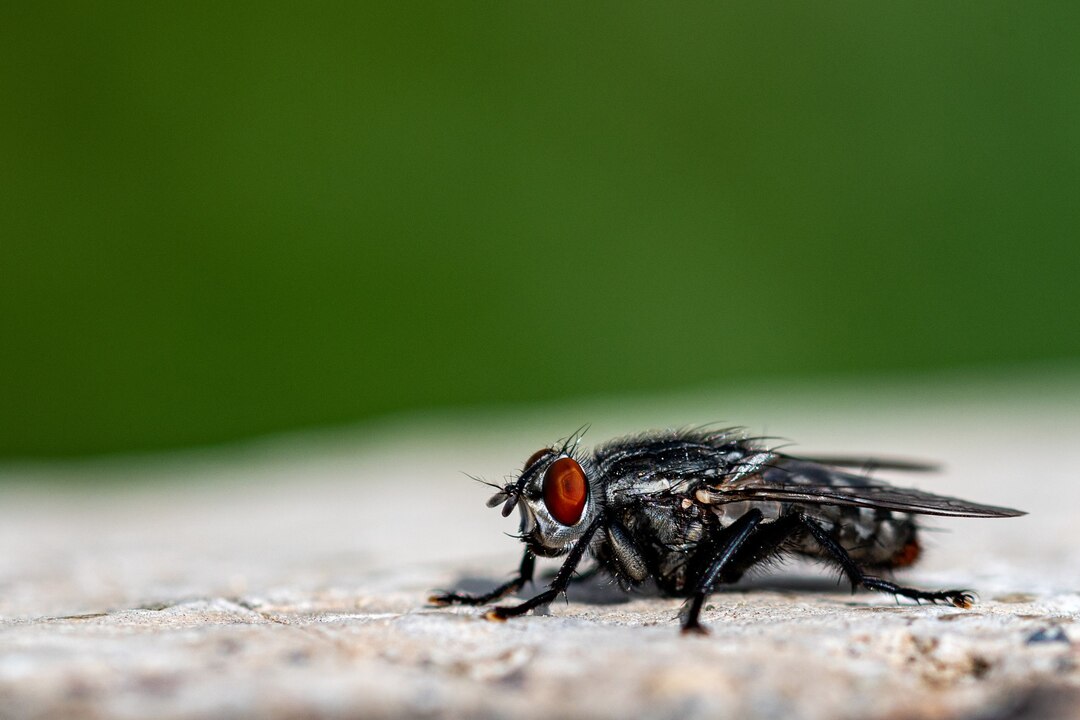
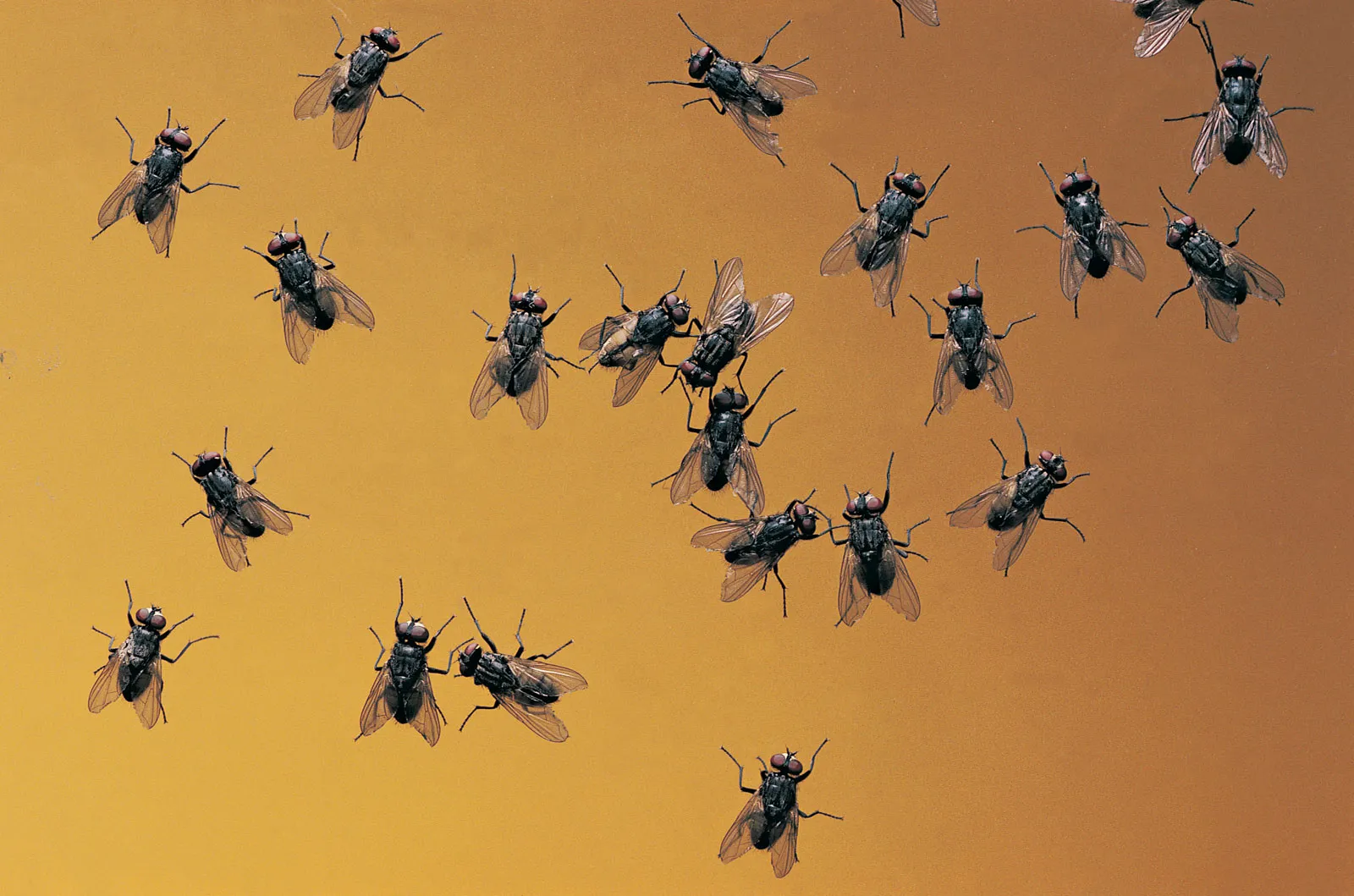
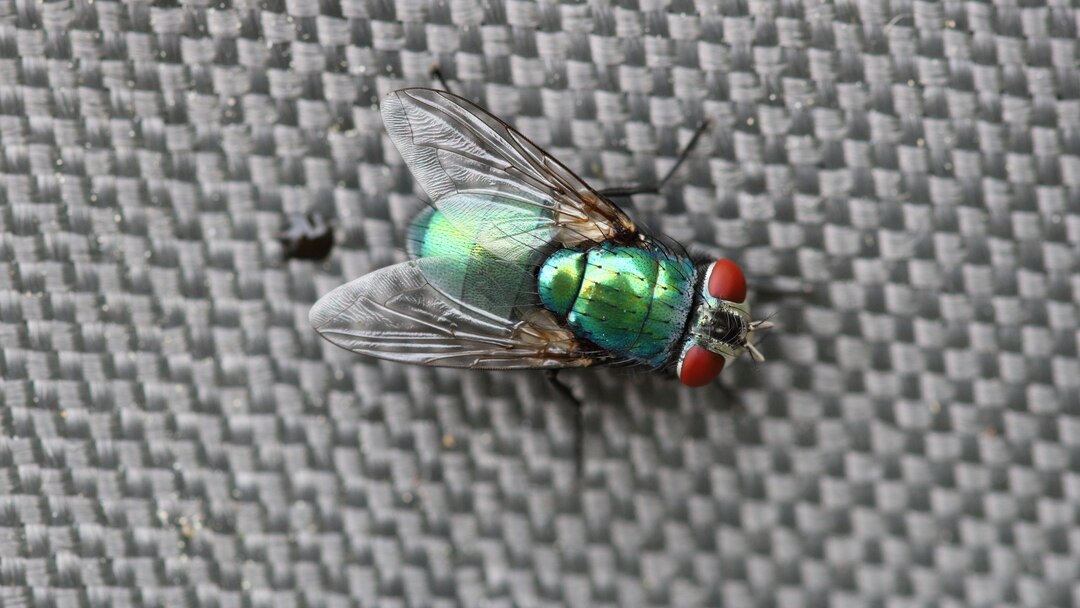
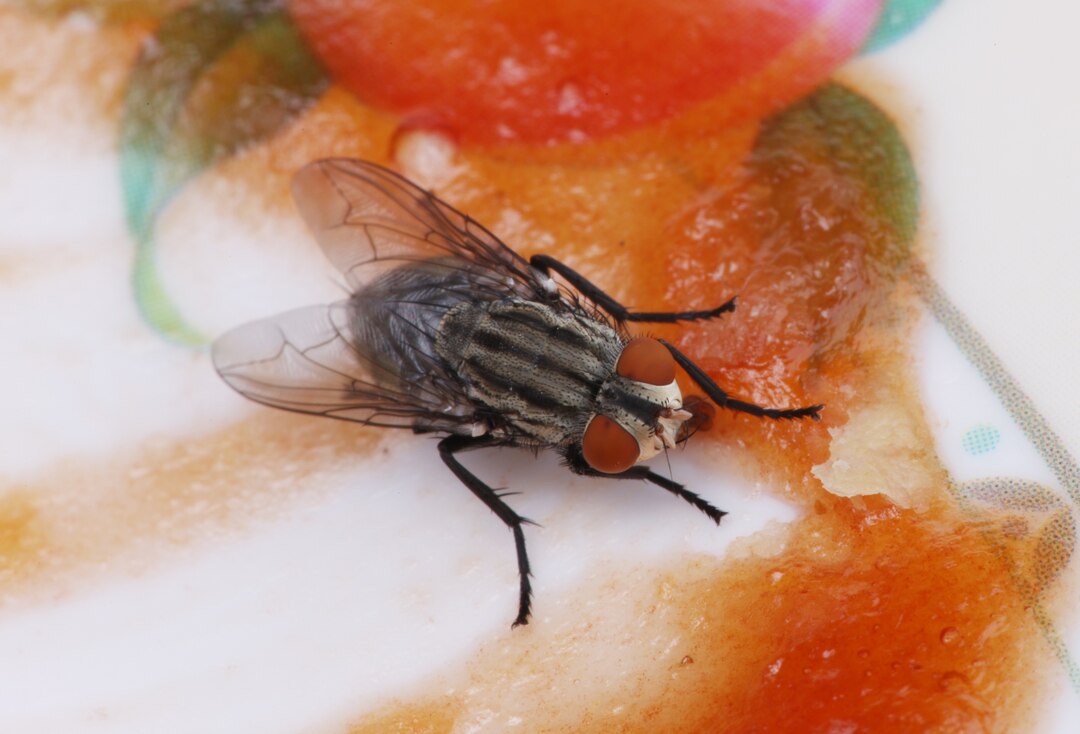
Proper identification is crucial, as control methods differ by species (e.g., house, drain, and fruit flies). We’ll inspect size, color, resting behavior, and locate their likely breeding source to determine the exact species.
There might still be a hidden breeding source, like a drain, compost, or pet waste area. Professionals can inspect and locate these unseen hotspots for complete eradication.
Absolutely. Food waste, grease, and moisture make commercial kitchens ideal breeding grounds for flies. Professional pest control ensures compliance with hygiene standards and prevents reputational damage.
Yes. Flies lay eggs on moist organic matter like garbage, drains, or food scraps. The larvae (maggots) can appear within 24 hours, which is why timely cleaning and treatment are crucial.
Yes, certain types, like drain flies, breed in organic sludge that builds up in drains. Professional drain cleaning or targeted treatments can eliminate their breeding grounds.