24/7 Pest Control in the UAE

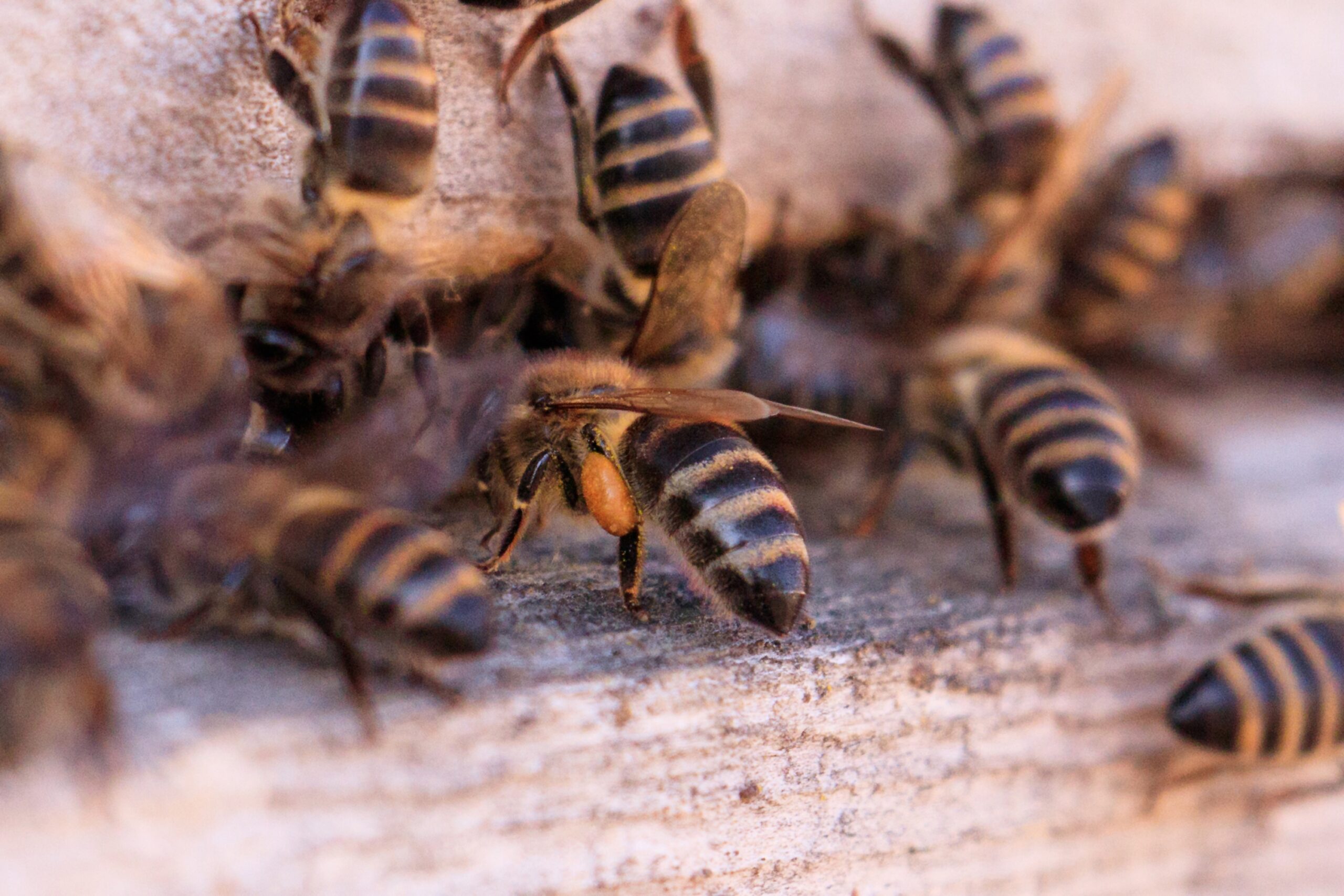





Yes, our technicians are licensed, insured, and specially trained in identifying different species and employing the safest, most effective, and often live-removal techniques required for stinging insects.
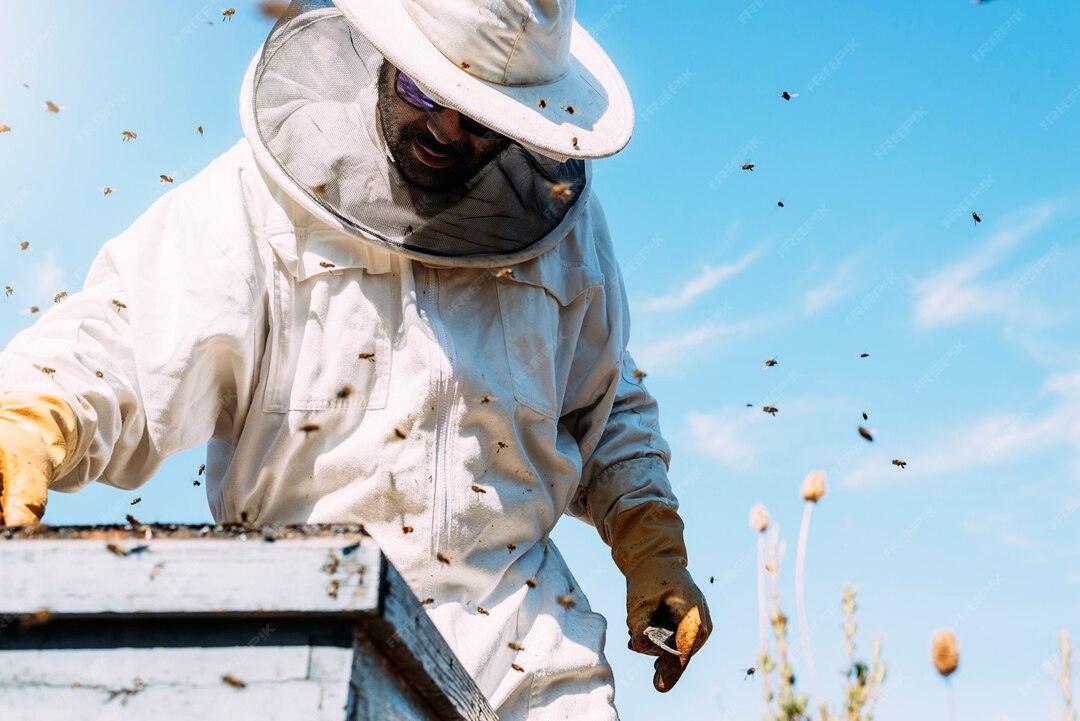
Absolutely. Most ethical pest control services partner with local beekeepers to relocate colonies safely, ensuring both public safety and environmental conservation.
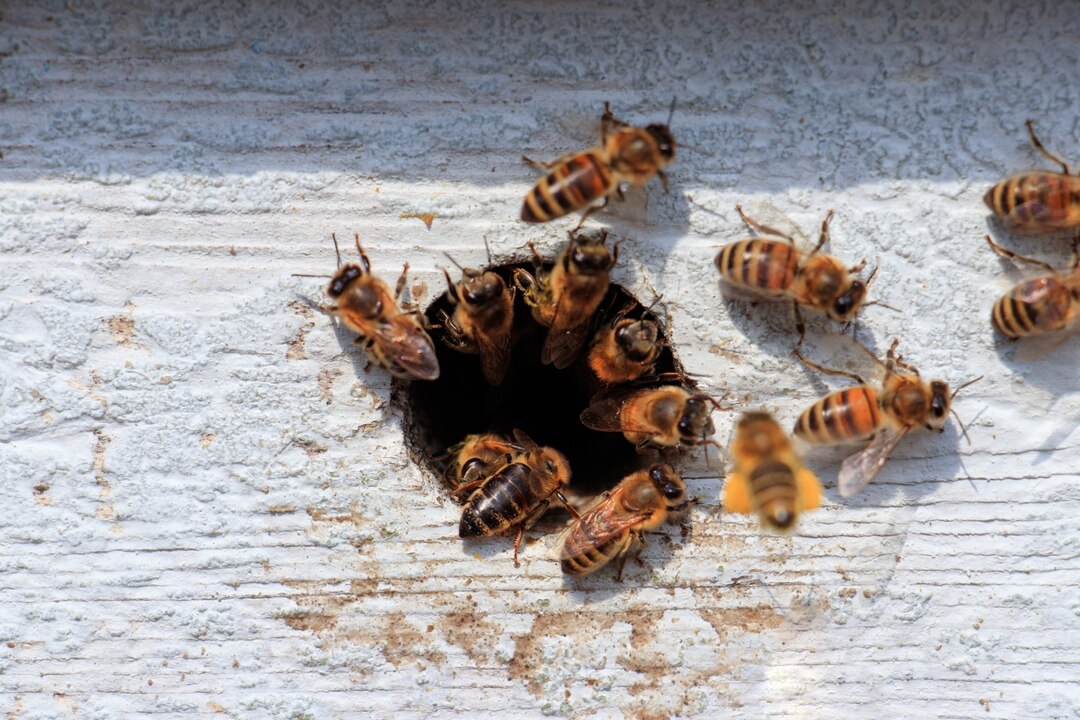
Yes. Bees nesting inside walls or attics can damage insulation and create sticky honey leaks that attract other pests. Early removal helps avoid structural issues and expensive repairs.
The best prevention is routine inspection and sealing any small openings in soffits, eaves, and around utility lines during the fall and winter. Treat or paint exposed wood to deter carpenter bees.
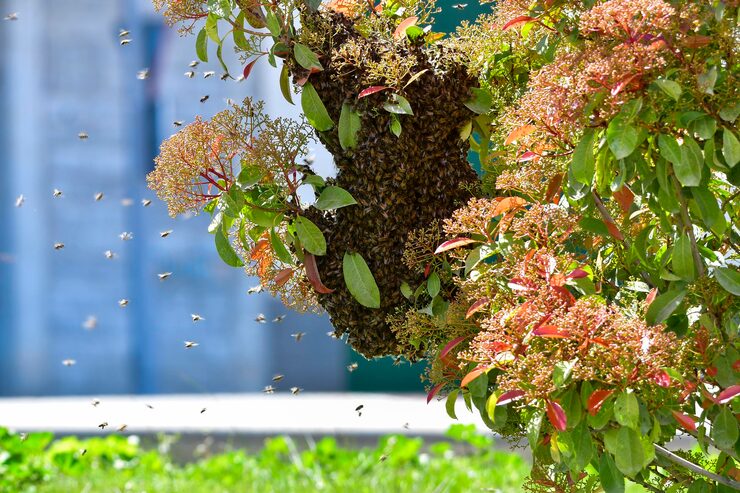
A bee colony can expand rapidly, and sometimes to tens of thousands within weeks. That’s why swift professional action is key to avoiding large infestations.
You can use scents like citronella, peppermint, or garlic to temporarily discourage bees. However, these are short-term measures. Professional removal ensures long-term safety.