24/7 Pest Control in the UAE

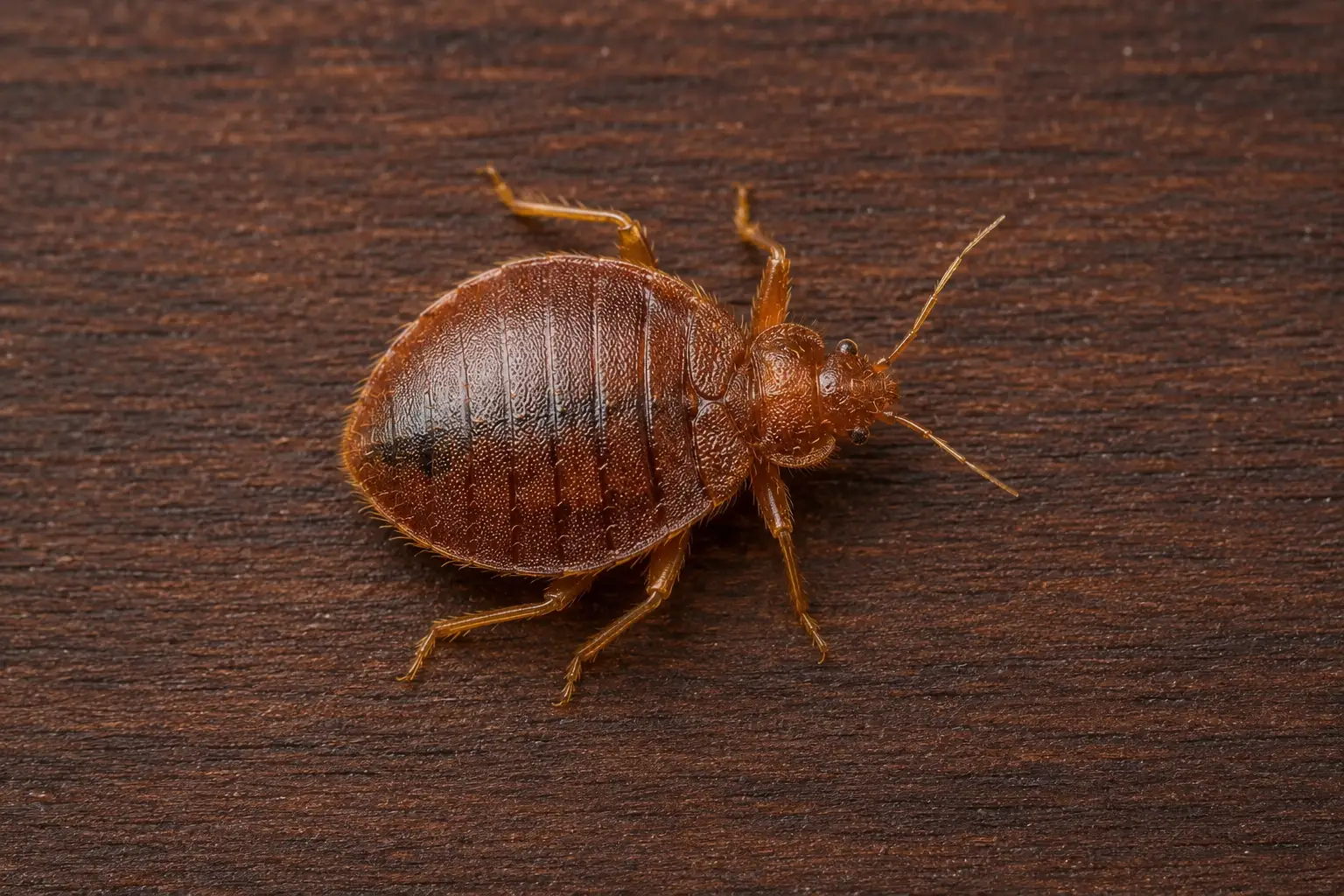
The Tropical Bed Bug is well adapted to hot climates, which makes Dubai a near-perfect environment for it. It behaves much like the common bed bug — hiding in mattress seams, bed frames, furniture, and cracks, then feeding on blood at night — but its preference for warmth means it can breed even faster in Dubai's conditions. It spreads through apartment buildings and hotels via wall voids, shared items, and luggage. As with all bed bugs, DIY sprays fail to reach the hidden eggs and harbourage, and disturbing them risks spreading the infestation to adjacent rooms and units.
Santera's Dubai Municipality-certified technicians eliminate Tropical Bed Bugs with a detailed inspection and a combined heat and targeted residual treatment that destroys eggs, nymphs, and adults throughout the room. We provide clear preparation guidance and follow-up checks to confirm the infestation is gone. For Dubai's hotels, serviced apartments, and residential towers, we coordinate discreet, building-aware treatment in line with Dubai Municipality standards.
Get to know the physical signs and behavioral patterns associated with this species. Knowledge of these specific traits helps in maintaining a secure and pest-free environment.
Santera provides Pest control and prevention across Dubai, with primary service coverage in:

Santera gets rid of Tropical Bed Bugs in Dubai with a Dubai Municipality-certified process: our technicians inspect to find the every harbourage point, including eggs and entry points, apply targeted treatment that eliminates the problem at its source, and put prevention measures in place so it doesn't come back. For restaurants, hotels, and food businesses, all work follows HACCP protocols and Dubai Municipality standards.
You can try, but DIY rarely solves a Tropical Bed Bug problem in Dubai for good. Shop-bought sprays and home remedies tend to deal with what you can see while missing the eggs and bugs hidden in seams, frames, and cracks, so the problem returns. Lasting control means targeting the source — which is where professional treatment makes the difference.
Because the source survives. Females lay several hundred eggs over their lifetime, cemented into cracks and crevices. In Dubai's warm conditions eggs hatch and nymphs mature rapidly, enabling quick population growth and reinfestation if eggs survive incomplete treatment. That's exactly why surface sprays and one-off DIY fail — they hit what's visible while the source keeps producing more, so lasting control has to target the source, not just the symptoms.
Watch for Tropical Bed Bugs themselves and the signs they leave. Tropical Bed Bugs are small, flat, oval, reddish-brown insects about 4–7mm long, virtually identical to the common bed bug to the naked eye. Tropical Bed Bugs are nocturnal and shelter by day in cracks and seams close to sleeping areas. They leave the same signs as common bed bugs — dark faecal spotting, shed skins, and blood smears on bedding. Catching it early, before numbers build, makes treatment far easier.
Yes — Tropical Bed Bugs bite, feeding on blood at night. They don't transmit disease but cause itchy welts, possible allergic reactions, and significant sleep loss, and they breed fast in Dubai's heat.
Tropical Bed Bugs feed exclusively on blood, strongly preferring humans, and feed at night while people sleep. They locate hosts by body heat and carbon dioxide. They can endure long periods without feeding, allowing them to persist in unoccupied Dubai rooms until a new host is available. Cut off these food, water, and shelter sources and you remove what draws them in — but an established population still needs targeted treatment to clear fully.