24/7 Pest Control in the UAE

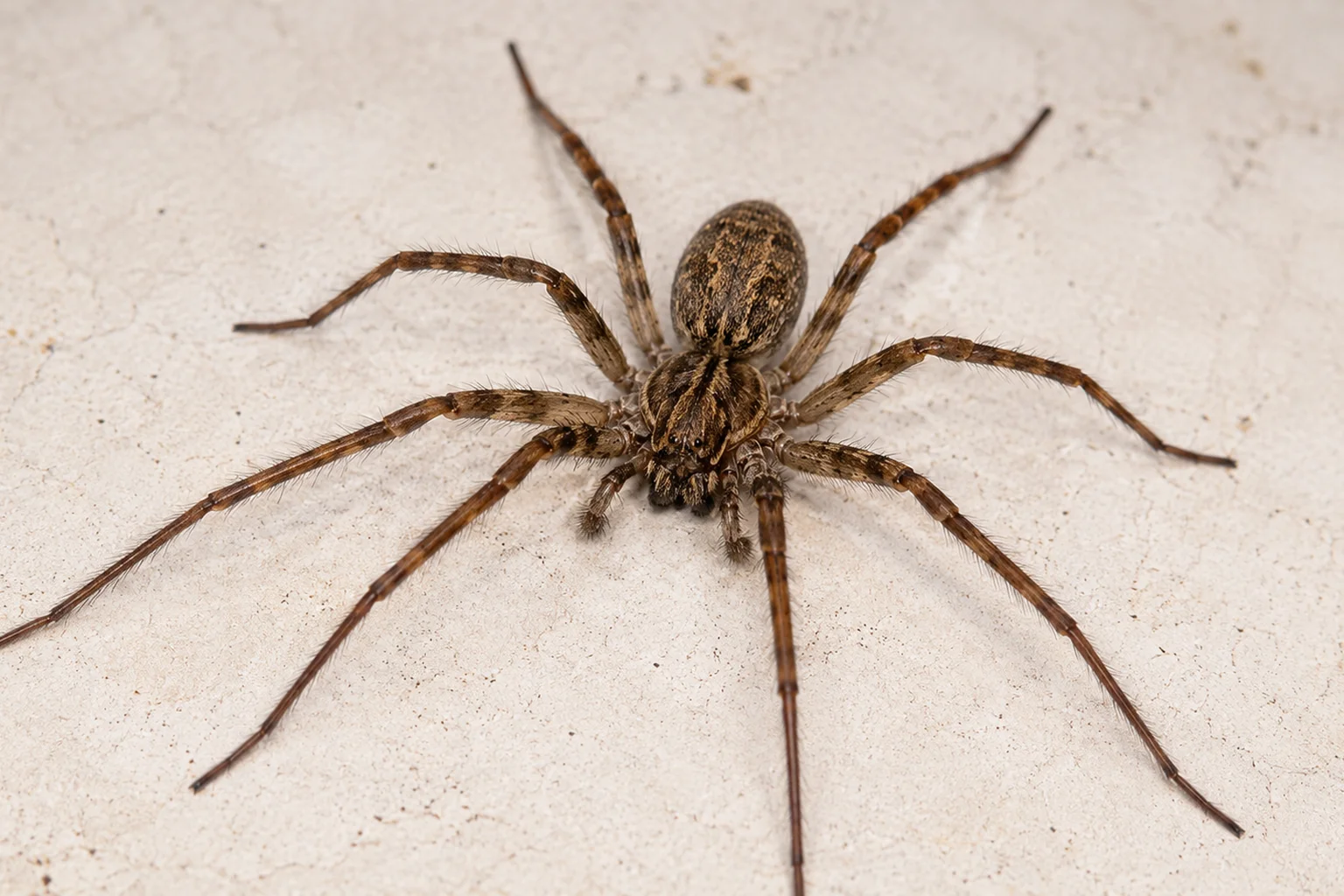
The House Spider is the familiar spider responsible for the cobwebs that gather in corners, ceilings, garages, and storerooms across Dubai homes. It is harmless to people — shy, non-aggressive, and very reluctant to bite, with no medically significant venom — so it poses essentially no danger. Its impact is aesthetic and indicative: unsightly webbing accumulates quickly, and a heavy house-spider presence usually signals plenty of insect prey in the building, meaning there may be underlying pest activity worth addressing. House spiders thrive in quiet, undisturbed areas and reproduce steadily, so webs reappear unless both the spiders and their food source are managed. DIY web-clearing alone gives only temporary results.
Santera's Dubai Municipality-certified technicians control House Spiders by removing webs and egg sacs, treating harbourage, and — importantly — reducing the insect populations that feed them, for lasting results. For villas, offices, and facilities, we incorporate spider control into general pest management aligned with Dubai Municipality standards.
Get to know the physical signs and behavioral patterns associated with this species. Knowledge of these specific traits helps in maintaining a secure and pest-free environment.
Santera provides Pest control and prevention across Dubai, with primary service coverage in:

Santera gets rid of House Spiders in Dubai with a Dubai Municipality-certified process: our technicians inspect to find the harbourage and egg sacs and entry points, apply targeted treatment that eliminates the problem at its source, and put prevention measures in place so it doesn't come back.
You can try, but DIY rarely solves a House Spider problem in Dubai for good. Shop-bought sprays and home remedies tend to deal with what you can see while missing the egg sacs and harbourage that keep the population going, so the problem returns. Lasting control means targeting the source — which is where professional treatment makes the difference.
Because the source survives. House Spiders produce silk egg sacs containing numerous eggs, often hidden within or near the web, and spiderlings disperse to establish new webs. Steady reproduction in undisturbed areas means webs reappear continually unless egg sacs and harbourage are addressed alongside web removal. That's exactly why surface sprays and one-off DIY fail — they hit what's visible while the source keeps producing more, so lasting control has to target the source, not just the symptoms.
Watch for House Spiders themselves and the signs they leave. House Spiders are medium-sized, typically 6–10mm body length with long legs giving a larger overall appearance, and are brown to greyish with faint markings on the body. House Spiders are shy, sedentary, and nocturnal, remaining in or near their webs in undisturbed corners, ceilings, garages, and storage areas. They rarely venture into the open and bite only if handled, with negligible effect. Catching it early, before numbers build, makes treatment far easier.
No — House Spiders are harmless, shy, and very reluctant to bite, with no medically significant venom. They're a cobweb nuisance rather than a threat.
House Spiders feed on insects caught in their webs — flies, mosquitoes, ants, and other small pests. In Dubai, a healthy house-spider population reflects available insect prey indoors, so they are in effect an indicator of other pest activity; reducing insects reduces the spiders' food and presence. Cut off these food, water, and shelter sources and you remove what draws them in — but an established population still needs targeted treatment to clear fully.