24/7 Pest Control in the UAE

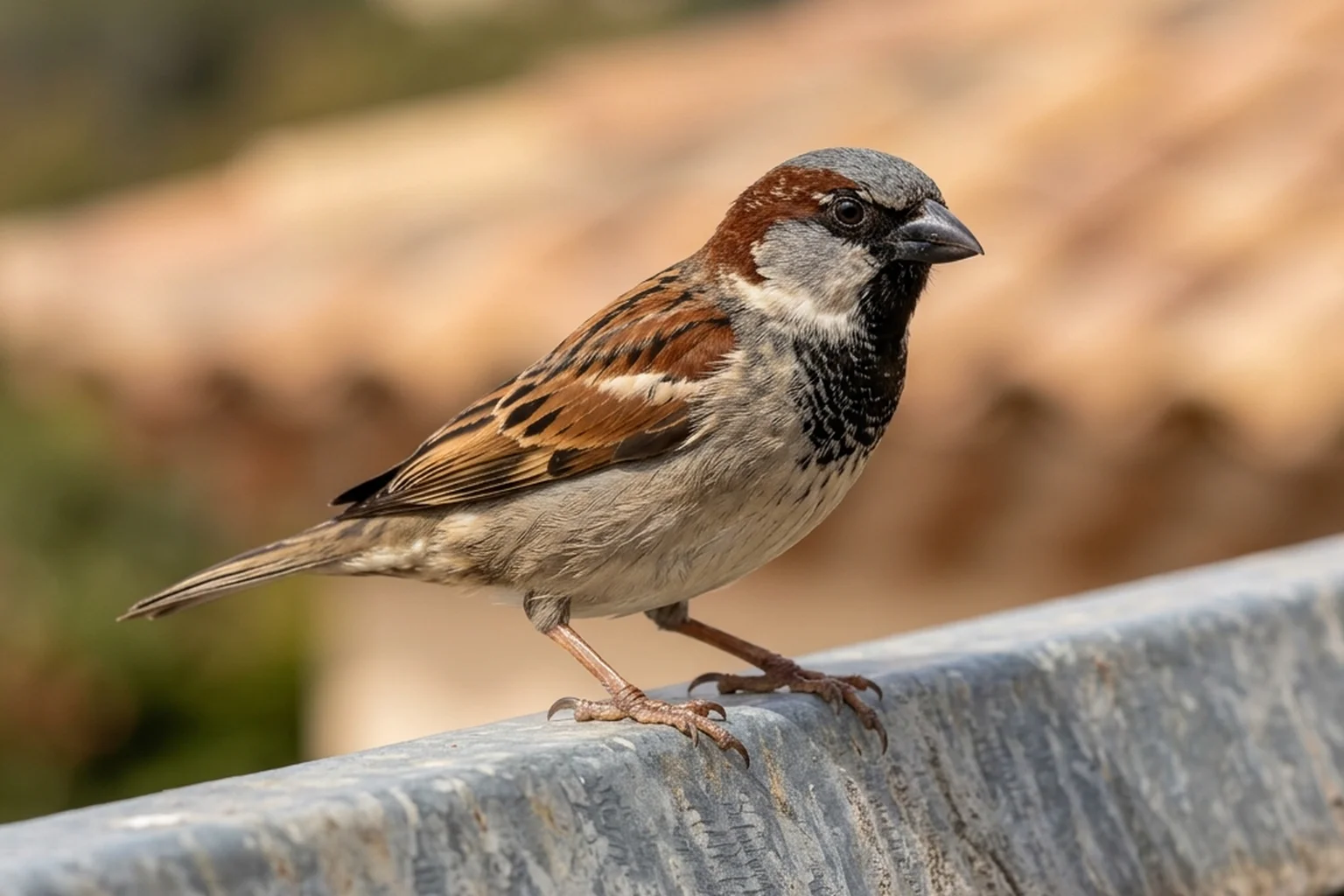
The House Sparrow is small, adaptable, and a surprisingly persistent pest in Dubai's commercial and residential buildings. Its small size lets it exploit gaps and openings other birds can't — squeezing into signage, AC units, roof spaces, vents, and structural cavities to nest. Inside warehouses, supermarkets, garden centres, and food premises, sparrows are a real problem: they foul stored goods and food with droppings, build nests that block ventilation and drainage, and harbour mites and parasites. They breed prolifically and show strong attachment to nesting sites, so a few birds indoors can become an entrenched, contaminating population that threatens hygiene compliance.
Santera's Dubai Municipality-certified technicians manage House Sparrows through proofing and exclusion — netting, screening, and sealing entry points and nesting gaps after safe nest removal — along with cleaning and disinfection. For warehouses, retail, and F&B clients, we design bird-management programmes that protect stock and meet Dubai Municipality hygiene standards.
Get to know the physical signs and behavioral patterns associated with this species. Knowledge of these specific traits helps in maintaining a secure and pest-free environment.
Santera provides Pest control and prevention across Dubai, with primary service coverage in:

Santera gets rid of House Sparrows in Dubai with a Dubai Municipality-certified process: our technicians inspect to find the roosting and nesting sites and entry points, apply targeted treatment that eliminates the problem at its source, and put prevention measures in place so it doesn't come back.
You can try, but DIY rarely solves a House Sparrow problem in Dubai for good. Shop-bought sprays and home remedies tend to deal with what you can see while missing the roosting and nesting sites birds keep returning to, so the problem returns. Lasting control means targeting the source — which is where professional treatment makes the difference.
Because the source survives. House Sparrows breed prolifically, raising several broods a year of around 3–5 eggs in untidy cavity nests. Year-round favourable conditions in Dubai's buildings allow continuous breeding, so populations rebuild quickly unless entry points and nesting gaps are sealed. That's exactly why surface sprays and one-off DIY fail — they hit what's visible while the source keeps producing more, so lasting control has to target the source, not just the symptoms.
Watch for House Sparrows themselves and the signs they leave. House Sparrows are small birds, about 14–16cm long. House Sparrows are gregarious, active by day, and strongly tied to human structures. They nest in small cavities and gaps — signage, AC units, roof spaces, vents, and wall openings — often indoors in large buildings. Catching it early, before numbers build, makes treatment far easier.
Sparrows pose little direct threat to people, but their droppings and nests contaminate stored goods and food, harbour mites, and create hygiene risks in warehouses and food premises.
House Sparrows are omnivorous, feeding mainly on seeds and grains but also insects, scraps, and food waste. In Dubai warehouses, supermarkets, and food premises they readily feed on stored grain, spilled food, and stock, while outdoors they exploit gardens, bins, and outdoor dining areas. This adaptability supports dense urban populations. Cut off these food, water, and shelter sources and you remove what draws them in — but an established population still needs targeted treatment to clear fully.