24/7 Pest Control in the UAE

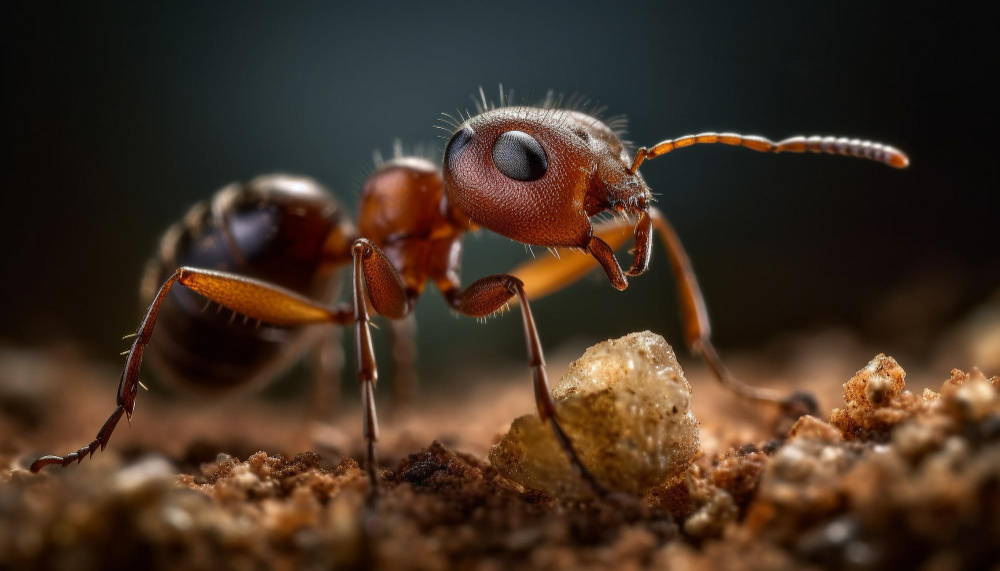
Fire Ants thrive in Dubai's irrigated villa gardens, lawns, and landscaped commercial grounds — building dome-shaped mounds in soil, along walkways, and near water sources. The danger is real: their stings cause painful welts and, for sensitive individuals, serious allergic reactions. The mistake most people make is disturbing the mound with DIY sprays or boiling water. This doesn't kill the queen — it splits the colony, scattering multiple new mounds across your garden. Surface treatment alone never reaches the source.
Santera's Dubai Municipality-certified technicians eliminate Fire Ants at the colony level. We identify every active mound and foraging trail, then apply slow-acting bait that worker ants carry directly to the queen — collapsing the entire colony from within. For severe infestations we use a two-stage protocol: broadcast bait across the affected zone, followed by direct mound treatment. For villas with children and pets, and for F&B and hospitality grounds, all treatments follow strict safety and Dubai Municipality standards.
Get to know the physical signs and behavioral patterns associated with this species. Knowledge of these specific traits helps in maintaining a secure and pest-free environment.
Santera provides Pest control and prevention across Dubai, with primary service coverage in:

Santera gets rid of Fire Antses in Dubai with a Dubai Municipality-certified process: our technicians inspect to find the colony and entry points, apply targeted treatment that eliminates the problem at its source, and put prevention measures in place so it doesn't come back. For restaurants, hotels, and food businesses, all work follows HACCP protocols and Dubai Municipality standards.
You can try, but DIY rarely solves a Fire Ants problem in Dubai for good. Shop-bought sprays and home remedies tend to deal with what you can see while missing the colony hidden underground or in wall voids, so the problem returns. Lasting control means targeting the source — which is where professional treatment makes the difference.
Because the source survives. A Fire Ant colony is built around one or more egg-laying queens that can live for years and produce thousands of eggs. New colonies form through nuptial flights, when winged males and females mate in the air and newly fertilised queens land to start fresh nests. That's exactly why surface sprays and one-off DIY fail — they hit what's visible while the source keeps producing more, so lasting control has to target the source, not just the symptoms.
Watch for Fire Antses themselves and the signs they leave. Fire Ants are small to medium, measuring 2–6mm, with workers of varying sizes within the same colony. Fire Ants build characteristic dome-shaped soil mounds in sunny, open areas — lawns, garden edges, and beside paving and irrigation lines. They are highly defensive: disturbing a mound triggers a coordinated mass attack, with workers gripping skin and stinging repeatedly. Catching it early, before numbers build, makes treatment far easier.
Yes — Fire Ants sting, in swarming defensive attacks that deliver multiple painful stings, burning welts, and in some people severe allergic reactions.
Fire Ants are aggressive omnivores. They feed on proteins, oils, and sugars — including dead insects, seeds, and honeydew from aphids they protect on garden plants. Around Dubai homes and restaurants they are strongly drawn to greasy food residue, sweet spills, and pet food left outdoors. This broad diet lets colonies grow rapidly wherever food and irrigation are available. Cut off these food, water, and shelter sources and you remove what draws them in — but an established population still needs targeted treatment to clear fully.