How Do I Get Rid of Pest in Dubai?

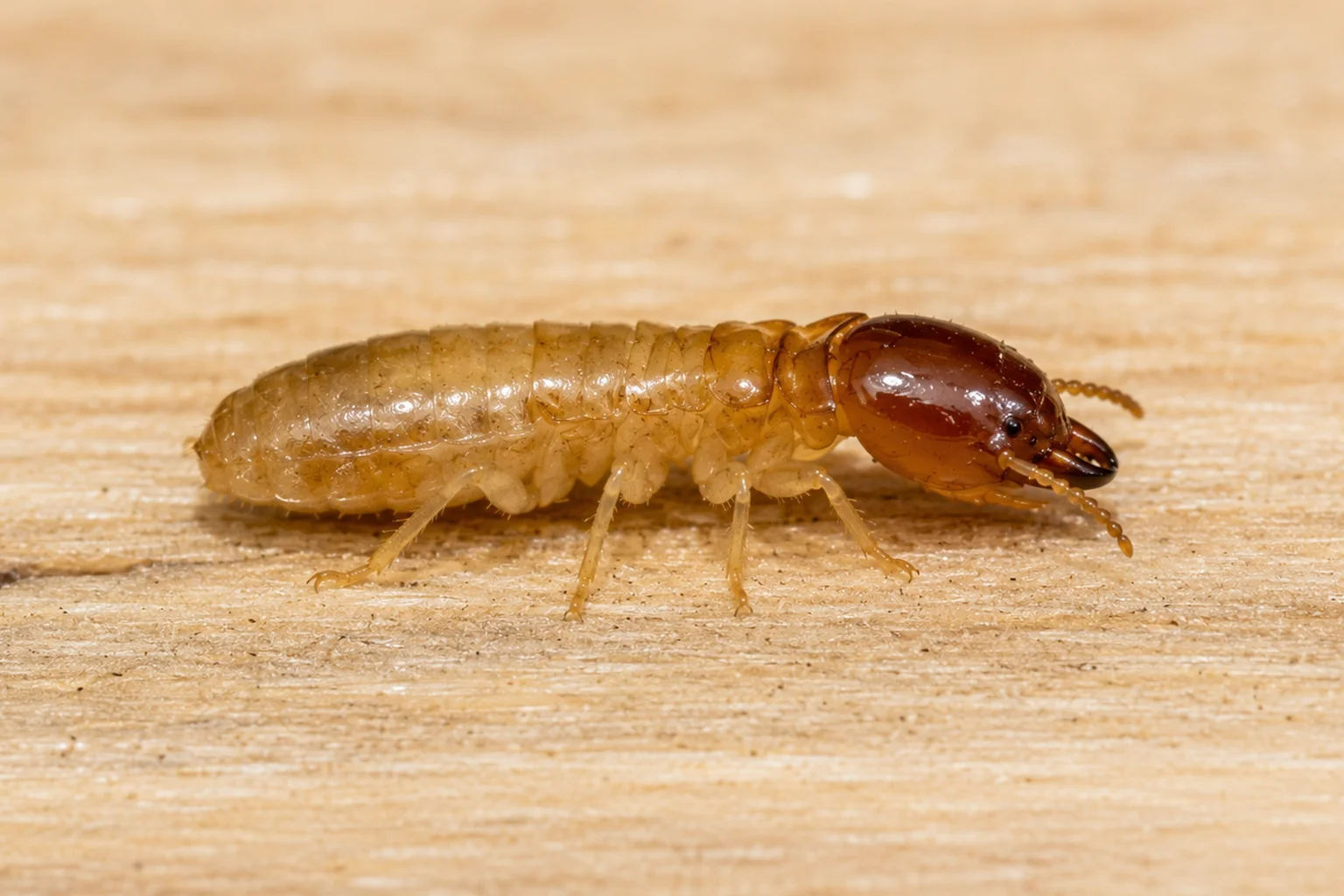
The Drywood Termite is different from Dubai's soil-dwelling termites: it lives entirely within dry, sound wood and needs no contact with the ground. This means it can infest furniture, door and window frames, roof timbers, skirting, and wooden fittings anywhere in a building — including upper floors and apartments that subterranean termites can't reach. It spreads when winged swarmers fly to new timber and bore in to start fresh colonies. The classic warning sign is small piles of distinctive pellet-shaped droppings (frass) beneath infested wood. Treating one visible spot misses the hidden galleries throughout the timber.

Santera's Dubai Municipality-certified technicians treat Drywood Termites with targeted timber injection, localised treatment, and where needed fumigation for severe or widespread infestations, eliminating colonies inside the wood. We inspect all timber, identify entry and frass points, and advise on protecting valuable woodwork. For villas, hotels, and properties with significant timber and furniture, we tailor treatment to the extent of the infestation in line with Dubai Municipality standards.

Book Your Free Inspection

Species Insights & Biology

Get to know the physical signs and behavioral patterns associated with this species. Knowledge of these specific traits helps in maintaining a secure and pest-free environment.

Appearance

Drywood Termites are small, pale to light-brown, soft-bodied insects in a caste system. Soldiers have dark, heavily armoured heads with strong mandibles used to block galleries; winged reproductives (alates) are darker and swarm to start colonies. A key sign of their presence is six-sided, pellet-shaped frass (droppings) pushed out of small kick-holes in infested wood.

Diet

Drywood Termites feed exclusively on dry, seasoned wood and cellulose, including structural timber, furniture, door and window frames, and wooden fittings. They extract moisture from the wood itself, so they need no external water source — allowing them to infest dry indoor timber throughout Dubai homes and businesses.

Behavior

Drywood Termites live entirely inside the timber they eat, excavating smooth galleries and never needing soil contact. They are cryptic and slow to reveal themselves, with frass piles, tiny kick-holes, and occasional swarmers being the main signs. Swarmers fly to new wood and bore in directly, allowing infestations to start in furniture and upper-floor timber.

Reproduction

Colonies are smaller and slower-growing than subterranean termites but can persist for years inside a single timber item or structure. Winged reproductives swarm to colonise new wood, founding multiple independent colonies. Several small colonies can exist within the same building, which is why thorough inspection matters.

Prevention Tips

Inspect timber, furniture, and door frames for frass piles and tiny holes, especially after swarming periods. Use treated or sealed wood for fittings and furniture where possible, and seal cracks and joints in timber. Inspect second-hand wooden furniture before bringing it in, as it commonly carries infestations. For valuable woodwork or suspected activity, arrange a Santera timber inspection — early localised treatment avoids the need for whole-structure fumigation later.

Where We Treat Pest in Dubai

Santera provides Pest control and prevention across Dubai, with primary service coverage in:

place
Al Nahda
place
Al Qusais
place
Nad Al Sheba
place
Al Rashidiya
place
Al Warqa
place
Al Jaddaf
place
Al Satwa
place
Oud Metha
place
Al Karama
place
Bur Dubai
place
Deira
place
Al Sufouh
place
Umm Suqeim
place
Jumeirah
place
Victory Heights
place
Motor City
place
Mirdif
place
Meadows
place
Springs
place
JVT
place
Warehouse Gym
place
Embody
place
F45
place
Barry's
place
GymNation
place
Fitness First
place
DIP
place
Dubai Production City
place
Aster Clinics
place
Mediclor
place
American Hospital
place
Mediclinic
place
Dubai Healthcare City
place
Dubai College
place
Repton
place
Dubai British School
place
GEMS Schools
place
Dubai American Academy
place
Mercato
place
BoxPark
Drywood Termite

Common Questions & Expert Answers

Book Your Free Inspection
How does Santera get rid of Drywood Termites in Dubai?

Santera gets rid of Drywood Termites in Dubai with a Dubai Municipality-certified process: our technicians inspect to find the colony and entry points, apply targeted treatment that eliminates the problem at its source, and put prevention measures in place so it doesn't come back.

Can I get rid of Drywood Termites myself, or do I need professional pest control?

You can try, but DIY rarely solves a Drywood Termite problem in Dubai for good. Shop-bought sprays and home remedies tend to deal with what you can see while missing the colony hidden in the soil or inside the timber, so the problem returns. Lasting control means targeting the source — which is where professional treatment makes the difference.

Why do Drywood Termites keep coming back after I treat them?

Because the source survives. Colonies are smaller and slower-growing than subterranean termites but can persist for years inside a single timber item or structure. Winged reproductives swarm to colonise new wood, founding multiple independent colonies. That's exactly why surface sprays and one-off DIY fail — they hit what's visible while the source keeps producing more, so lasting control has to target the source, not just the symptoms.

How do I know if I have a Drywood Termite problem in Dubai?

Watch for Drywood Termites themselves and the signs they leave. Drywood Termites are small, pale to light-brown, soft-bodied insects in a caste system. Drywood Termites live entirely inside the timber they eat, excavating smooth galleries and never needing soil contact. They are cryptic and slow to reveal themselves, with frass piles, tiny kick-holes, and occasional swarmers being the main signs. Catching it early, before numbers build, makes treatment far easier.

Are Drywood Termites dangerous?

Drywood Termites don't bite or harm people, but they destroy timber and furniture from within, causing costly structural and property damage that often goes unnoticed until it's advanced.

What attracts Drywood Termites to homes and businesses in Dubai?

Drywood Termites feed exclusively on dry, seasoned wood and cellulose, including structural timber, furniture, door and window frames, and wooden fittings. They extract moisture from the wood itself, so they need no external water source — allowing them to infest dry indoor timber throughout Dubai homes and businesses. Cut off these food, water, and shelter sources and you remove what draws them in — but an established population still needs targeted treatment to clear fully.

Experience Guaranteed Results and Satisfied Pest Treatment Services

20+

Years Experience

All

Across UAE

10k+

Treatments

Select a Service

What pest problem can we help you with?

Property Details

Tell us about your property

Choose Date & Time

When would you like us to visit?

Contact Information

How can we reach you?

Expert Help is on the Way!

We’ve received your request. Santera is ready to protect your home/business—talk to you soon!
Oops! Something went wrong while submitting the form.