24/7 Pest Control in the UAE

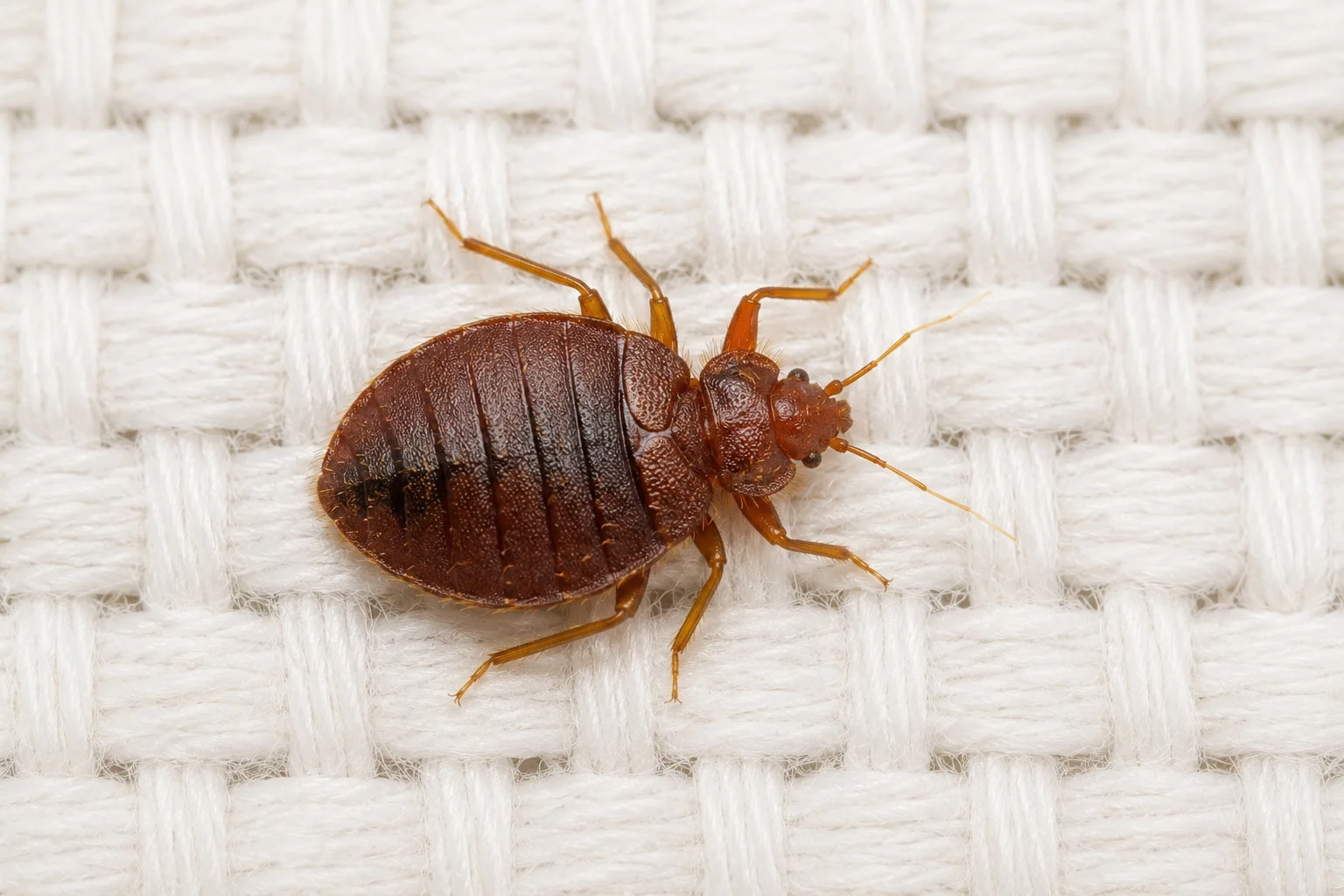
Bed bugs are one of the hardest pests to eliminate in Dubai, and one of the most distressing. They hide in the tiniest cracks — mattress seams, bed frames, headboards, skirting, and furniture joints — emerging at night to feed on sleeping people. In Dubai's apartment towers and hotels, they spread between units through wall voids, shared furniture, and luggage, which is why a single introduction can become a building-wide problem. They're notoriously resistant: over-the-counter sprays kill a few surface bugs but miss the hidden eggs and harbourage, and scattering them often spreads the infestation to neighbouring rooms.
Santera's Dubai Municipality-certified technicians treat bed bugs with a thorough inspection followed by a combined heat and targeted residual programme that reaches eggs, nymphs, and adults in every harbourage point. We treat the room as a whole and advise on preparation and follow-up to confirm elimination. For hotels, holiday homes, and apartment buildings, we coordinate discreet treatment across affected and adjacent units in line with Dubai Municipality standards.
Get to know the physical signs and behavioral patterns associated with this species. Knowledge of these specific traits helps in maintaining a secure and pest-free environment.
Santera provides Pest control and prevention across Dubai, with primary service coverage in:

Santera gets rid of Common Bed Bugs in Dubai with a Dubai Municipality-certified process: our technicians inspect to find the every harbourage point, including eggs and entry points, apply targeted treatment that eliminates the problem at its source, and put prevention measures in place so it doesn't come back. For restaurants, hotels, and food businesses, all work follows HACCP protocols and Dubai Municipality standards.
You can try, but DIY rarely solves a Common Bed Bug problem in Dubai for good. Shop-bought sprays and home remedies tend to deal with what you can see while missing the eggs and bugs hidden in seams, frames, and cracks, so the problem returns. Lasting control means targeting the source — which is where professional treatment makes the difference.
Because the source survives. Each female lays 200–500 eggs over her lifetime, cementing them in cracks and crevices. Eggs hatch in about 1–2 weeks and nymphs mature quickly in Dubai's warm indoor temperatures, allowing populations to grow fast and reinfest if any eggs survive treatment. That's exactly why surface sprays and one-off DIY fail — they hit what's visible while the source keeps producing more, so lasting control has to target the source, not just the symptoms.
Watch for Common Bed Bugs themselves and the signs they leave. Common Bed Bugs are small, flat, oval insects about 4–7mm long — roughly the size of an apple seed. Bed bugs are nocturnal and hide during the day in tight cracks close to where people sleep — mattress seams, bed frames, headboards, skirting, and nearby furniture. They leave tell-tale signs: tiny dark faecal spots, shed skins, and blood smears on bedding. Catching it early, before numbers build, makes treatment far easier.
Yes — bed bugs bite, feeding on blood at night and leaving itchy welts. They aren't known to transmit disease, but bites can cause allergic reactions, secondary infection from scratching, and serious sleep loss and distress.
Bed bugs feed exclusively on blood, preferring human hosts. They feed at night while people sleep, drawn by body heat and exhaled carbon dioxide. They can survive months without feeding, which is why vacant Dubai apartments and hotel rooms can still harbour live bugs ready to feed when a new occupant arrives. Cut off these food, water, and shelter sources and you remove what draws them in — but an established population still needs targeted treatment to clear fully.