24/7 Pest Control in the UAE

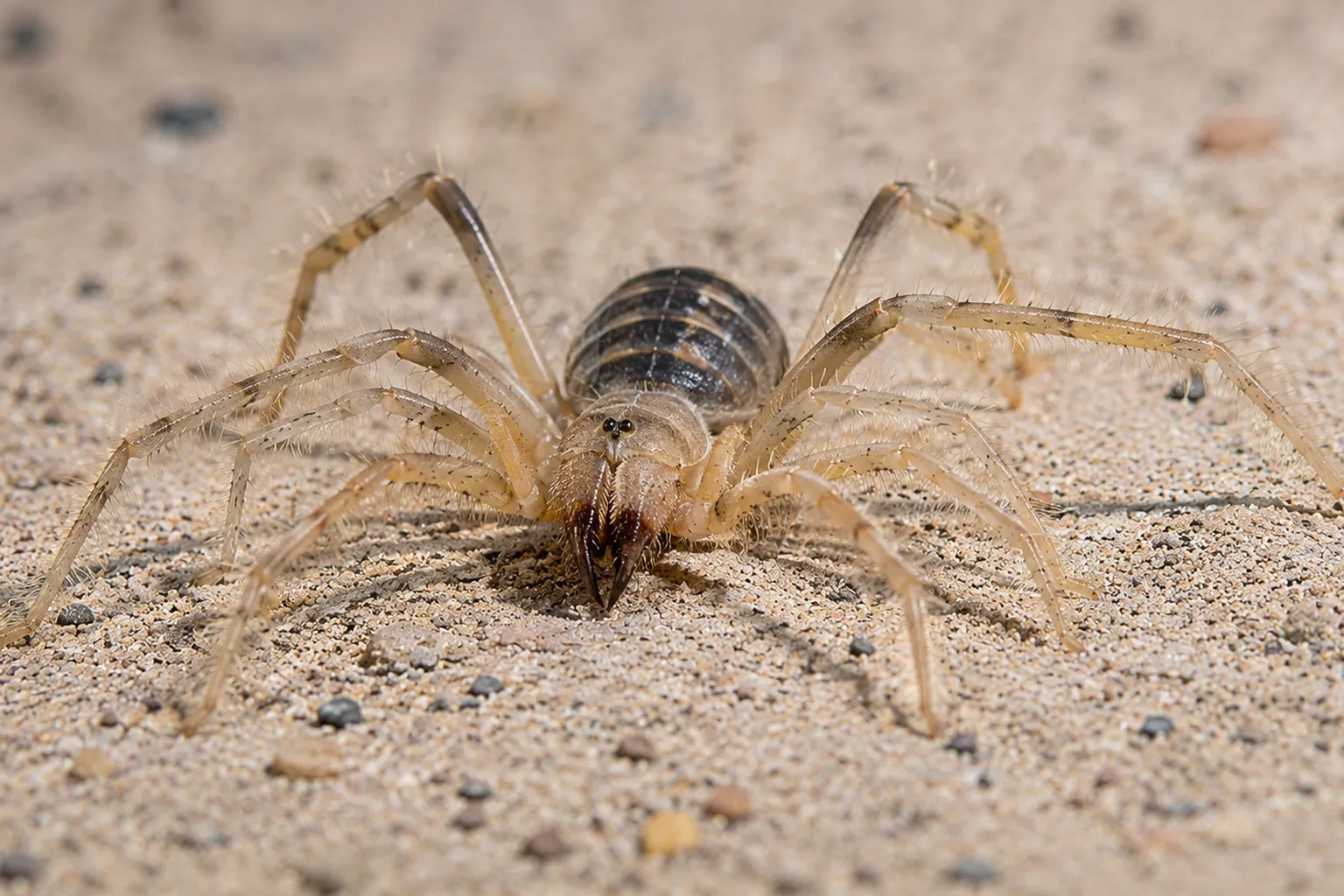
The Camel Spider is one of the most feared yet most misunderstood creatures in the Dubai desert. Despite alarming myths, it is not venomous, does not chase people, and is nowhere near as dangerous as legend claims. It is, however, large, extremely fast, and intimidating in appearance, with oversized jaws (chelicerae) that can deliver a genuinely painful bite if the animal is handled or trapped against skin — though there is no venom involved. Camel spiders are nocturnal hunters that enter villas, garages, and compounds, especially in desert-edge areas, while pursuing insect prey or following the insects drawn to outdoor lighting. The main impact is fear and the occasional painful bite from mishandling, rather than any medical threat.
Santera's Dubai Municipality-certified technicians manage Camel Spiders through inspection, removal, harbourage and entry-point reduction, and control of the insect prey that attracts them, with accurate guidance to dispel the myths and reassure occupants. For desert-edge villas and compounds, we provide calm, expert response in line with Dubai Municipality standards.
Get to know the physical signs and behavioral patterns associated with this species. Knowledge of these specific traits helps in maintaining a secure and pest-free environment.
Santera provides Pest control and prevention across Dubai, with primary service coverage in:

Santera gets rid of Camel Spiders in Dubai with a Dubai Municipality-certified process: our technicians inspect to find the harbourage and egg sacs and entry points, apply targeted treatment that eliminates the problem at its source, and put prevention measures in place so it doesn't come back.
You can try, but DIY rarely solves a Camel Spider problem in Dubai for good. Shop-bought sprays and home remedies tend to deal with what you can see while missing the egg sacs and harbourage that keep the population going, so the problem returns. Lasting control means targeting the source — which is where professional treatment makes the difference.
Because the source survives. Camel Spiders lay eggs in burrows dug in sandy soil, with females guarding the clutch until the young emerge. They are solitary and not colony-forming, so encounters are usually individual animals rather than infestations, though desert-edge properties may see them repeatedly during warmer months. That's exactly why surface sprays and one-off DIY fail — they hit what's visible while the source keeps producing more, so lasting control has to target the source, not just the symptoms.
Watch for Camel Spiders themselves and the signs they leave. Camel Spiders are large arachnids (not true spiders), often with a body of 5–7cm and a leg span that appears much larger, sandy-brown to tan in colour. Camel Spiders are nocturnal, fast-moving hunters that actively chase prey rather than building webs. They are often seen darting toward shaded areas or, misleadingly, toward the shadow of a person — the origin of the myth that they chase people. Catching it early, before numbers build, makes treatment far easier.
No — despite the myths, Camel Spiders are not venomous and don't chase people. They can give a painful bite with their large jaws if handled, but there's no venom and no real danger.
Camel Spiders are voracious predators feeding on insects and other small invertebrates — beetles, cockroaches, spiders, and similar prey — which they crush with their powerful jaws. In Dubai they are drawn to areas with abundant insects, particularly around outdoor lighting at night, so insect control reduces their reason to approach buildings. Cut off these food, water, and shelter sources and you remove what draws them in — but an established population still needs targeted treatment to clear fully.